
Overview
Pricing is often the final decision point. A well-designed pricing page removes friction, answers objections, and makes it easy for prospects to choose the right plan.
Pricing pages are decision aids. They should make comparison easy and remove uncertainty about what's included.
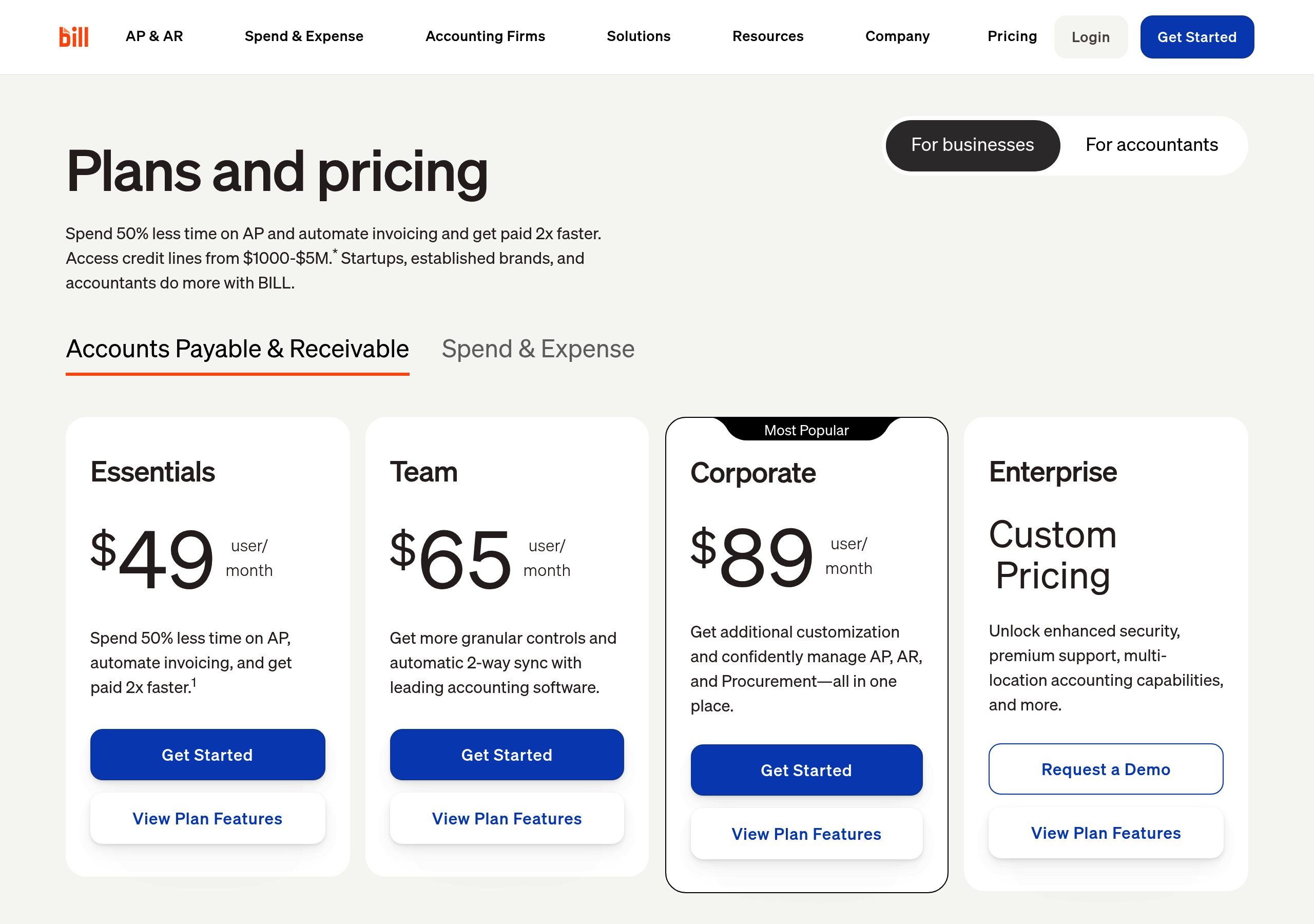
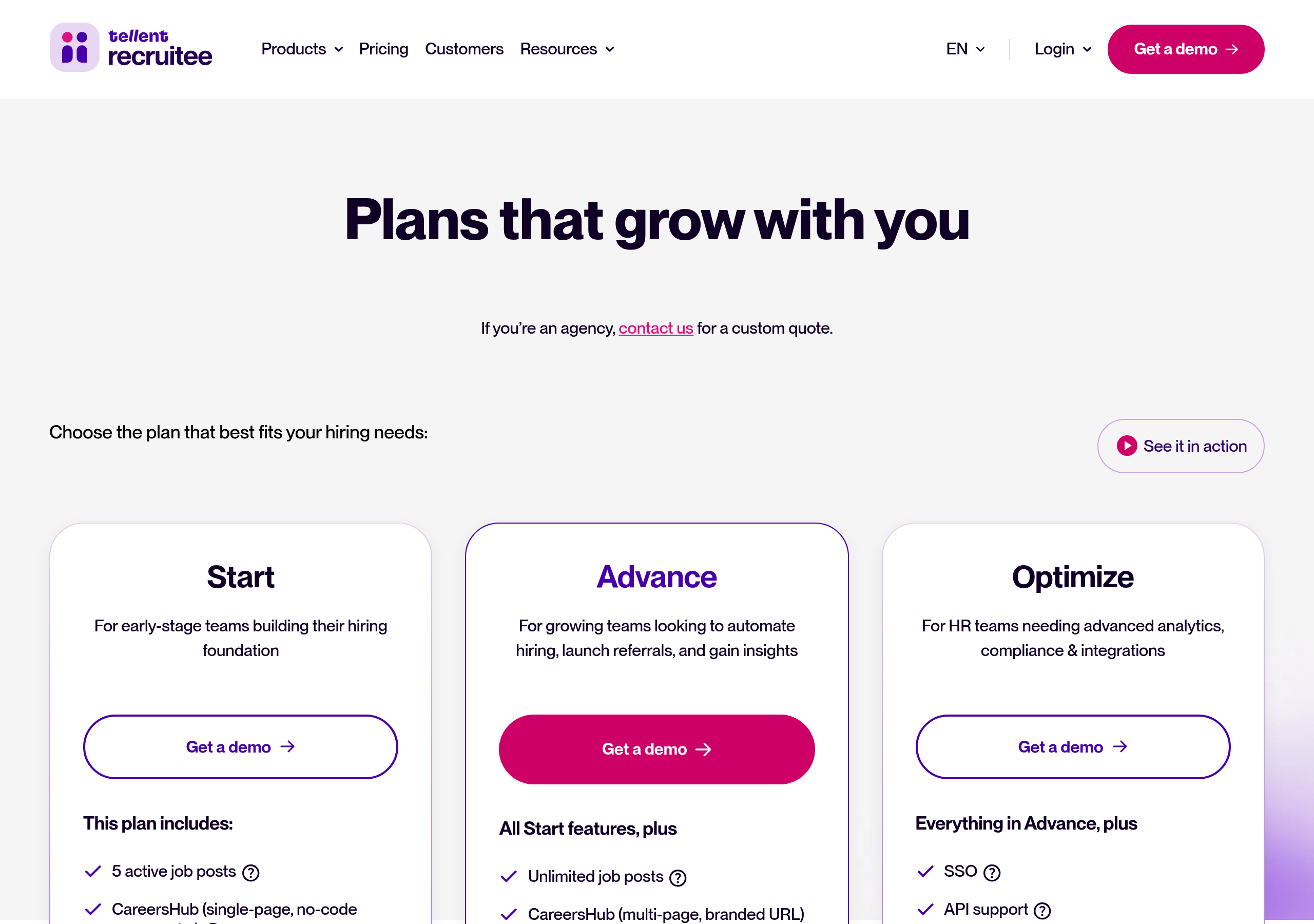
Effective pricing pages anchor around who plans are for, not just what they include. "For startups" is clearer than "Starter plan".
Transparency builds trust. Be clear about limits, overages, and what happens if users exceed their plan.
The pricing page is also a sales tool. Include FAQs, comparison tables, and clear CTAs to move prospects forward.
Best practices
Actionable guidelines to implement this component effectively.
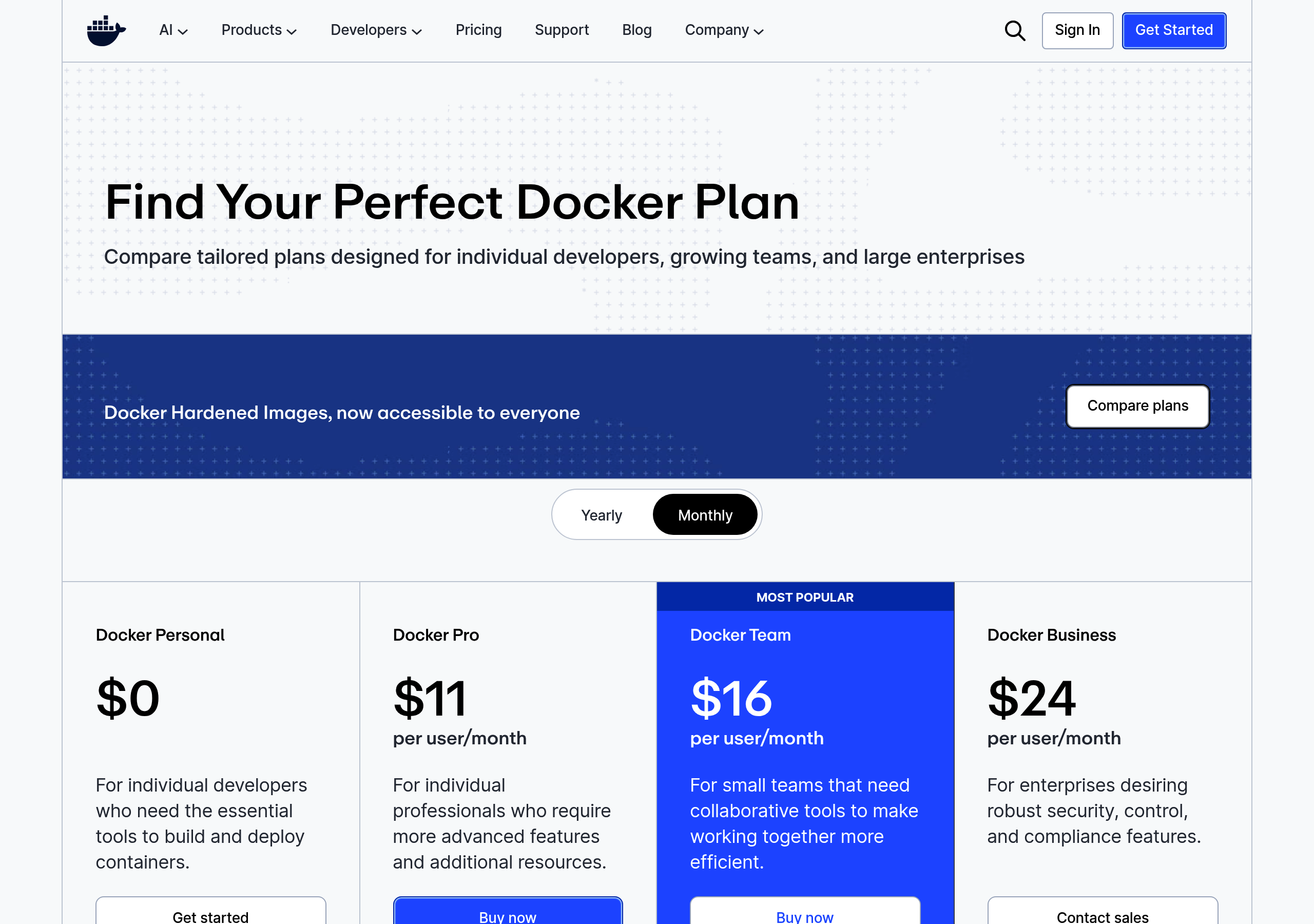
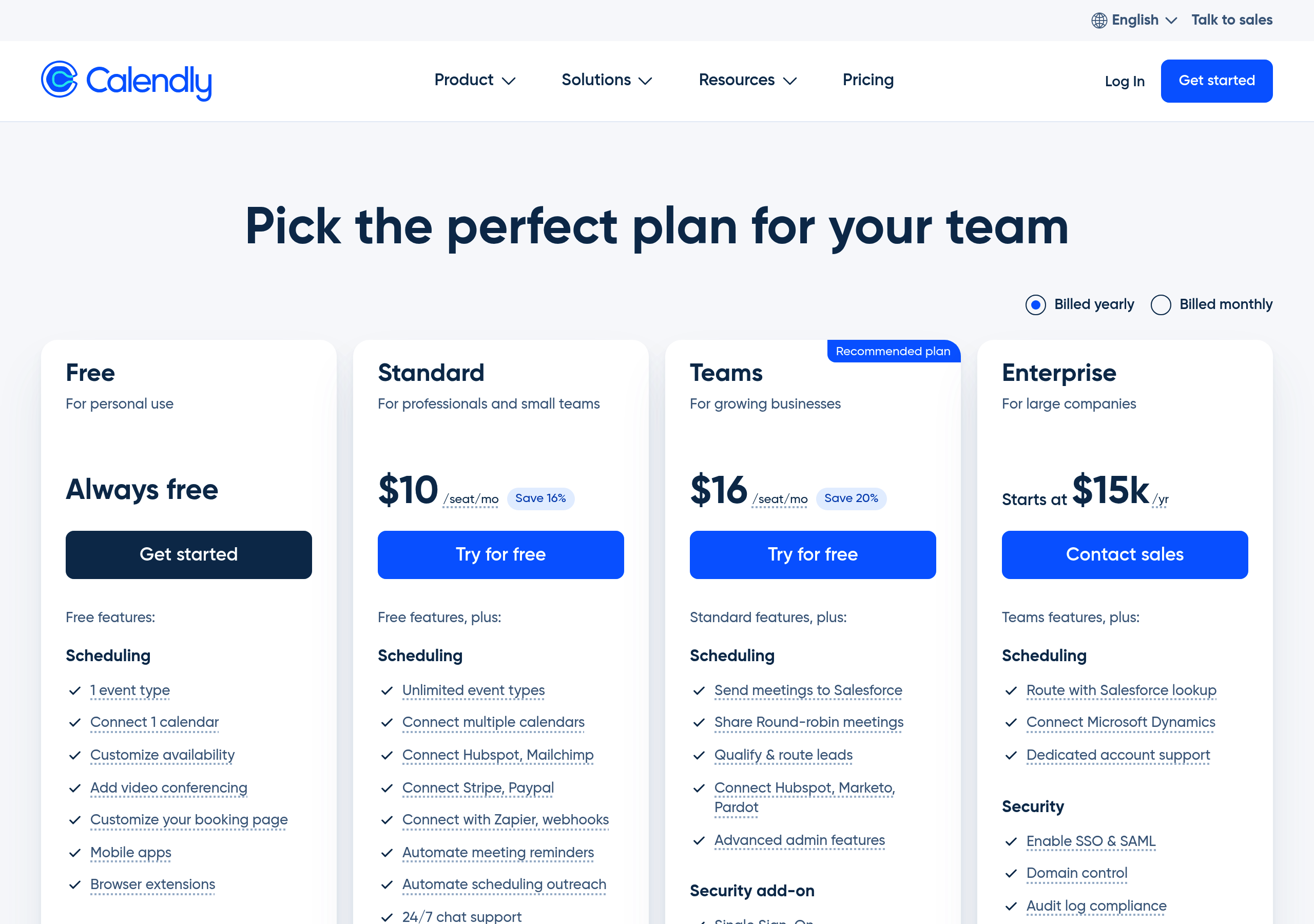
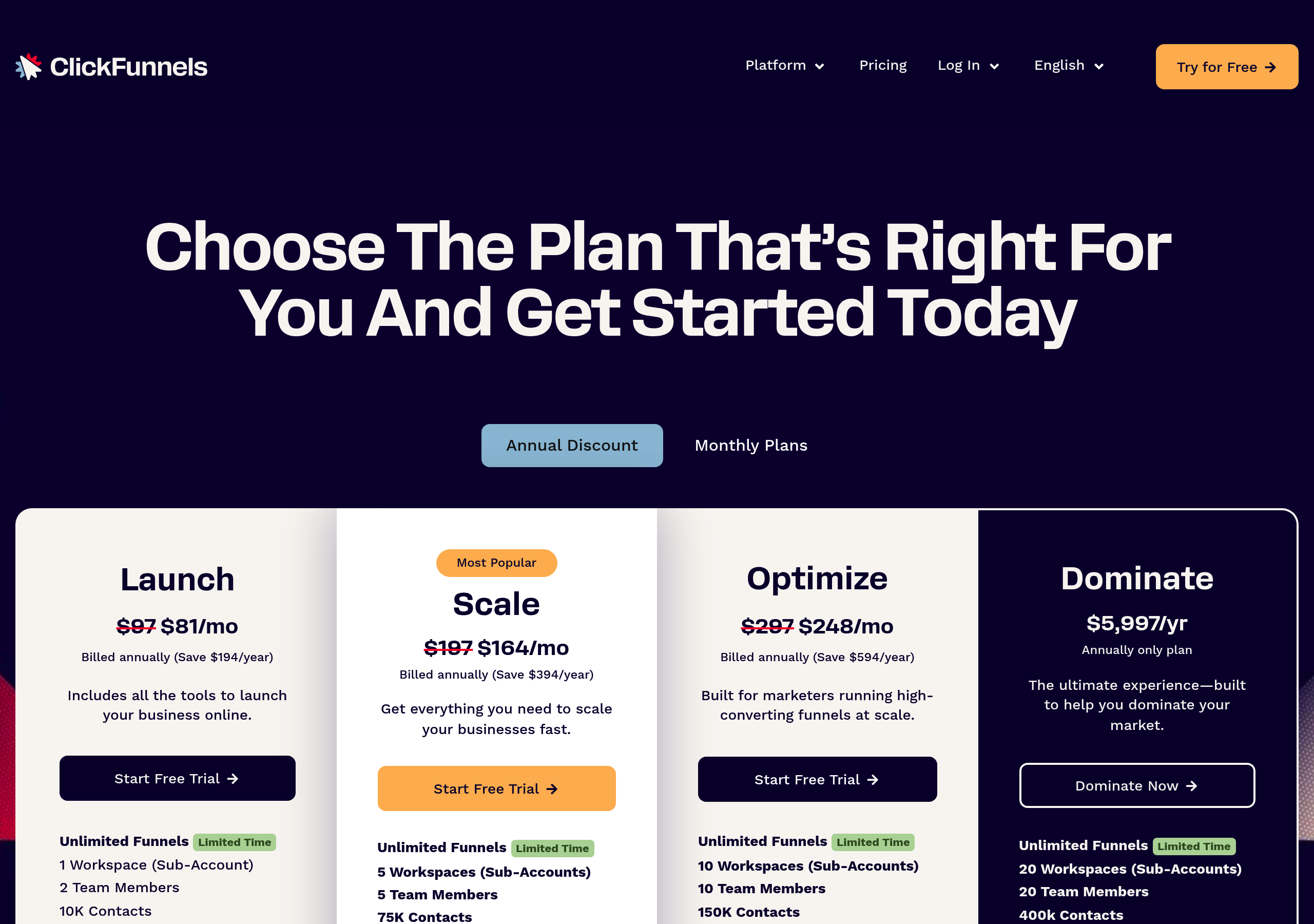
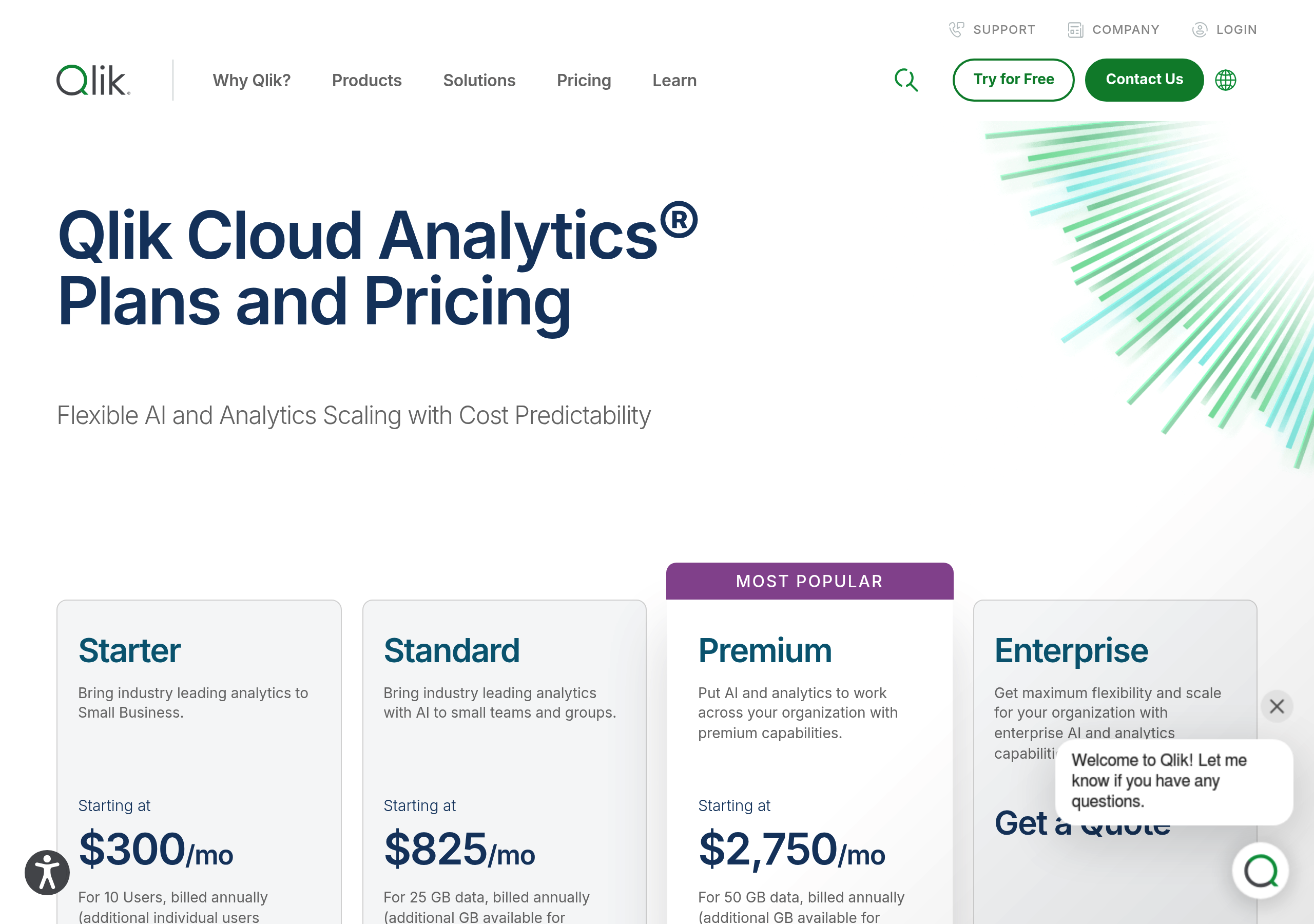
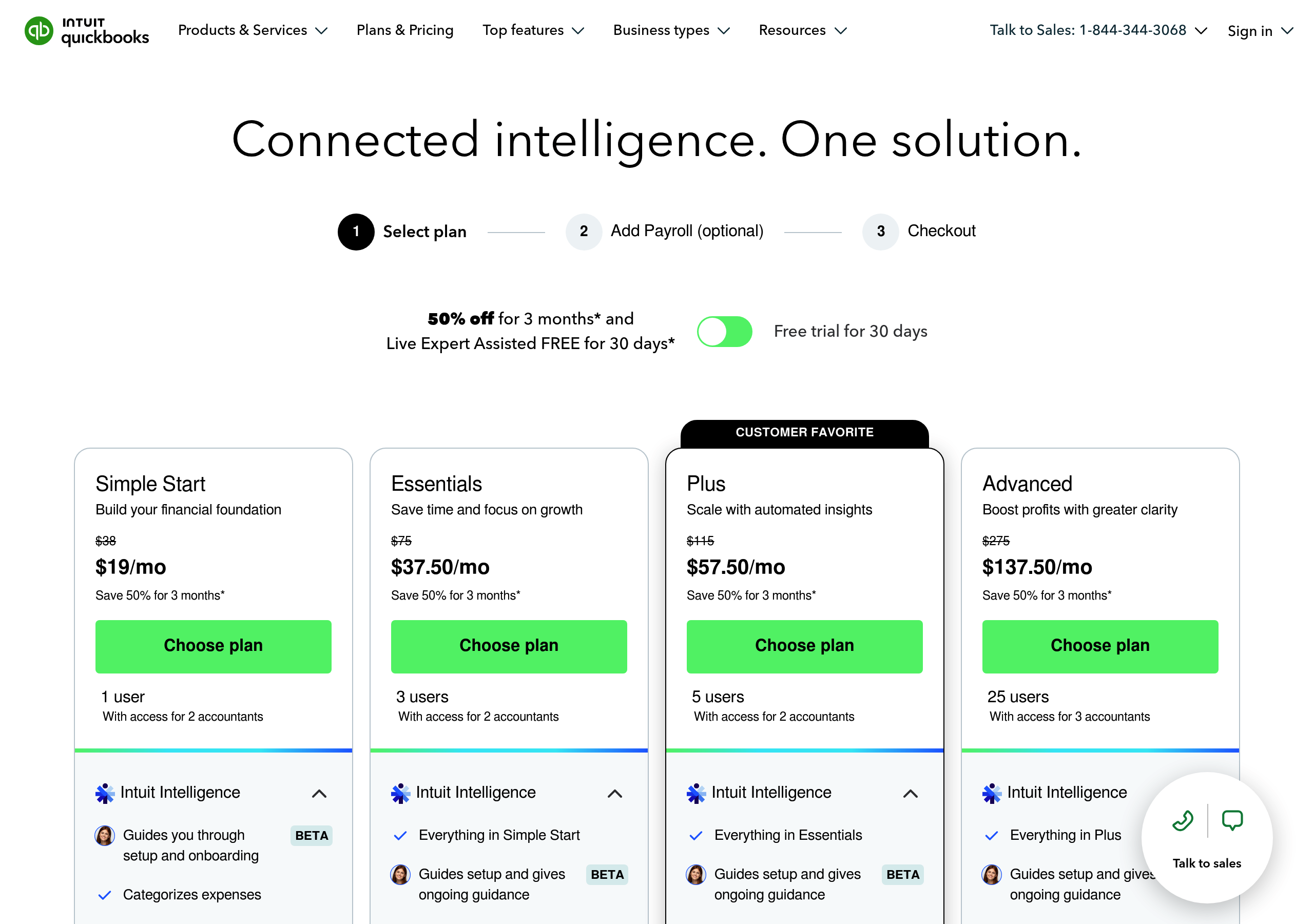
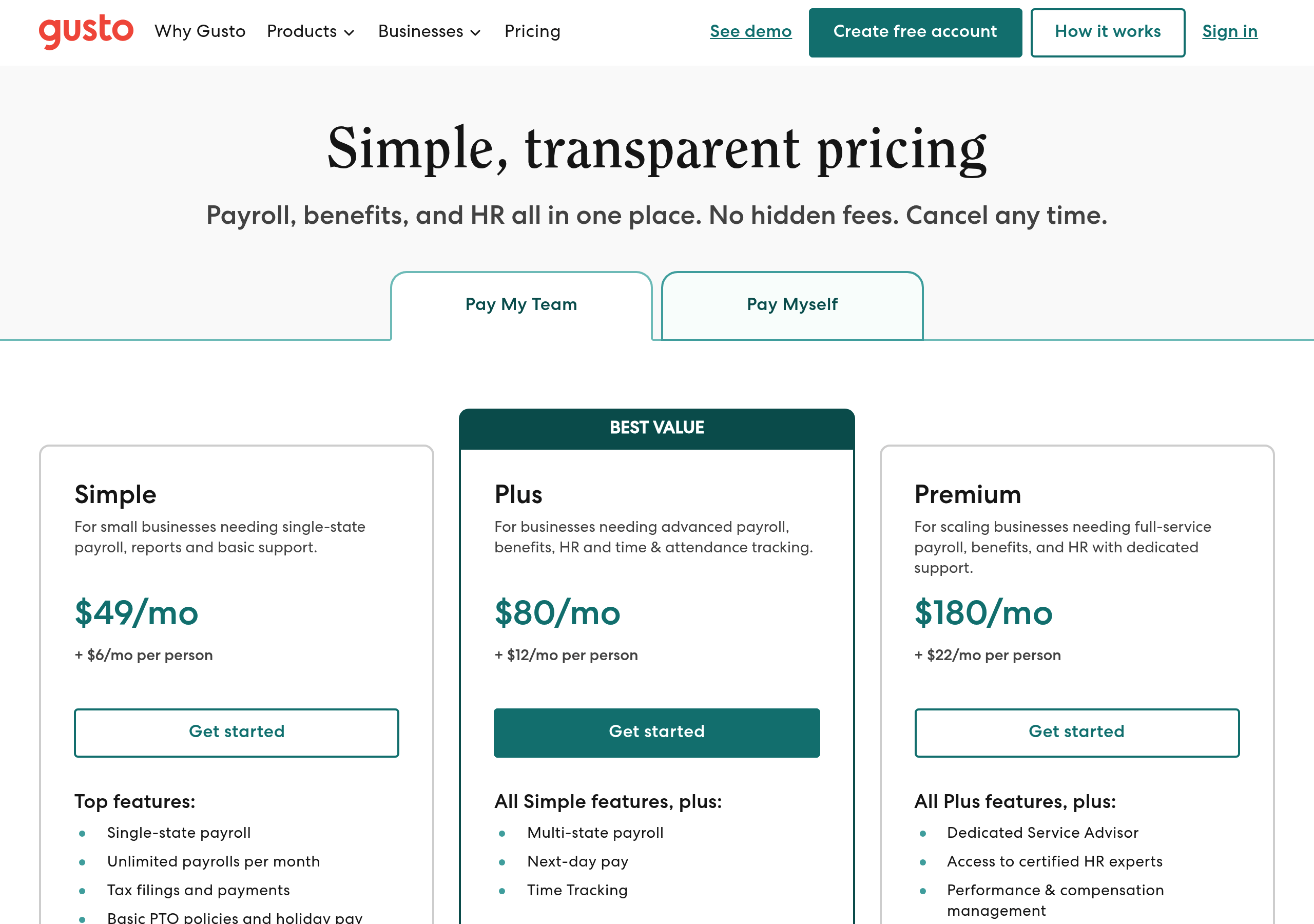
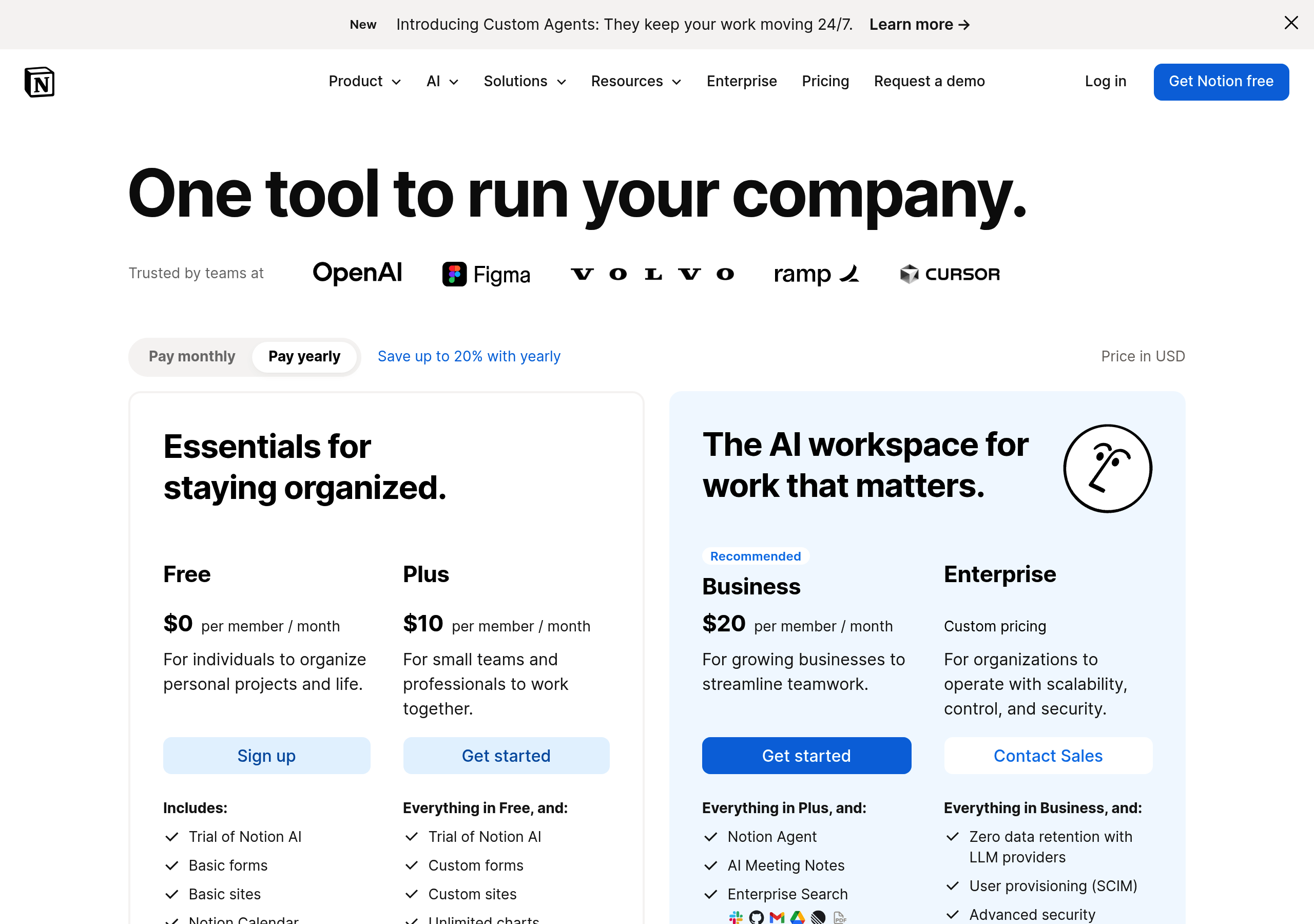
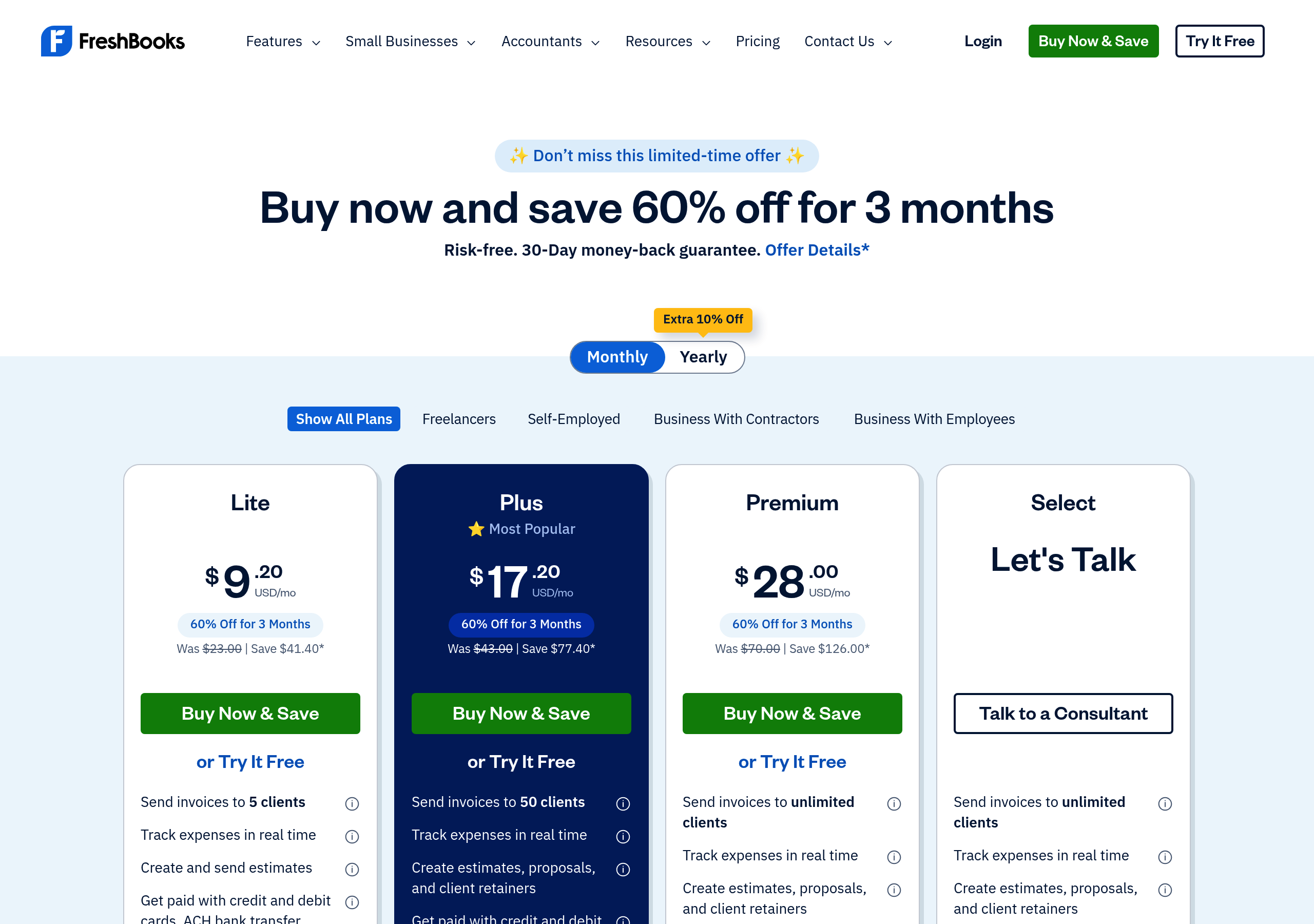
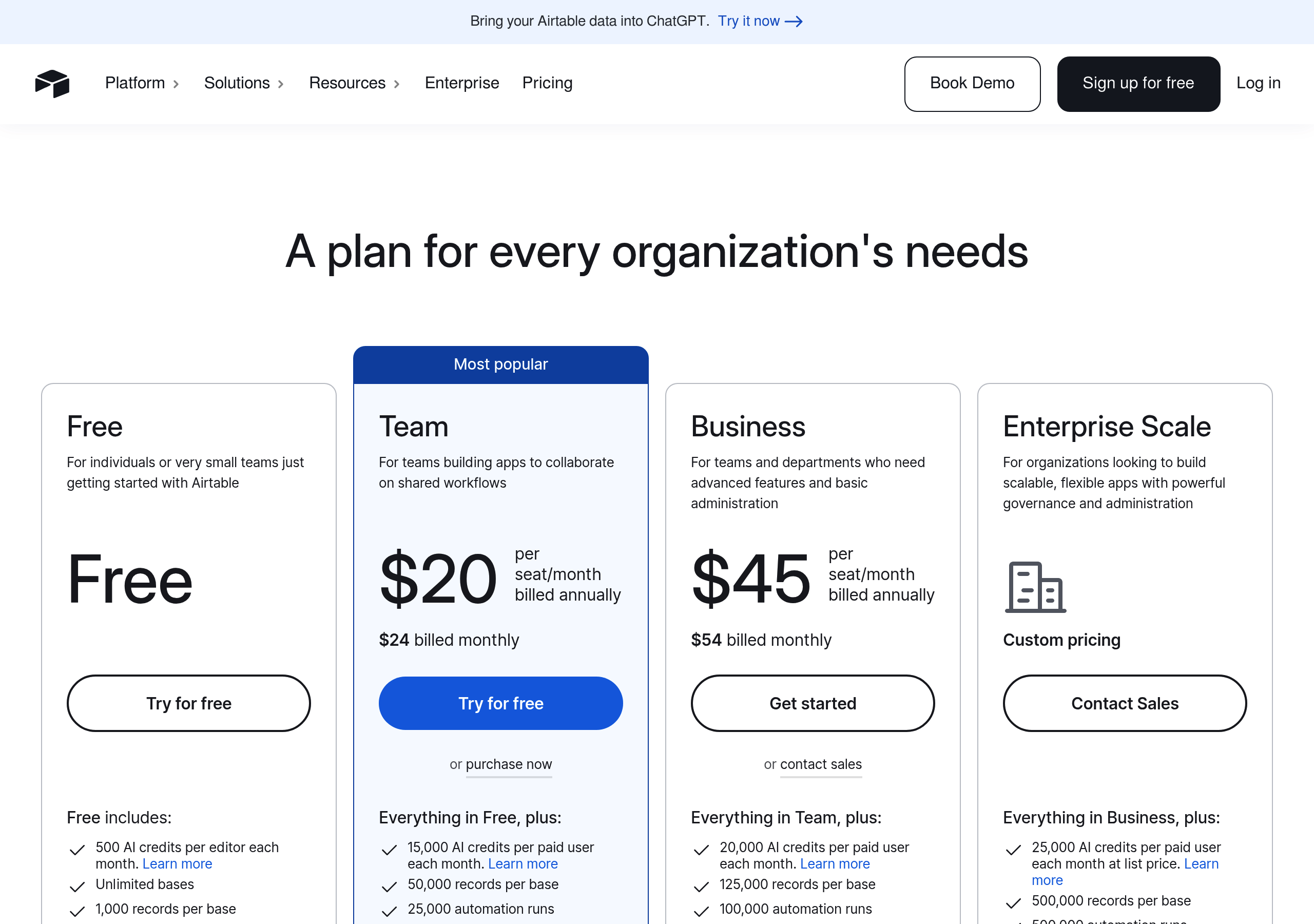
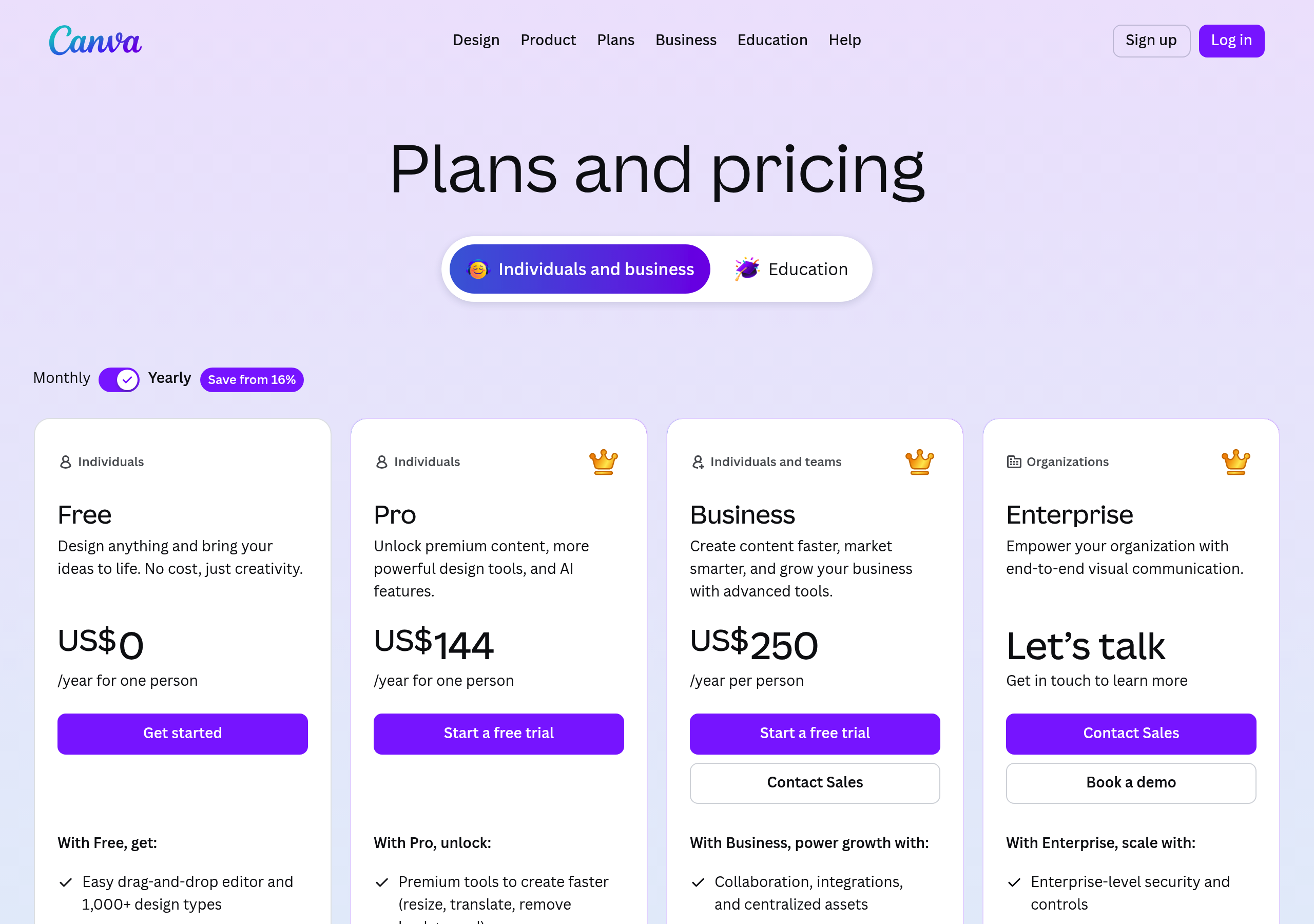
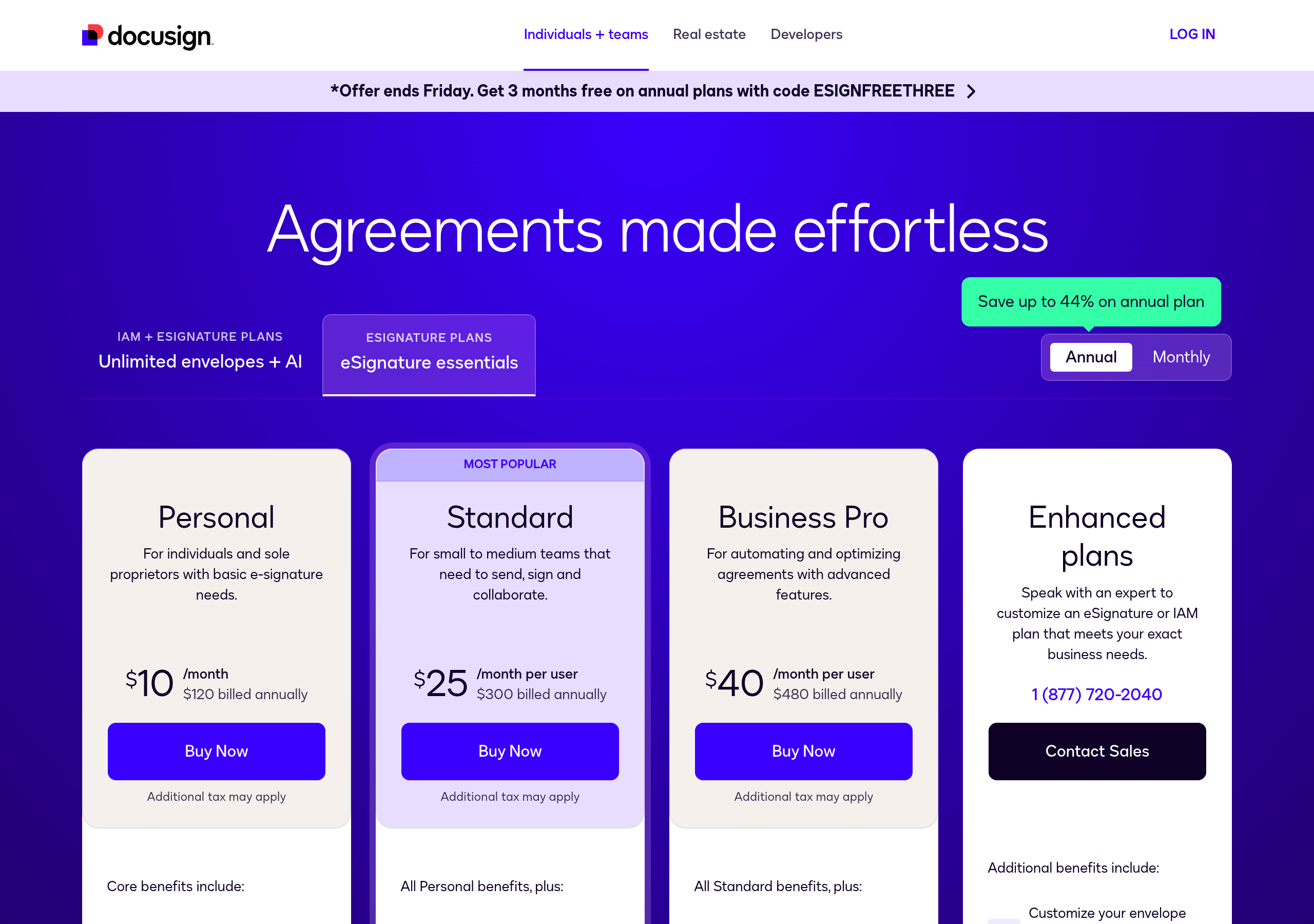
- Anchor plans around who they're for; highlight the recommended plan.
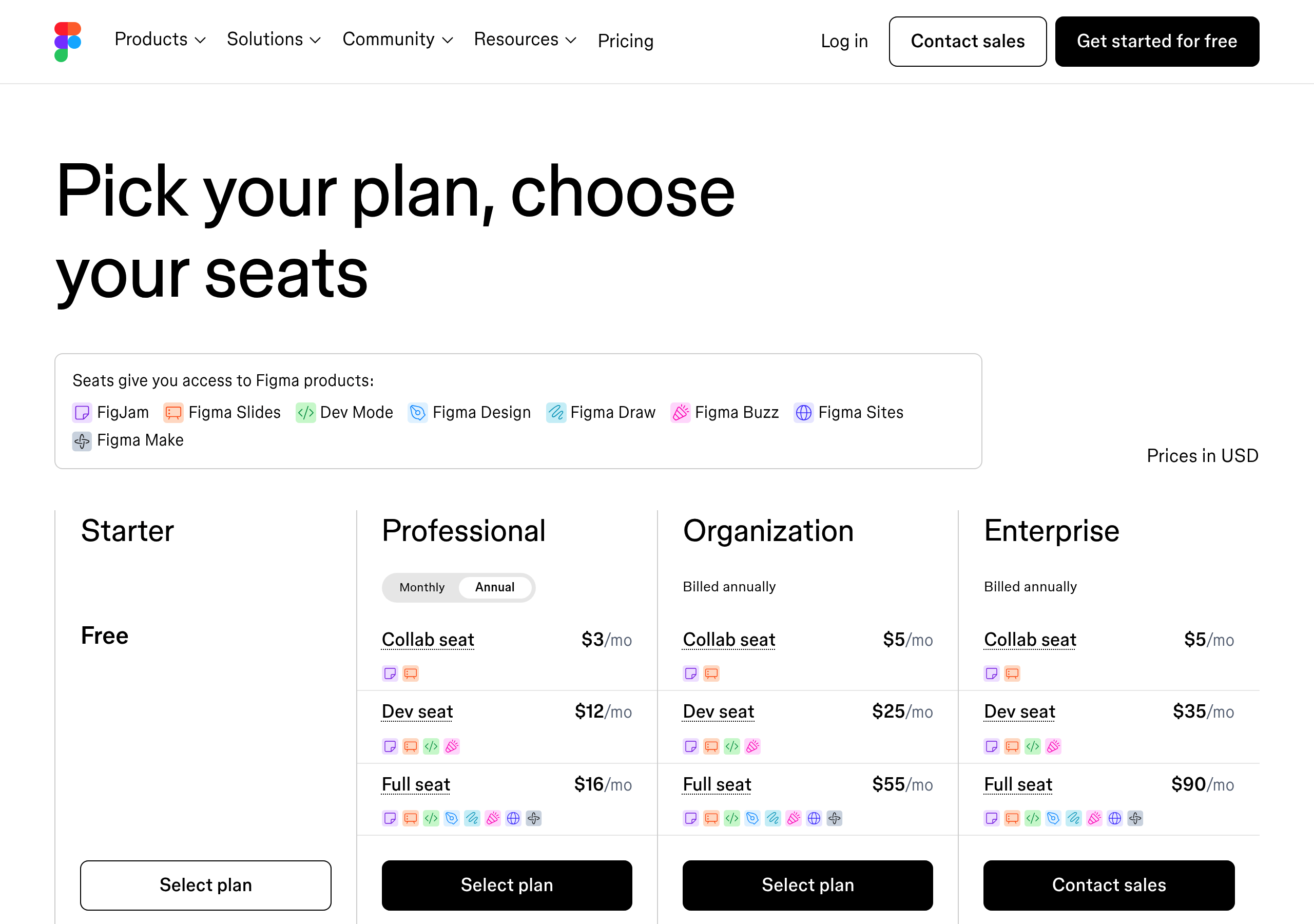
- Make constraints explicit (seats, usage, limits) and define all terms.
- Include FAQs for billing, cancellation, and procurement/security questions.
- Offer a clear next step: start trial, buy now, or book a demo. Don't hide the action.
- Show value, not just features. "Unlimited projects" is good, but "Scale from startup to enterprise" is better.
- Use social proof near pricing ("Join 10,000+ teams", customer logos).
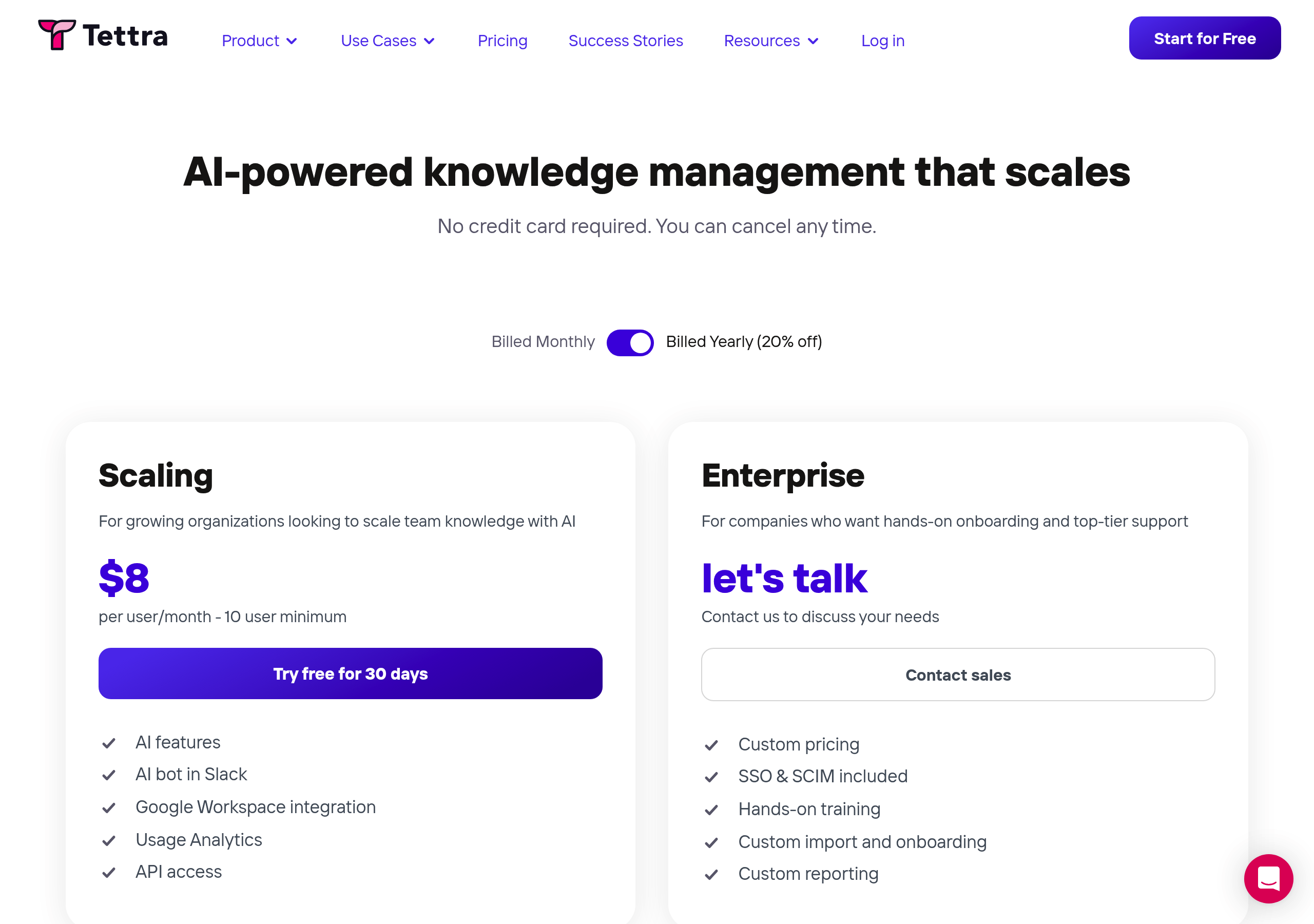
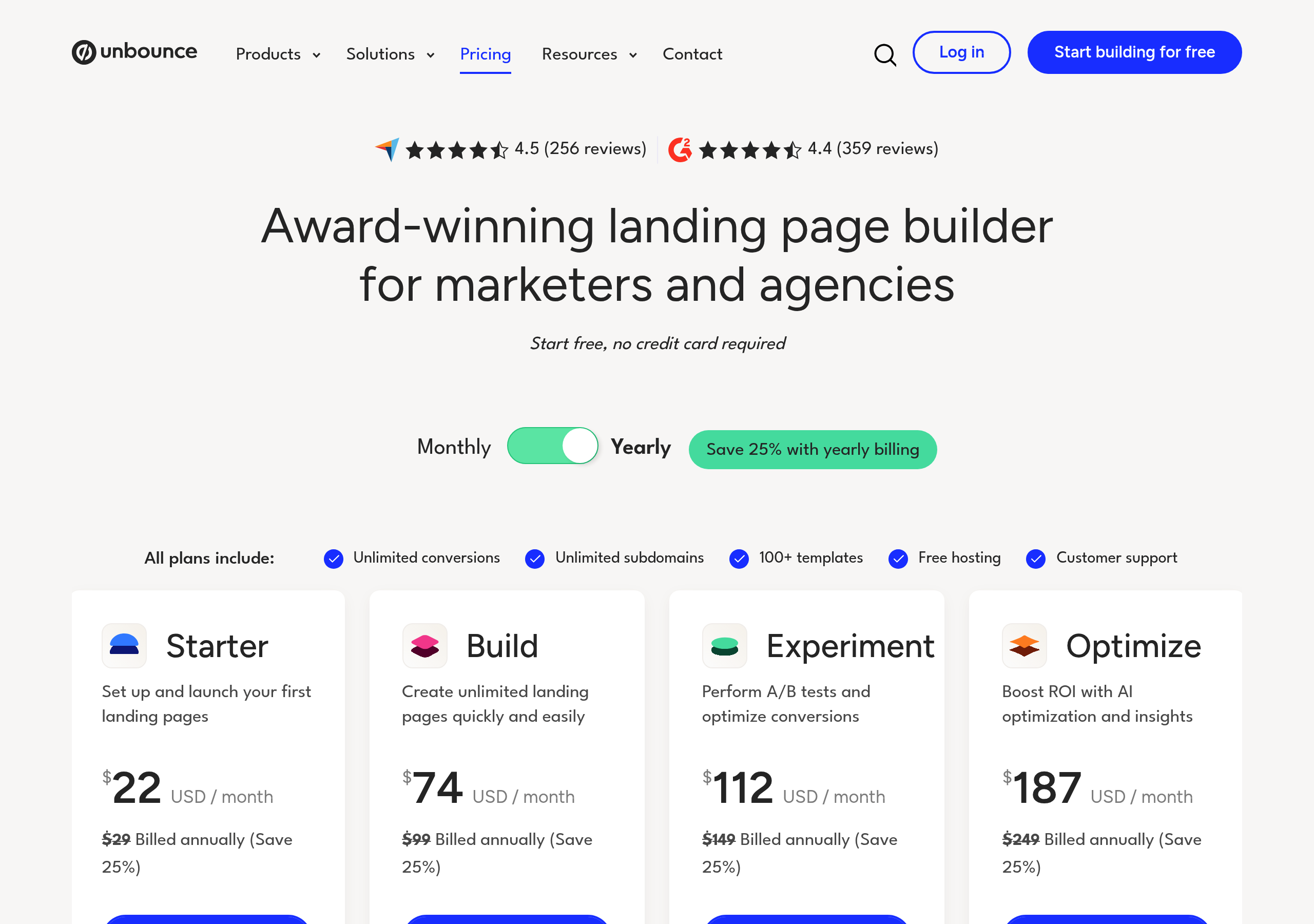
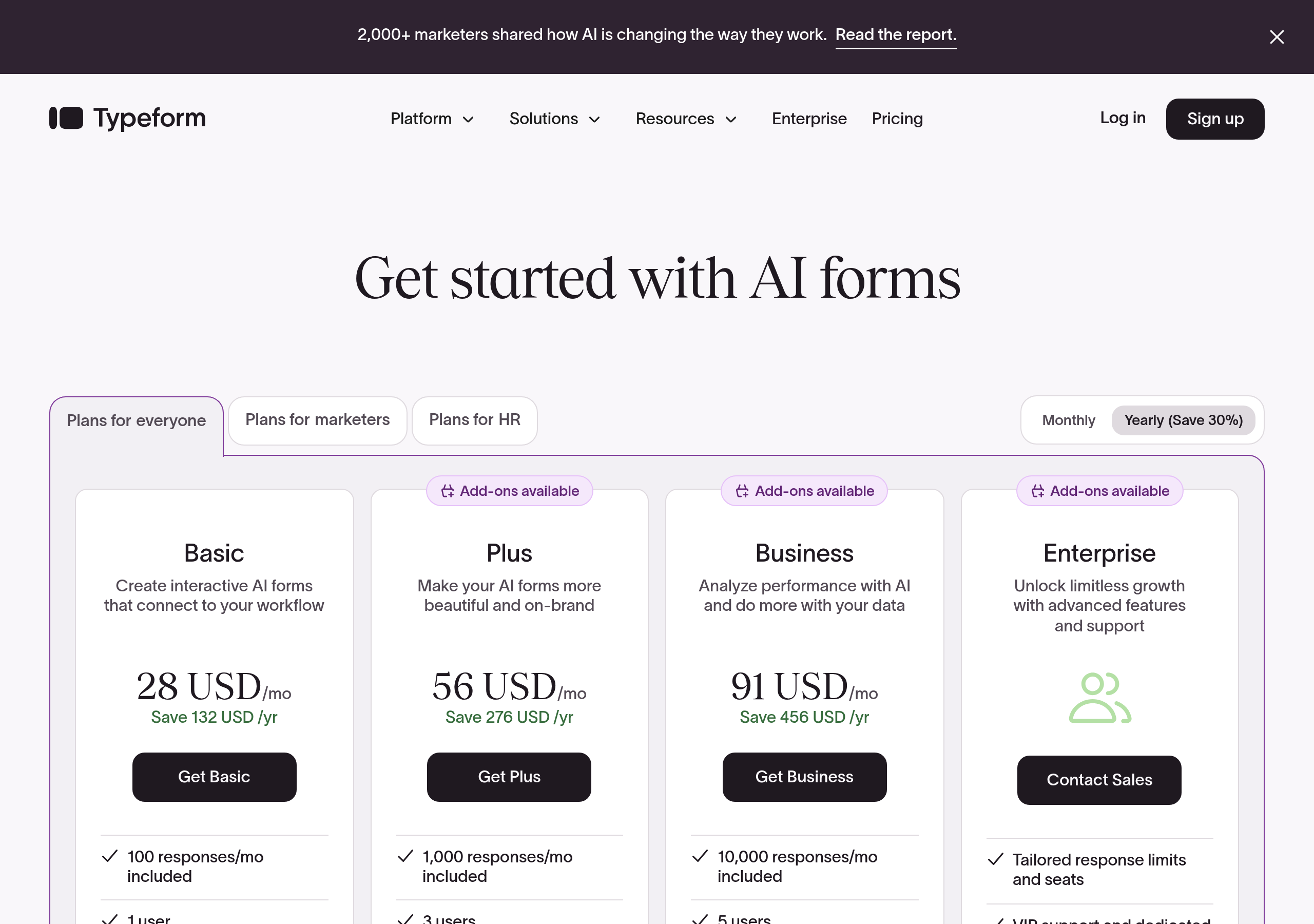
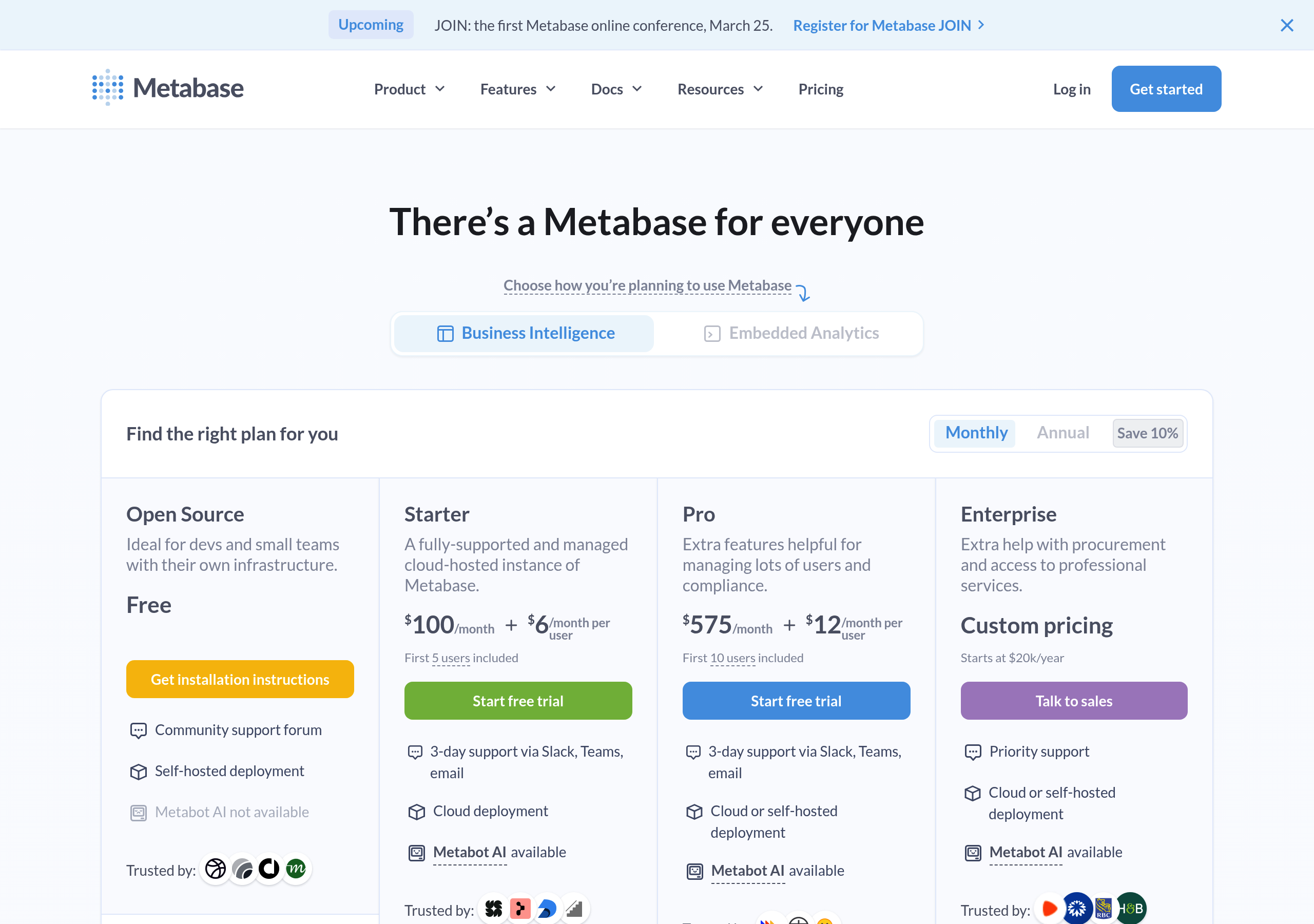
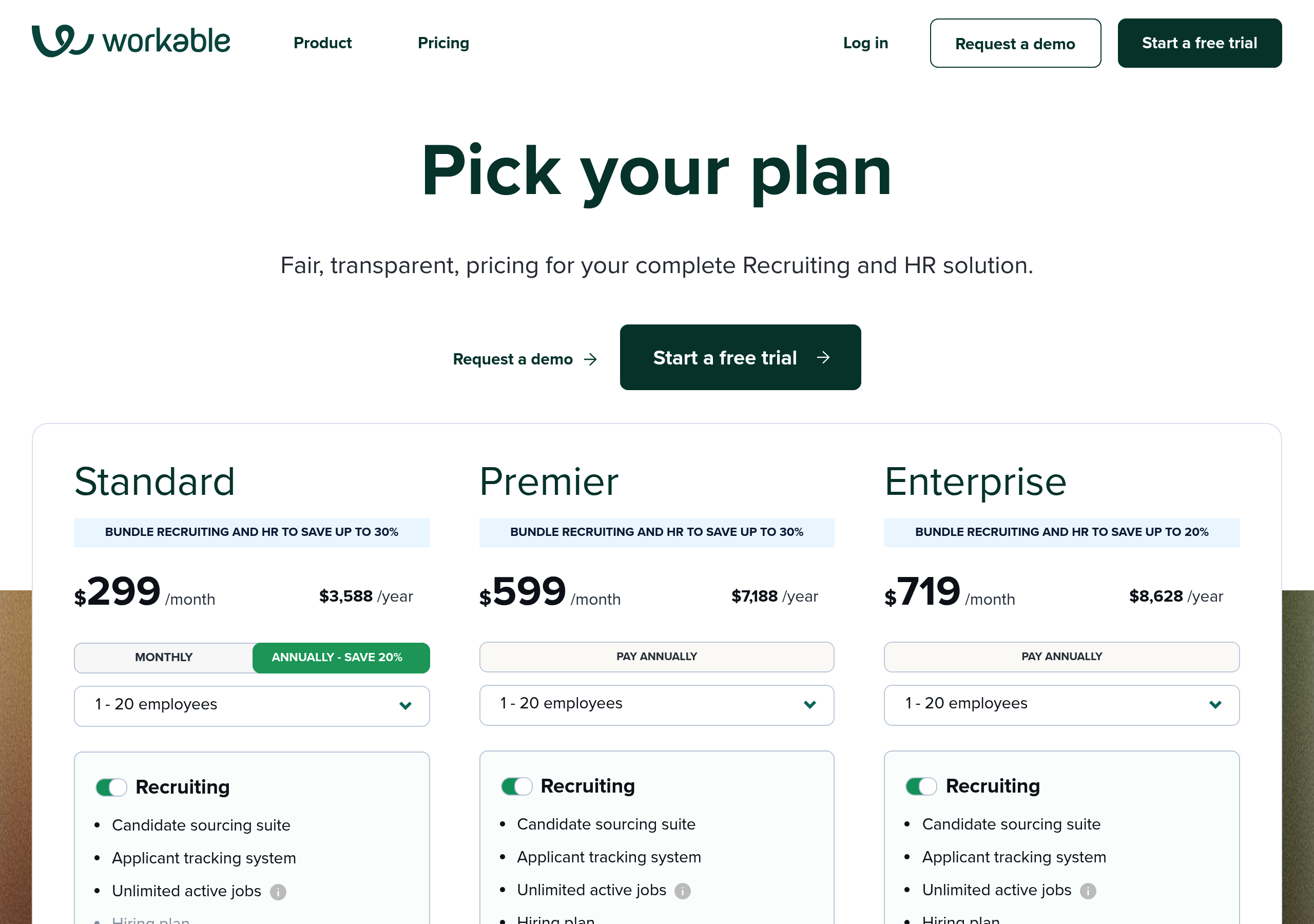
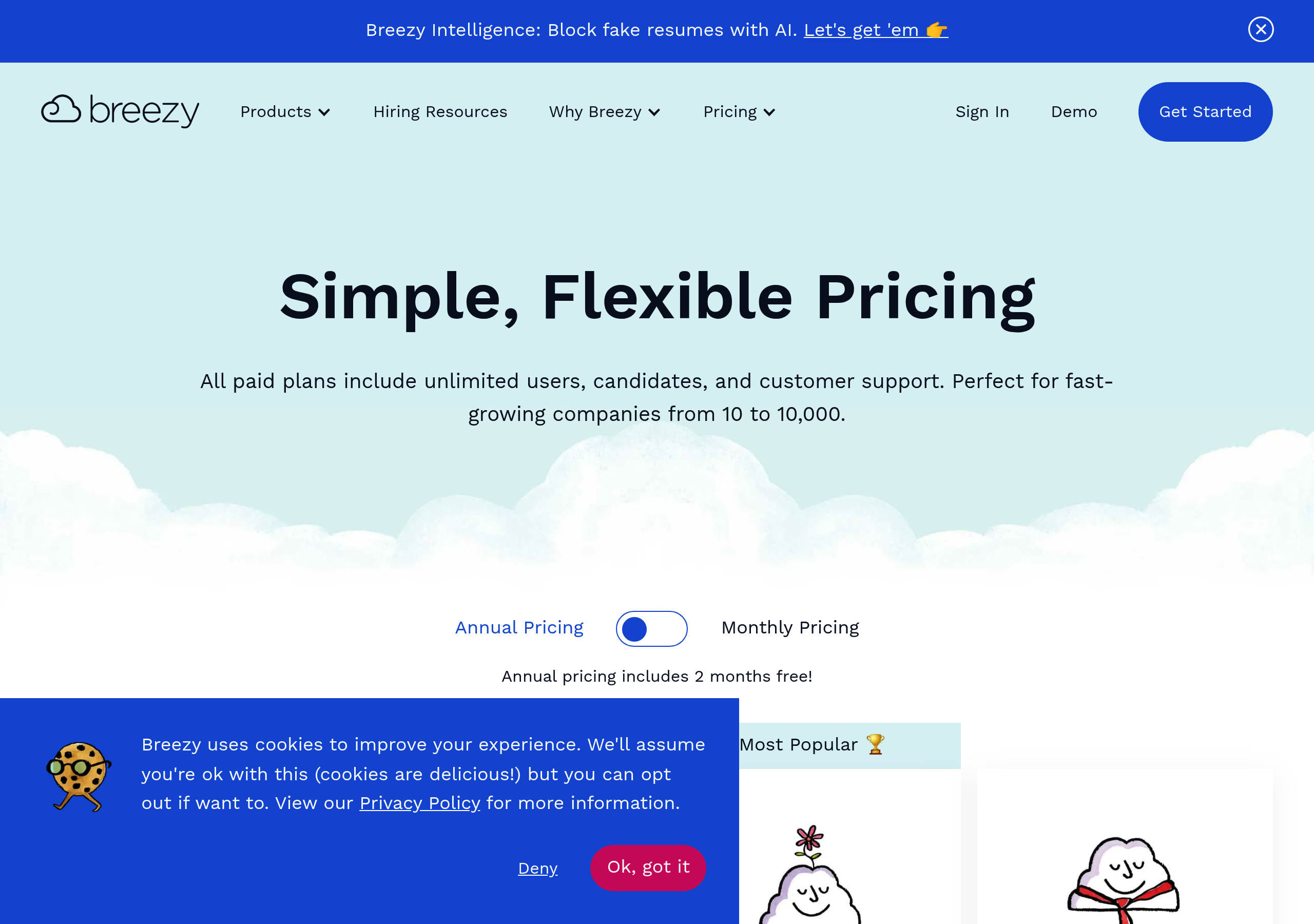
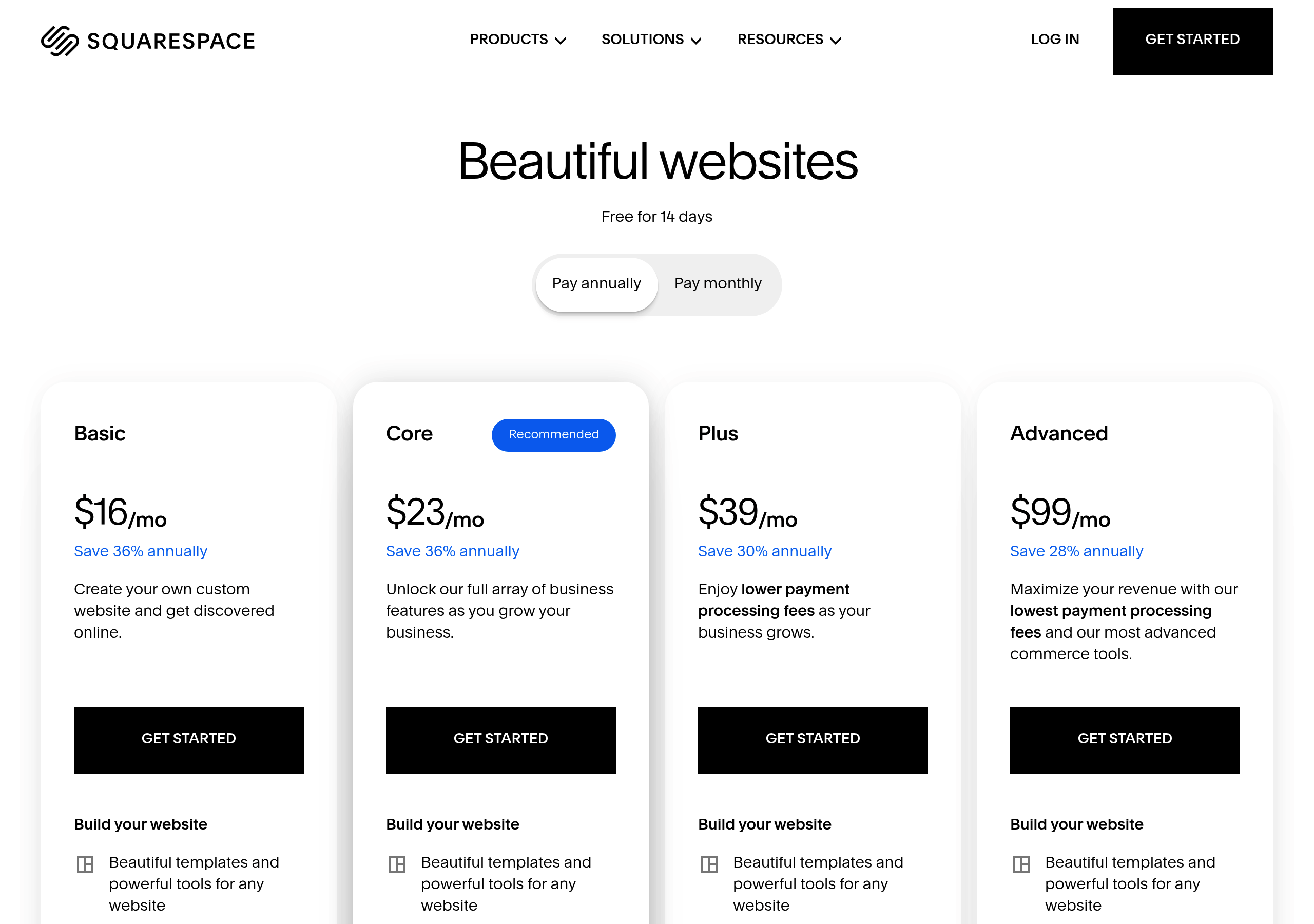
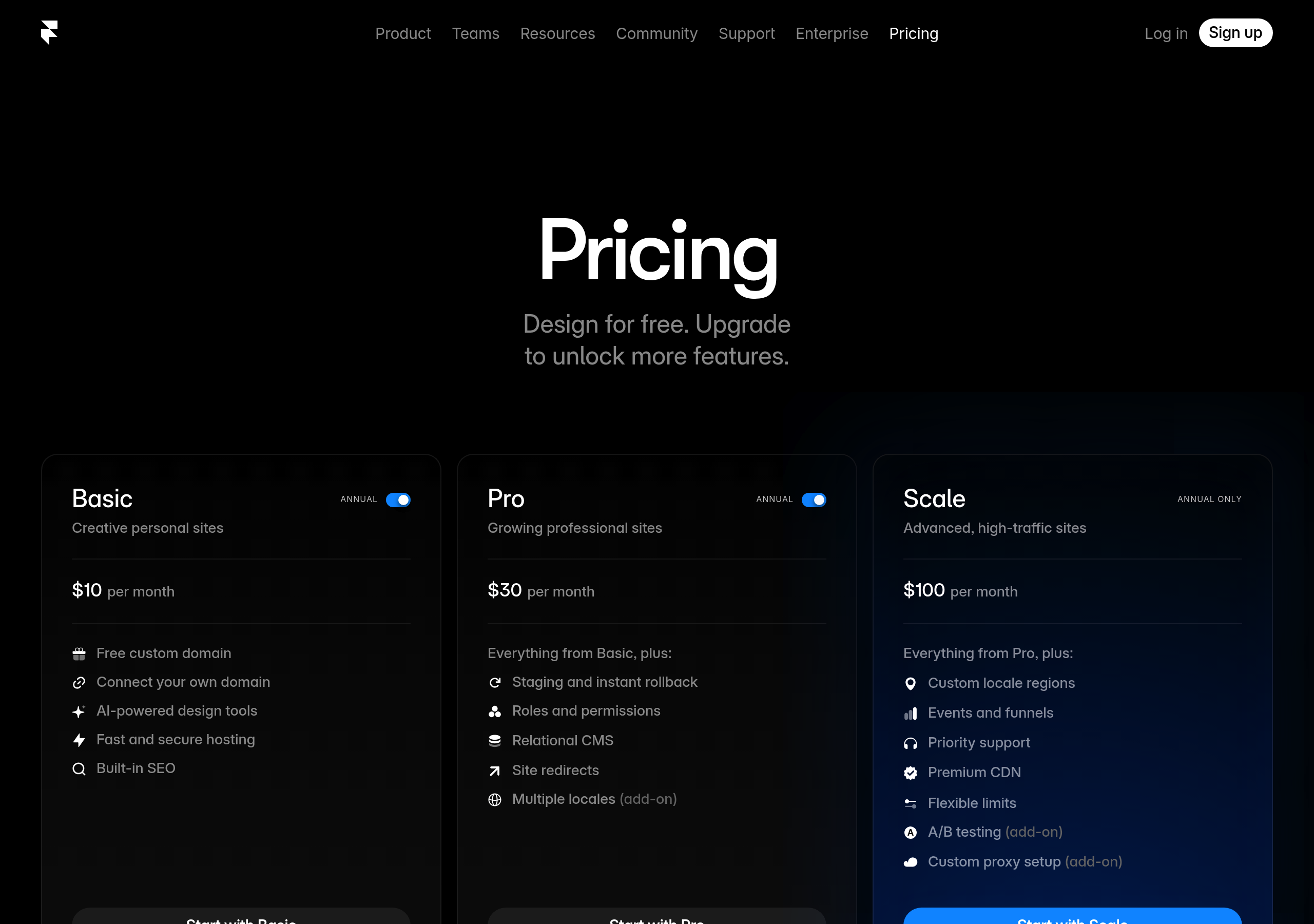
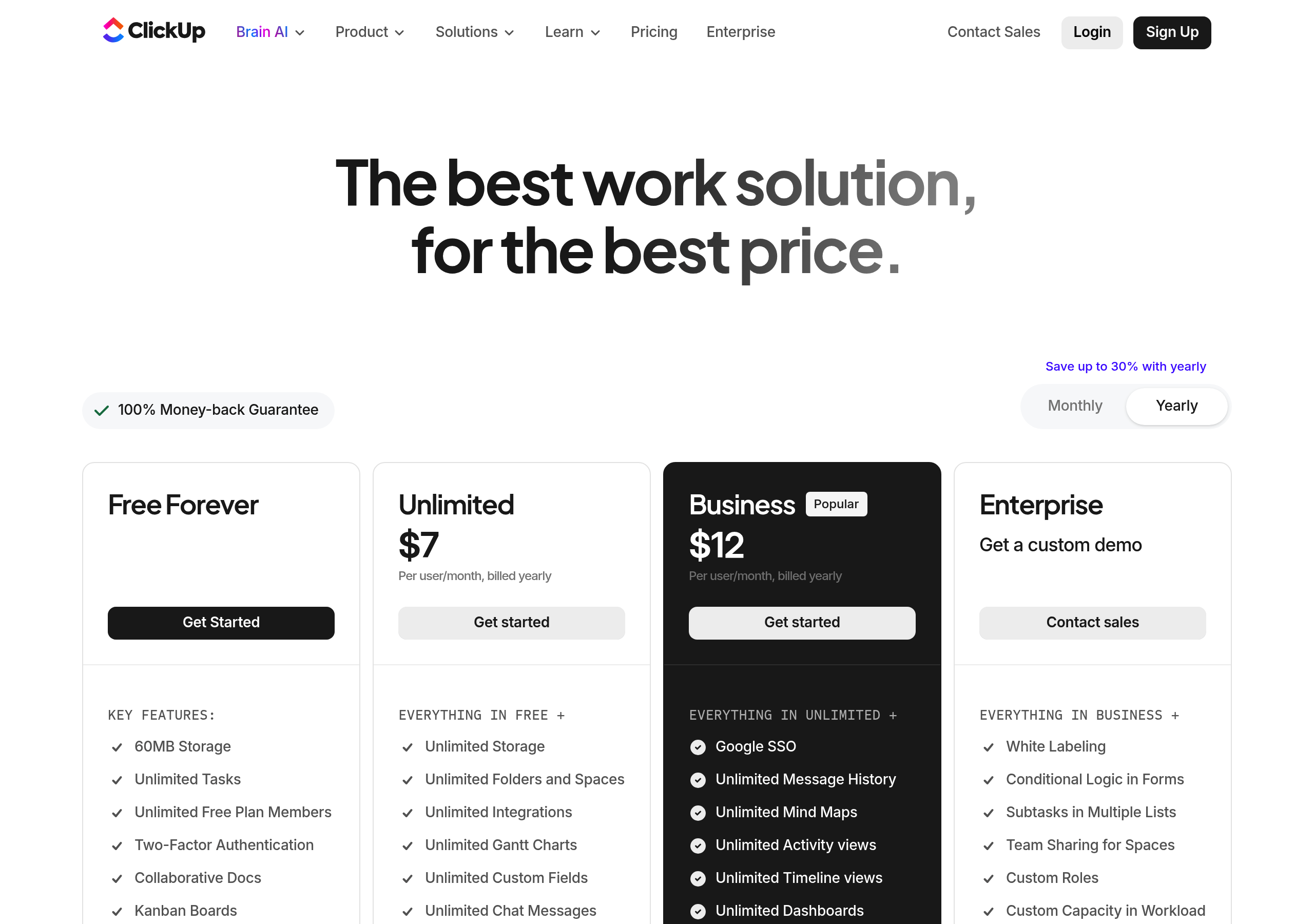
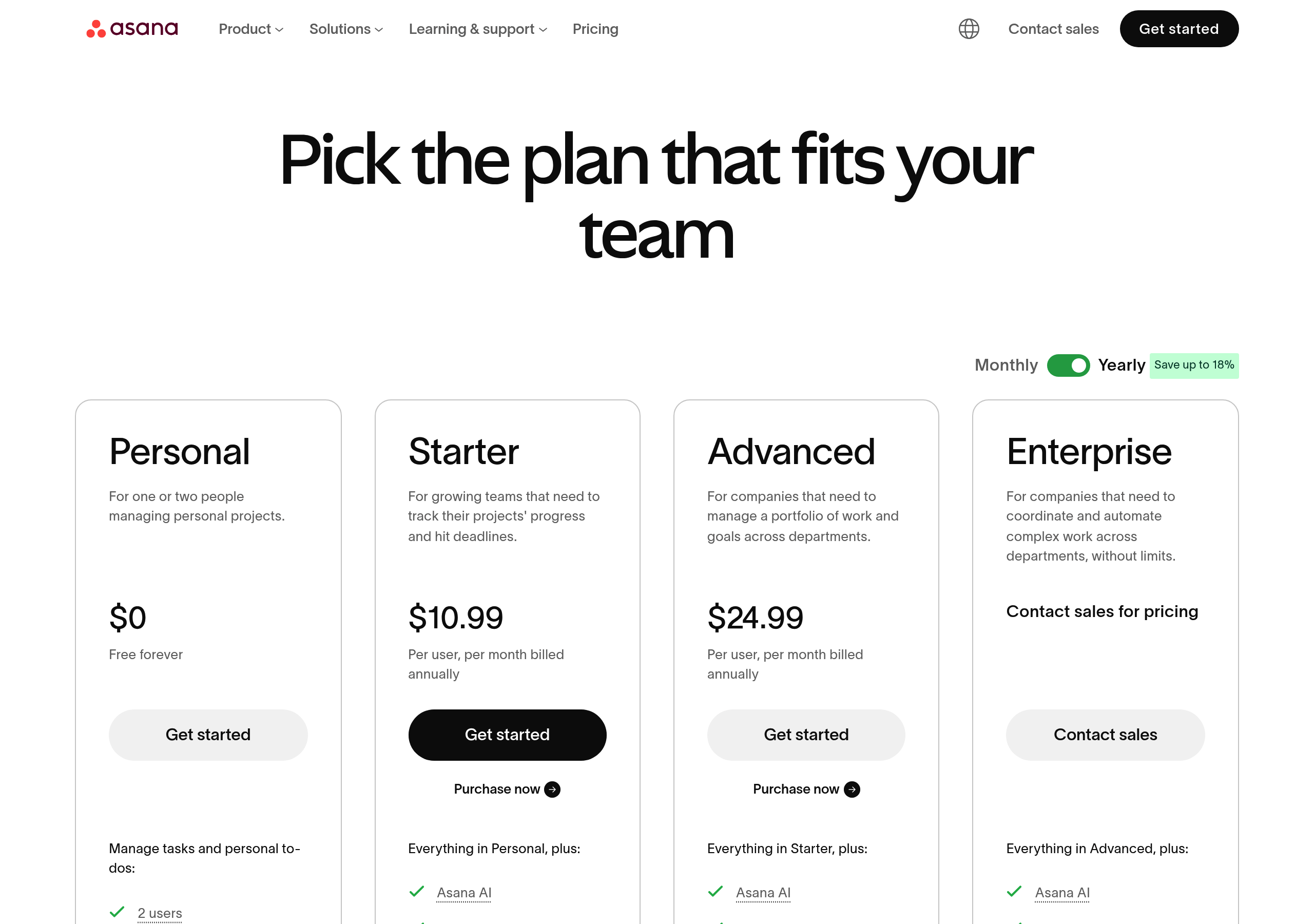
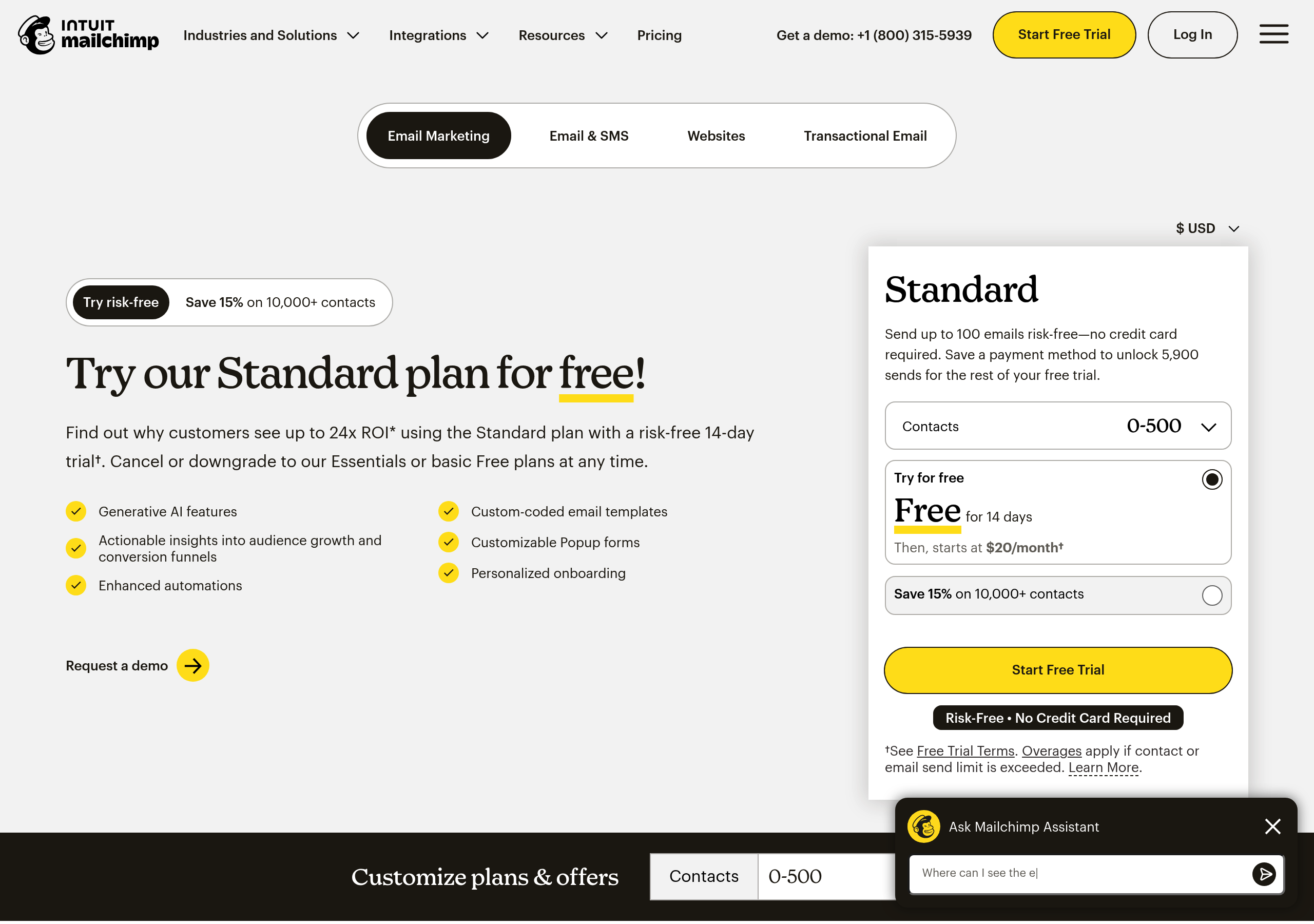
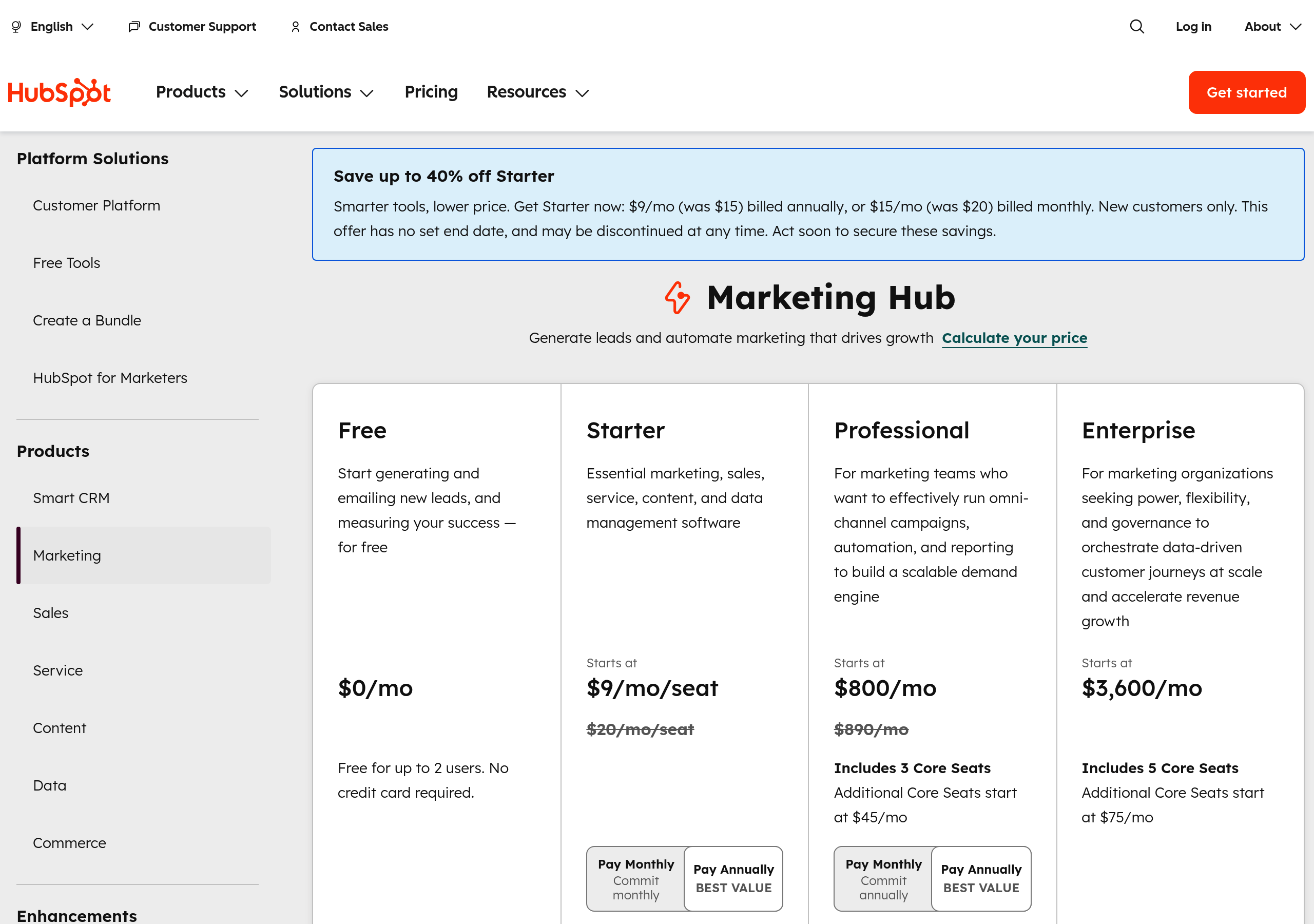
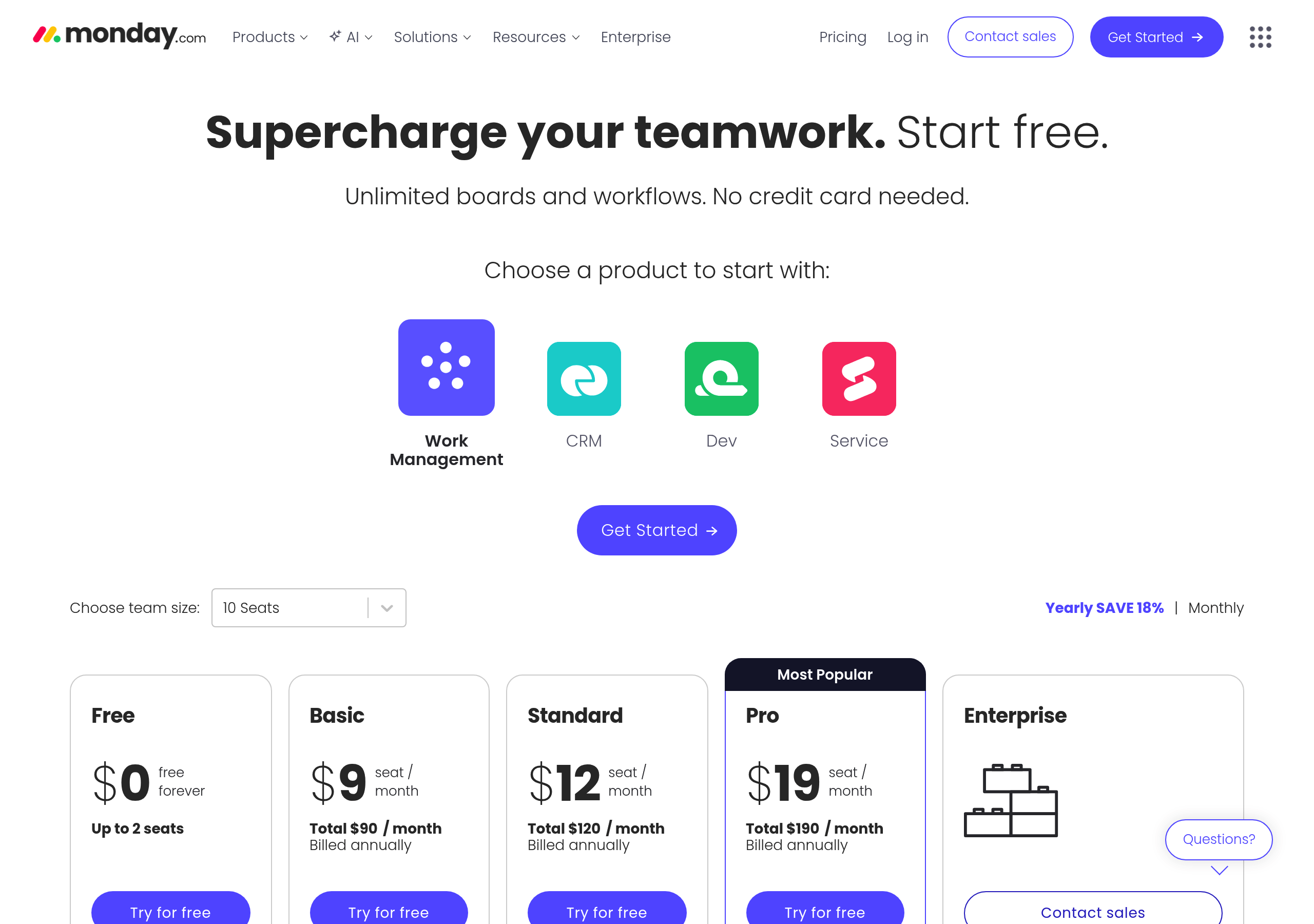
- Make annual vs. monthly pricing clear, and highlight savings for annual plans.
Common patterns
Popular variations and approaches you'll see across successful SaaS sites.
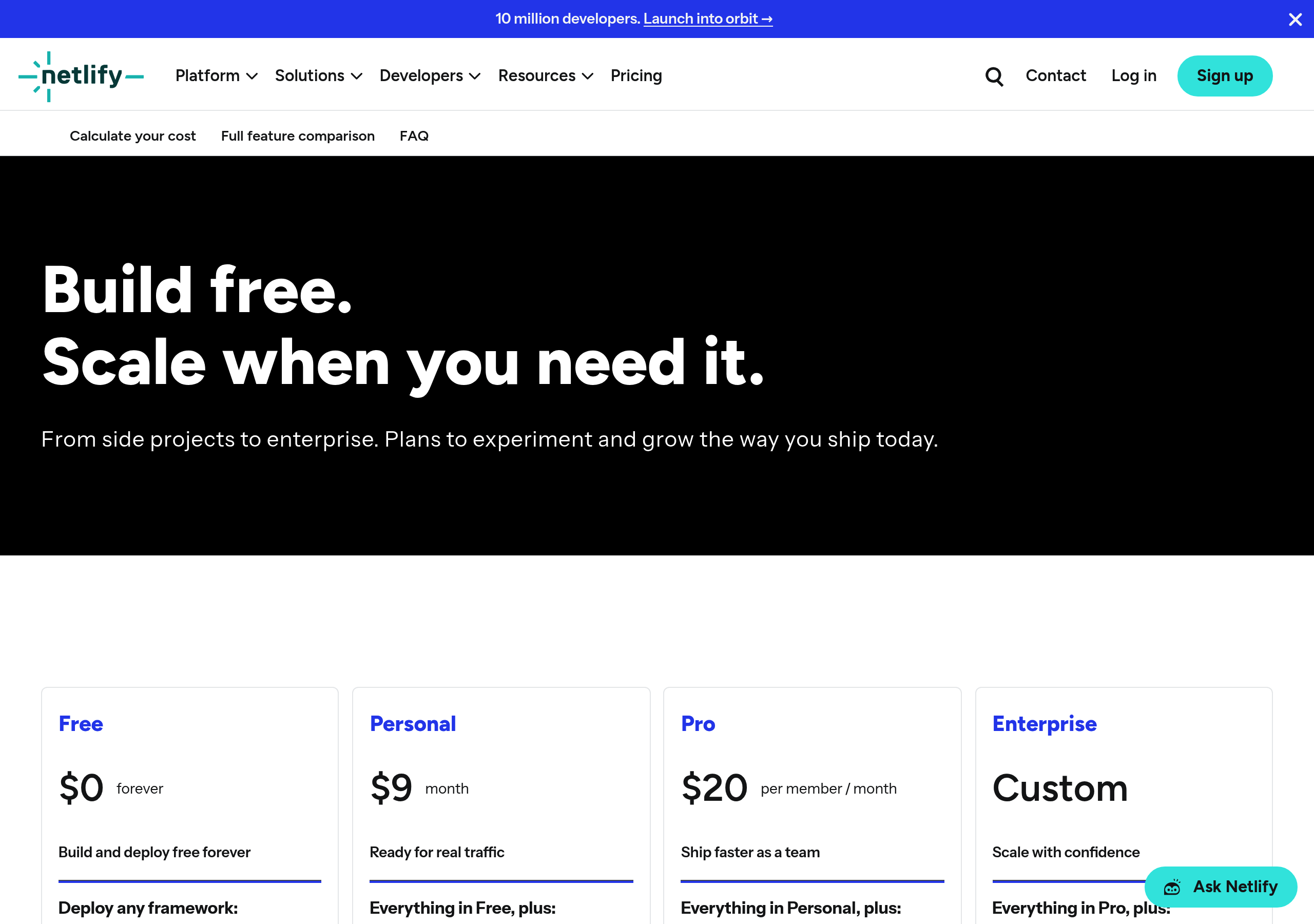
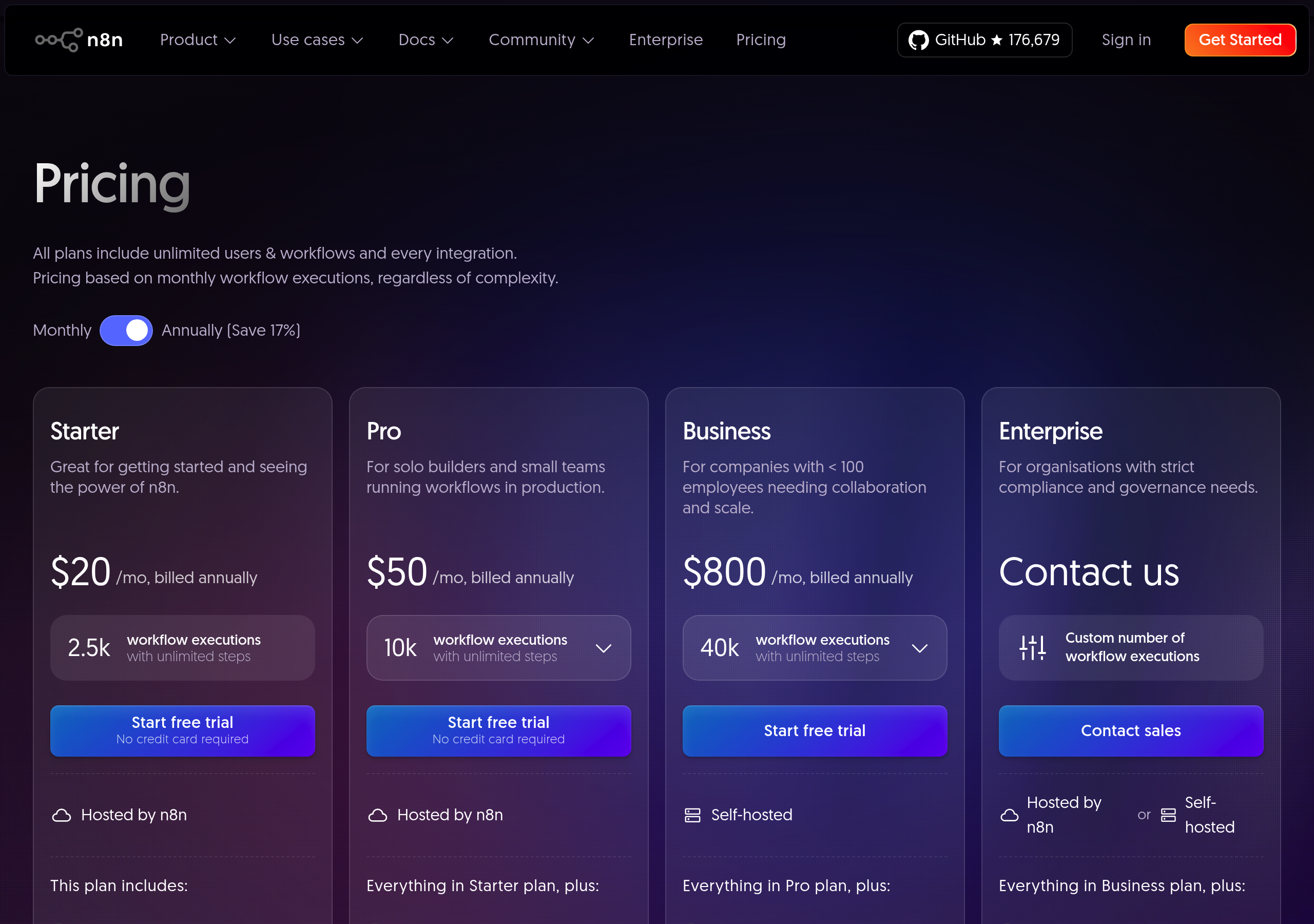
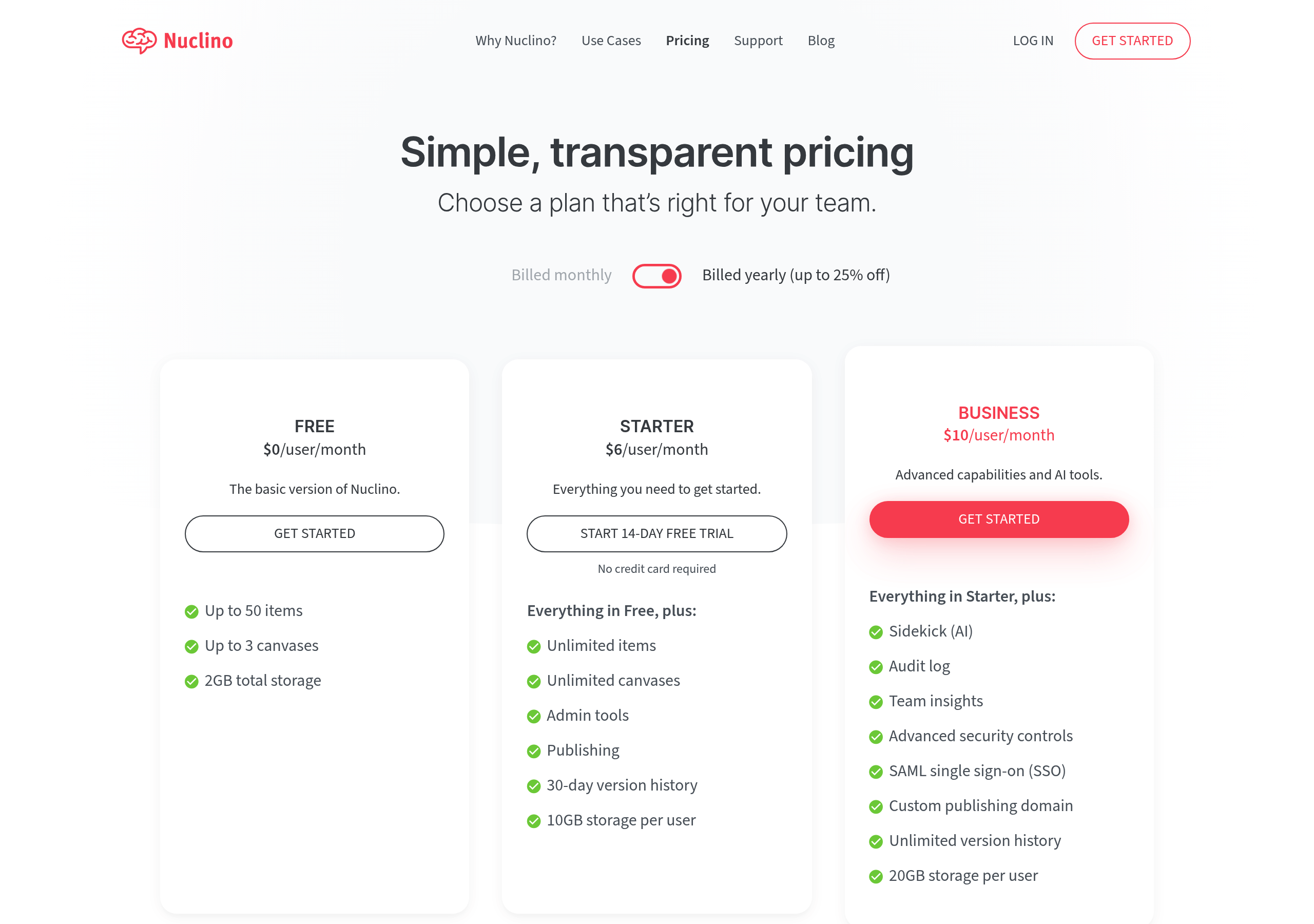
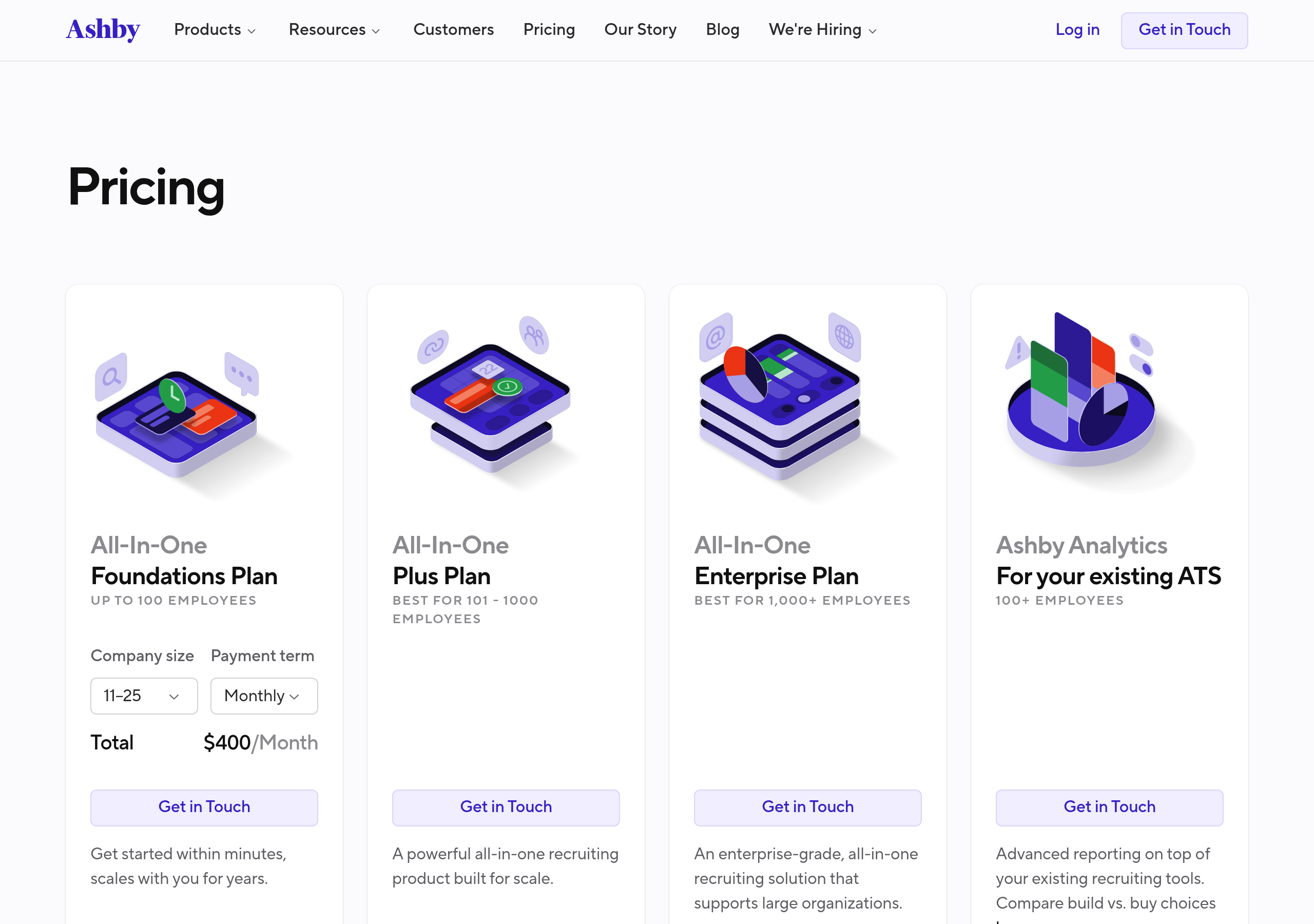
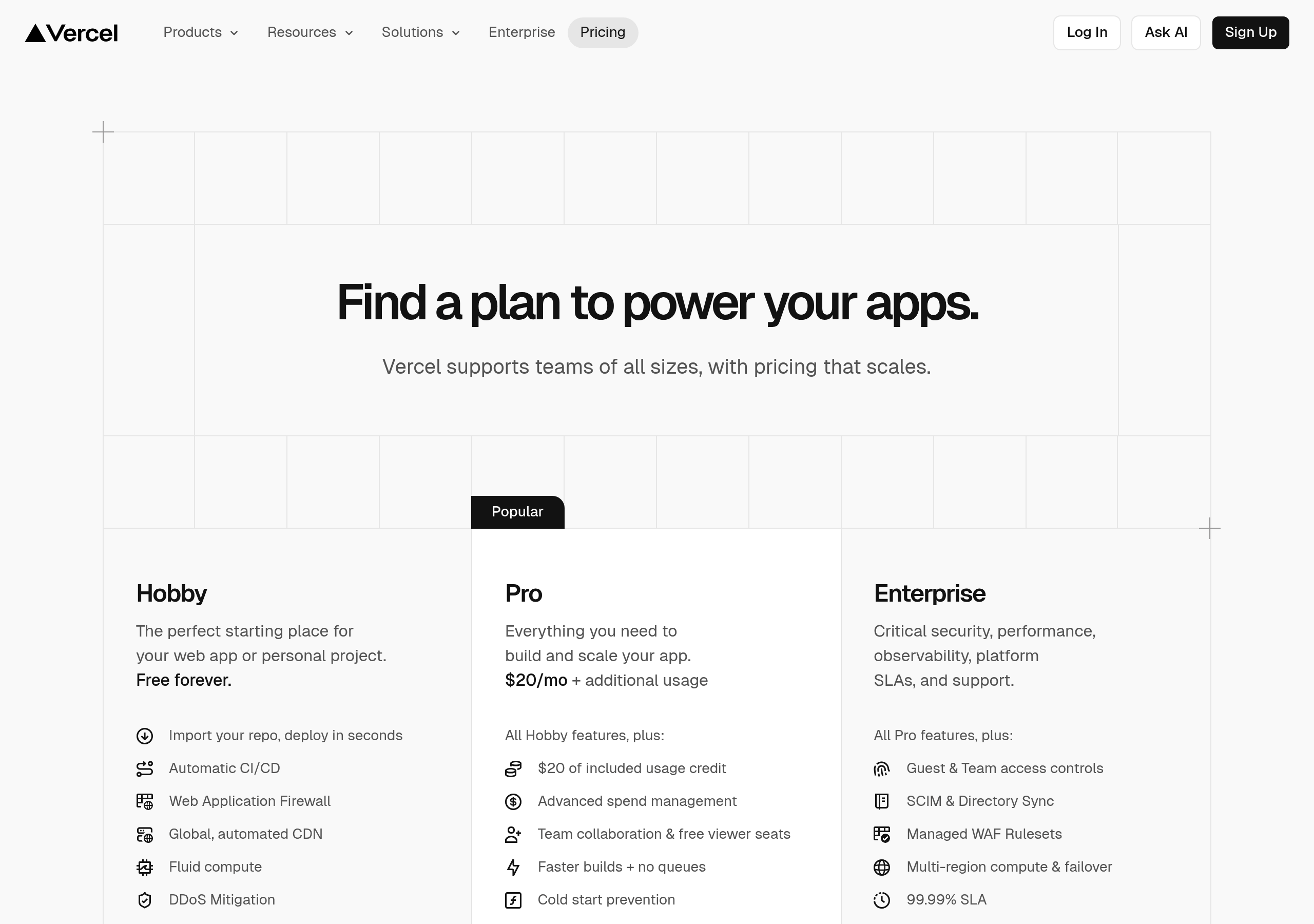
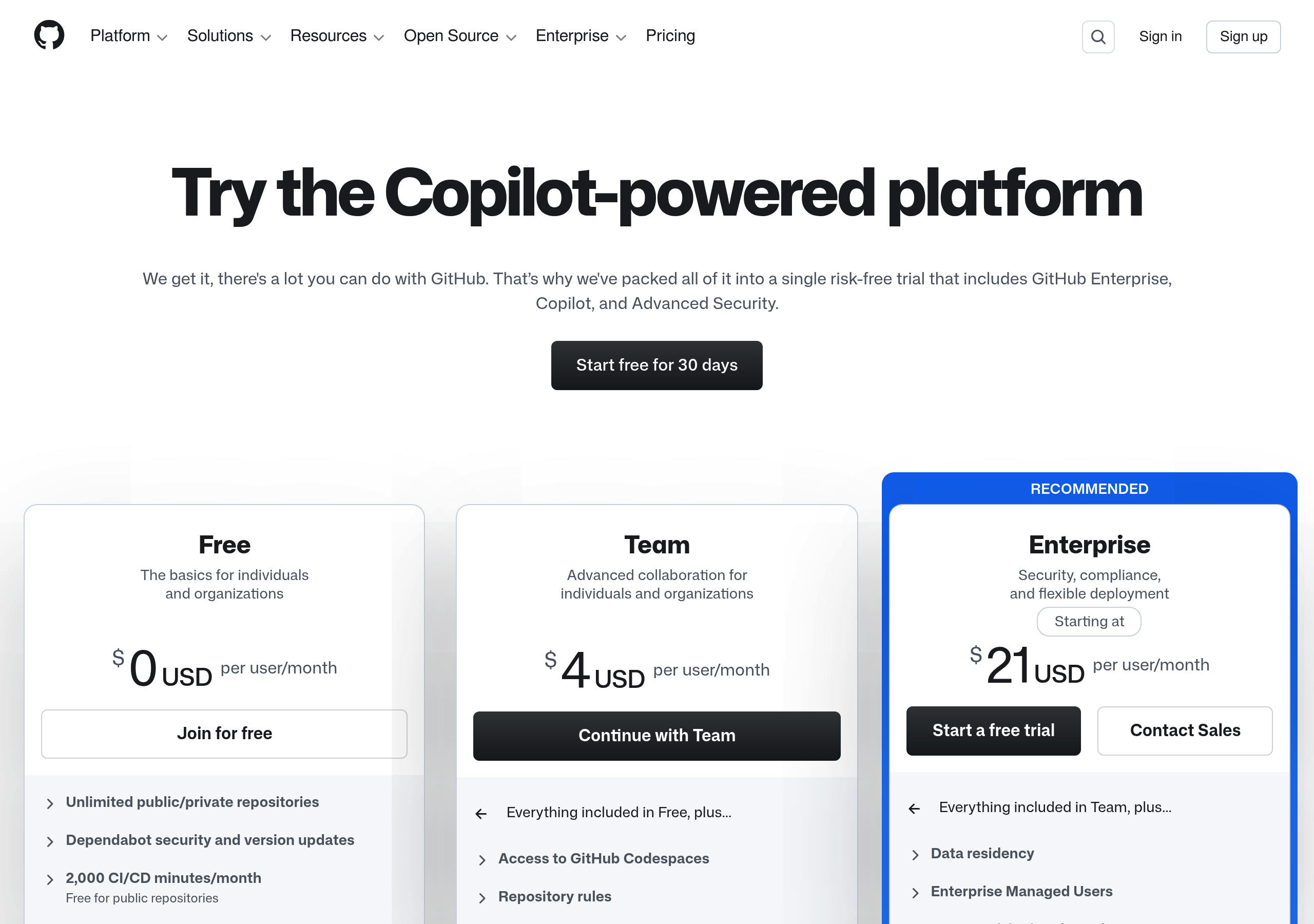
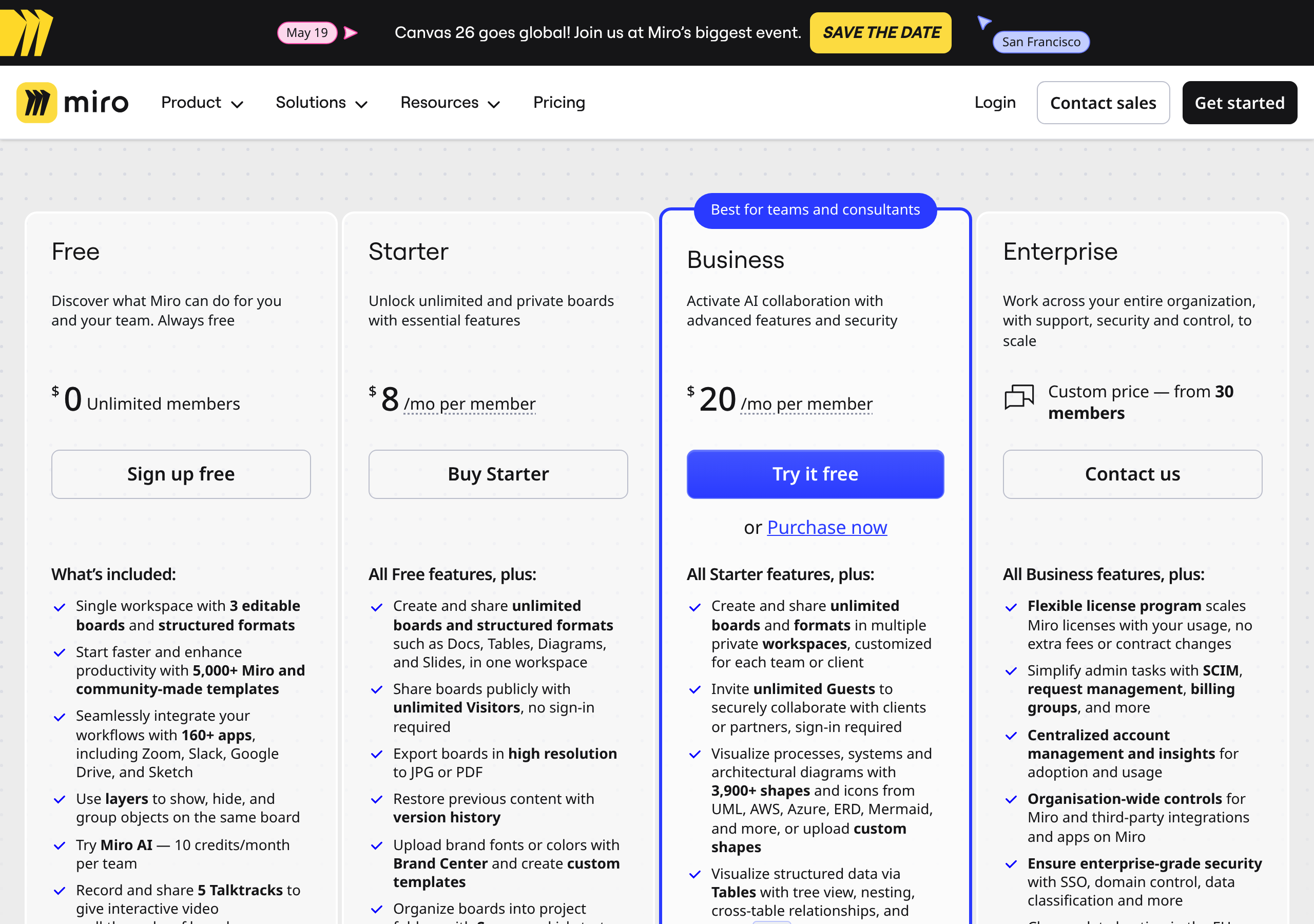
Three-tier pricing
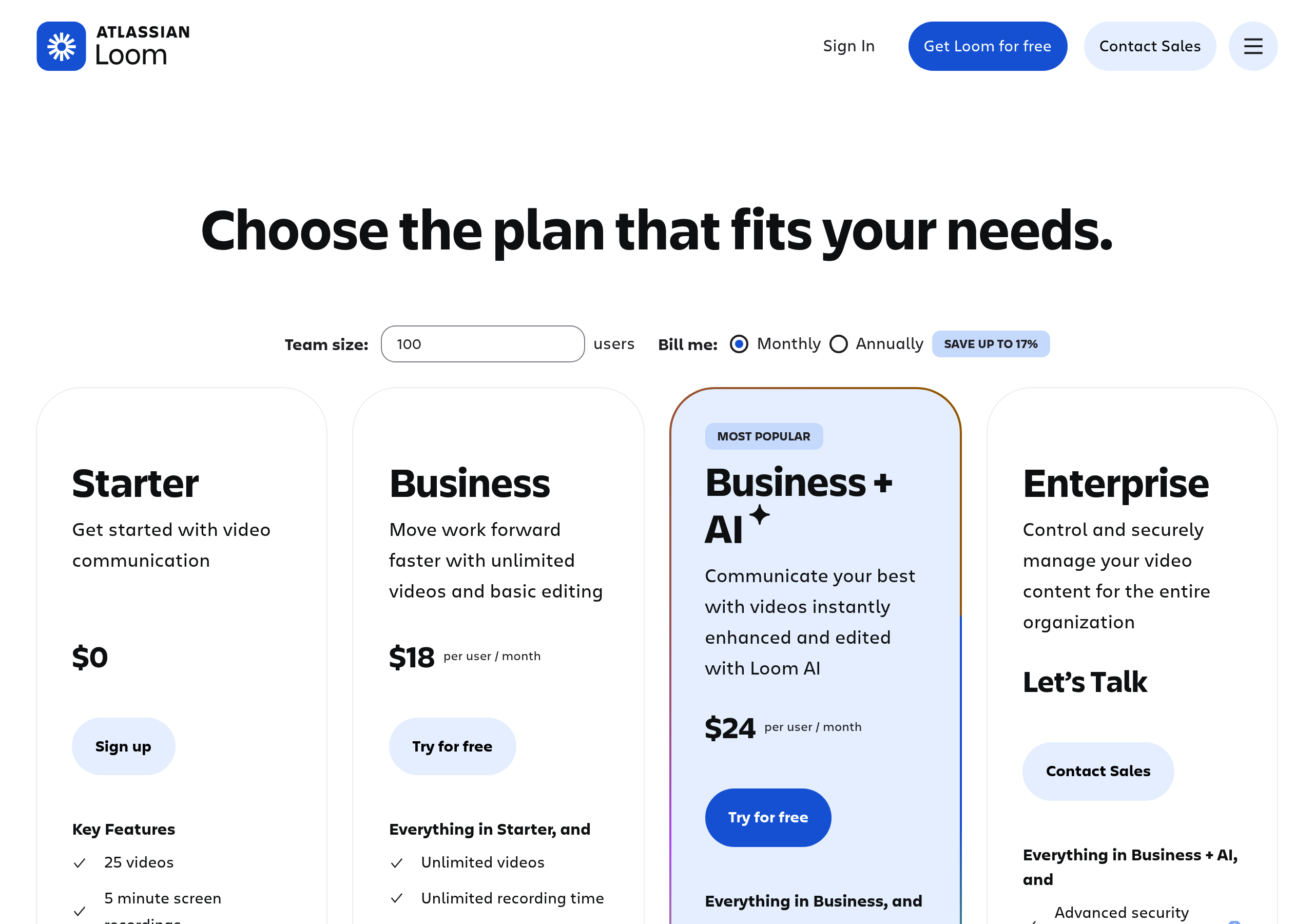
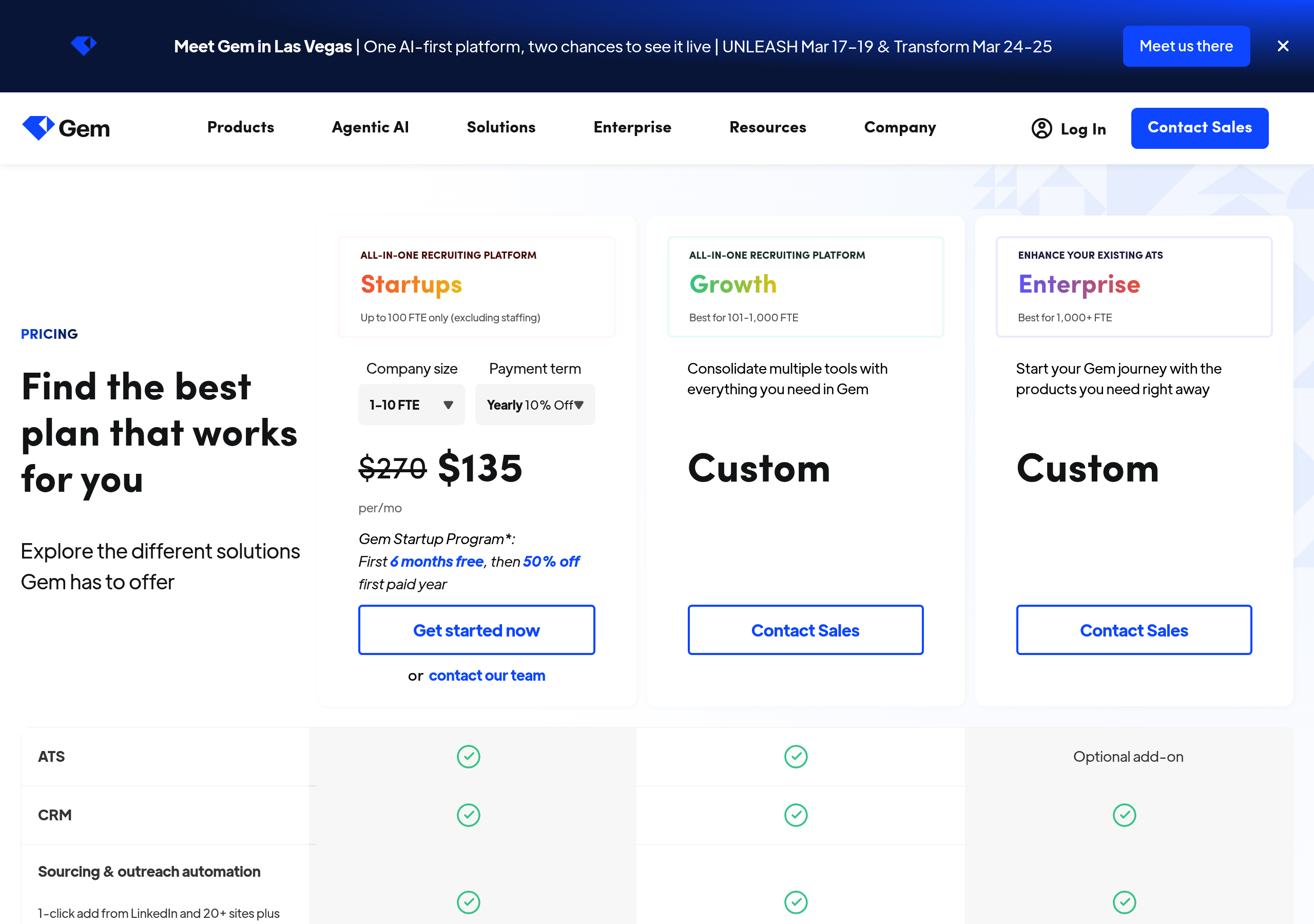
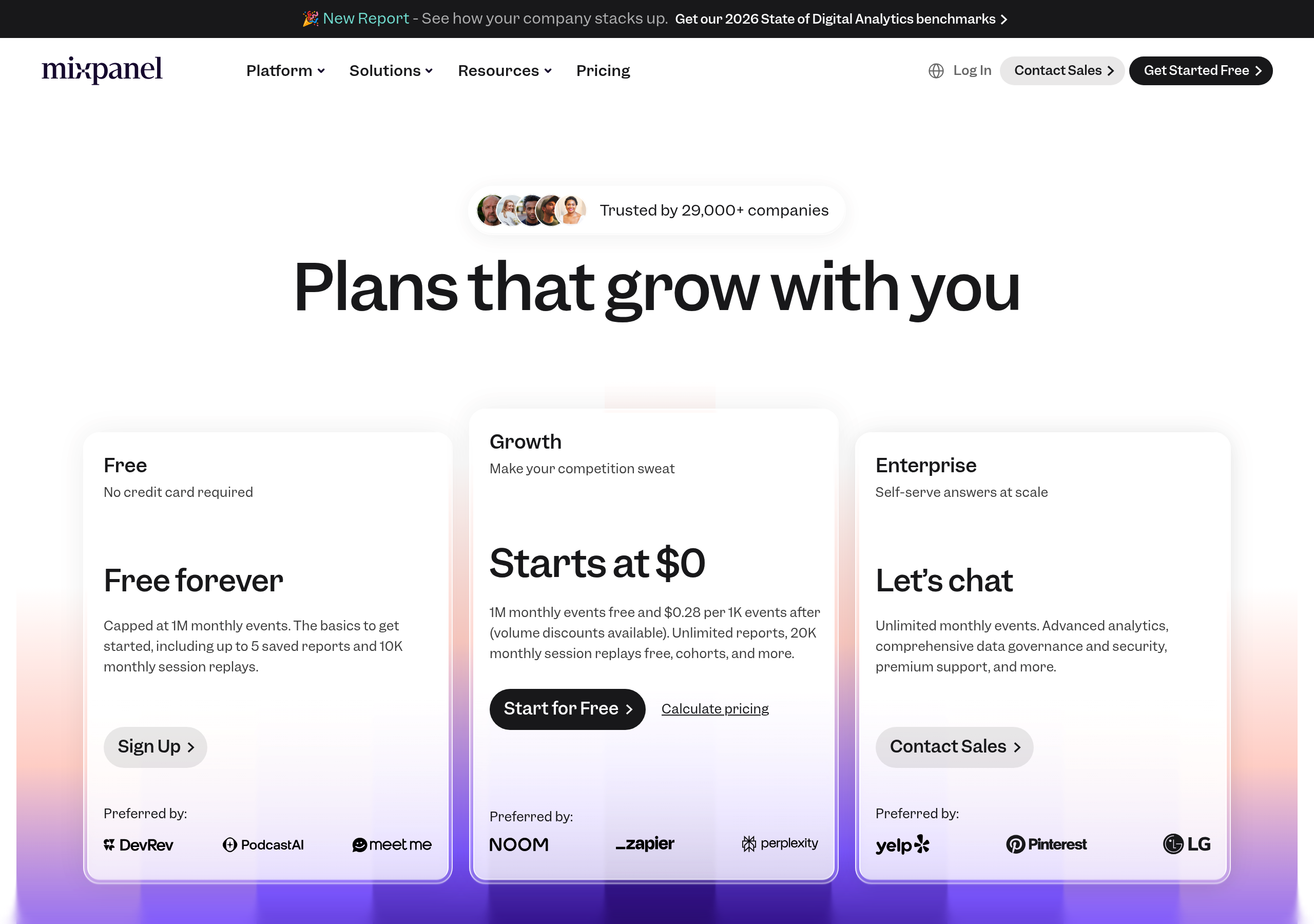
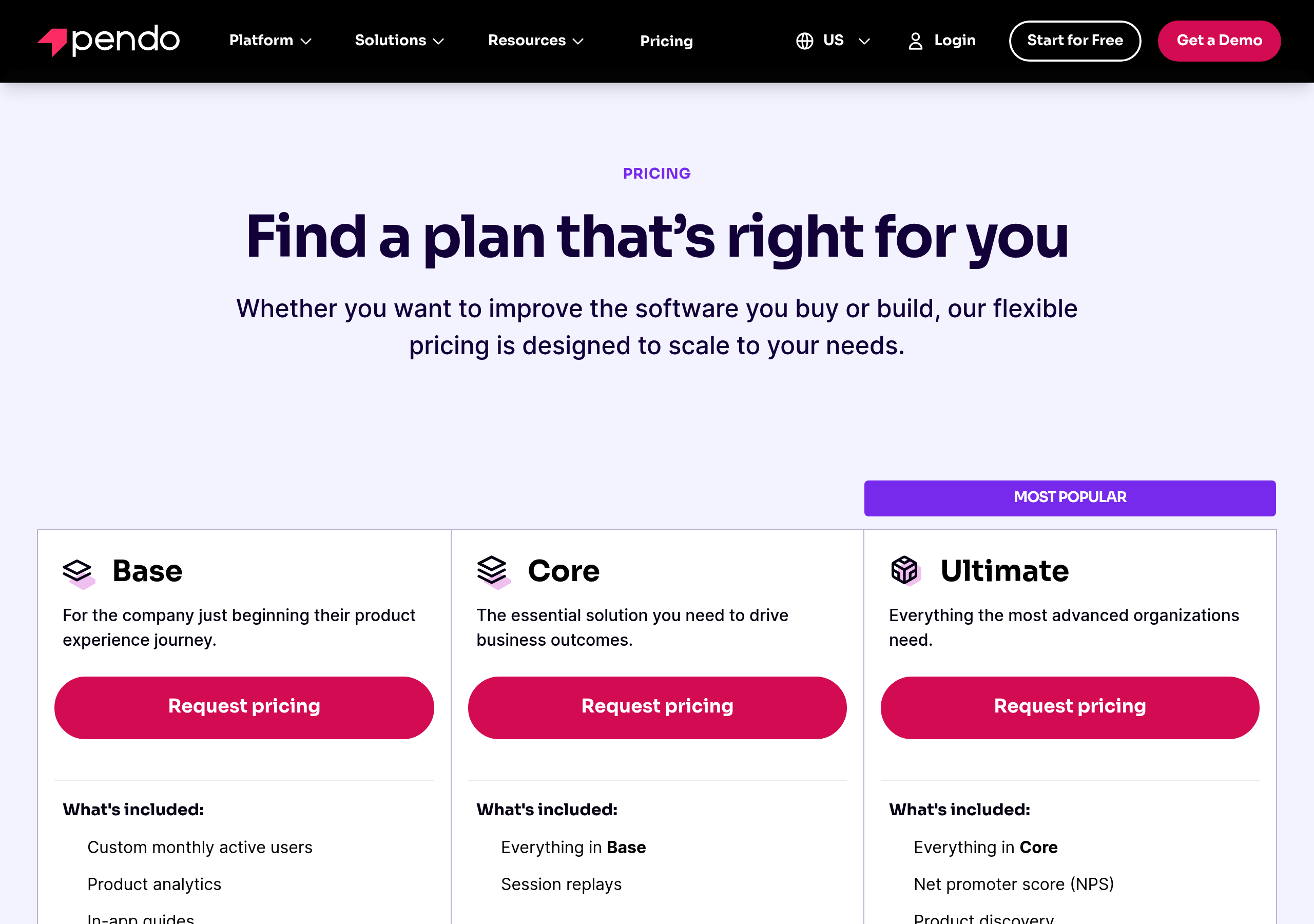
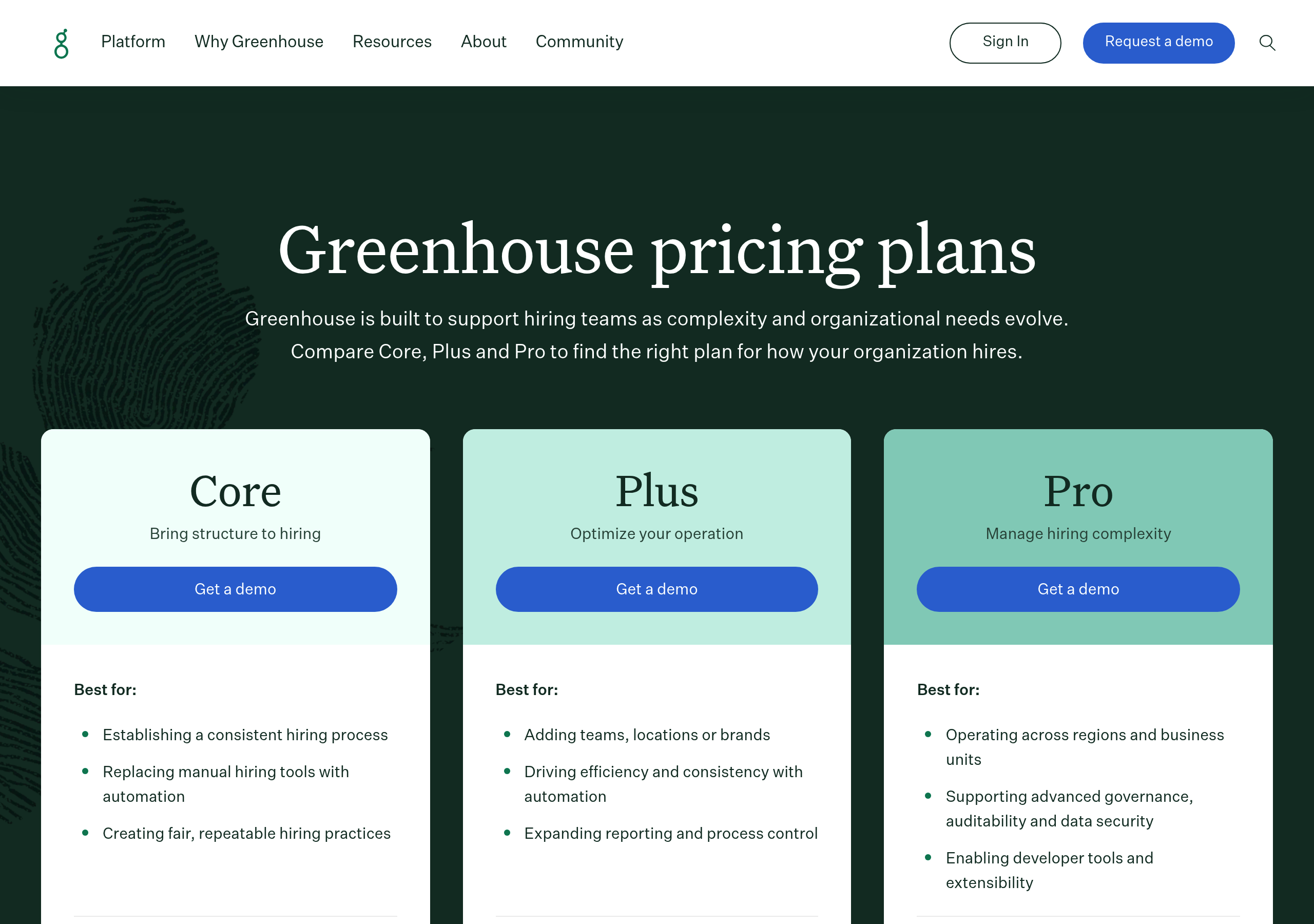
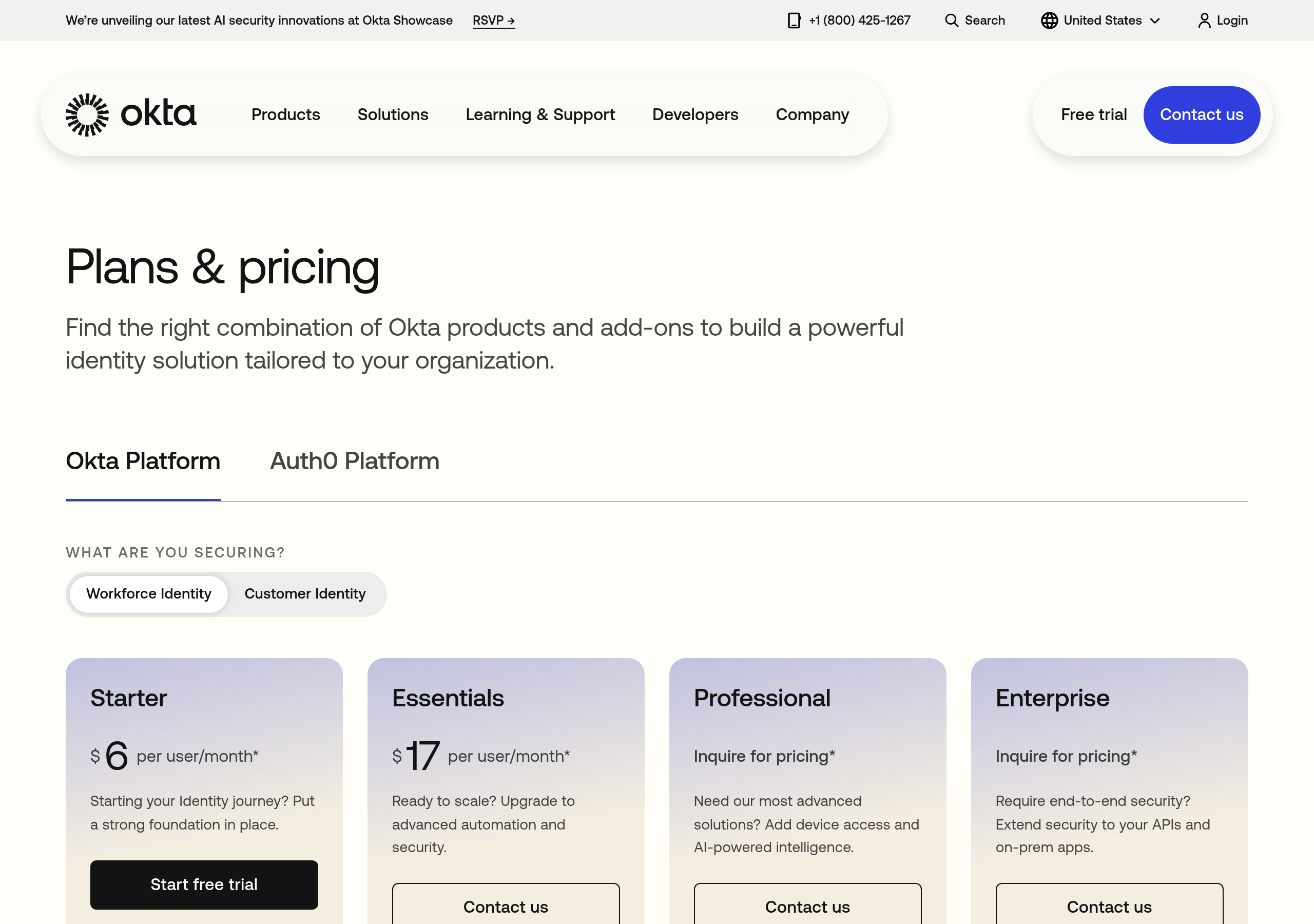
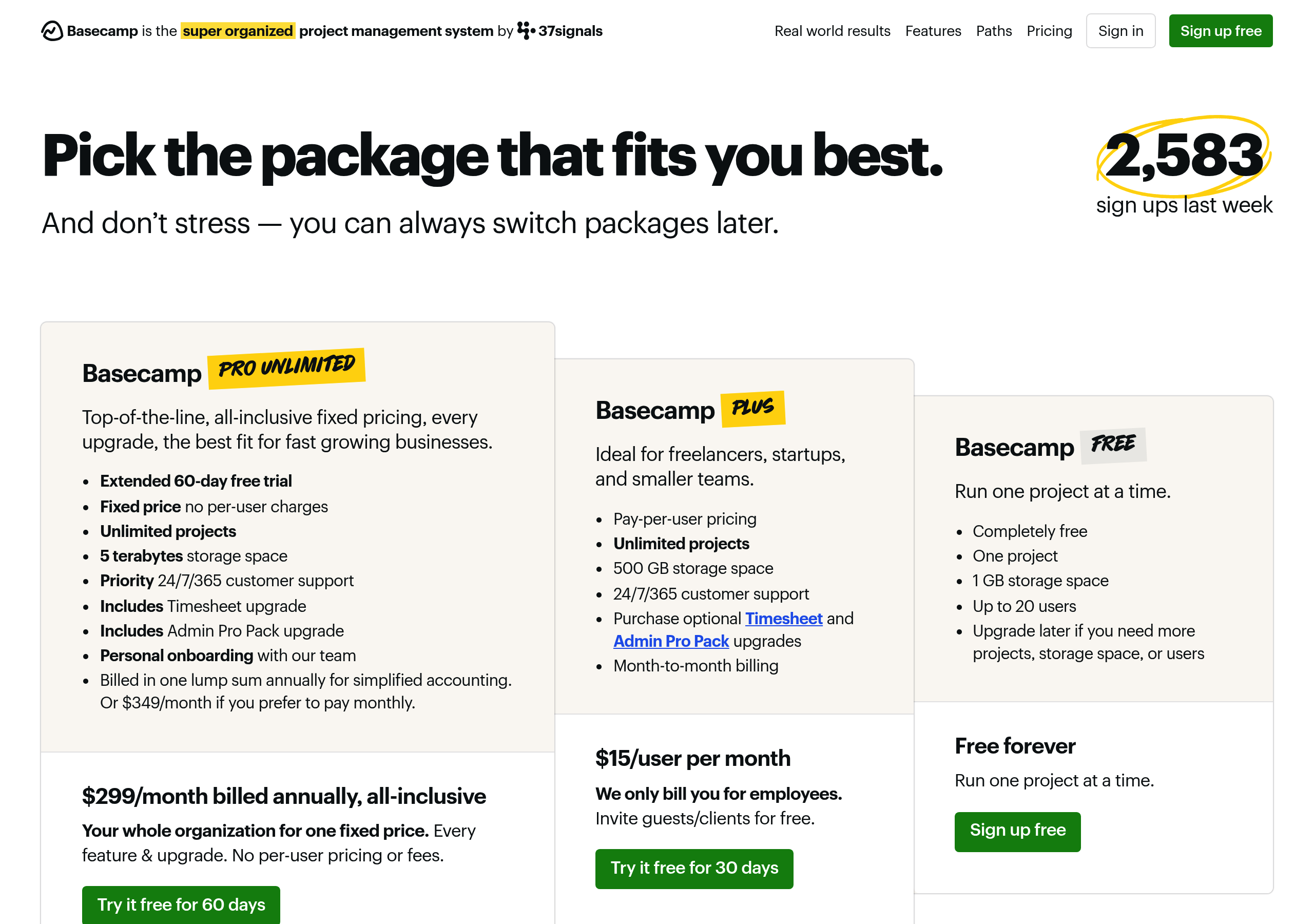
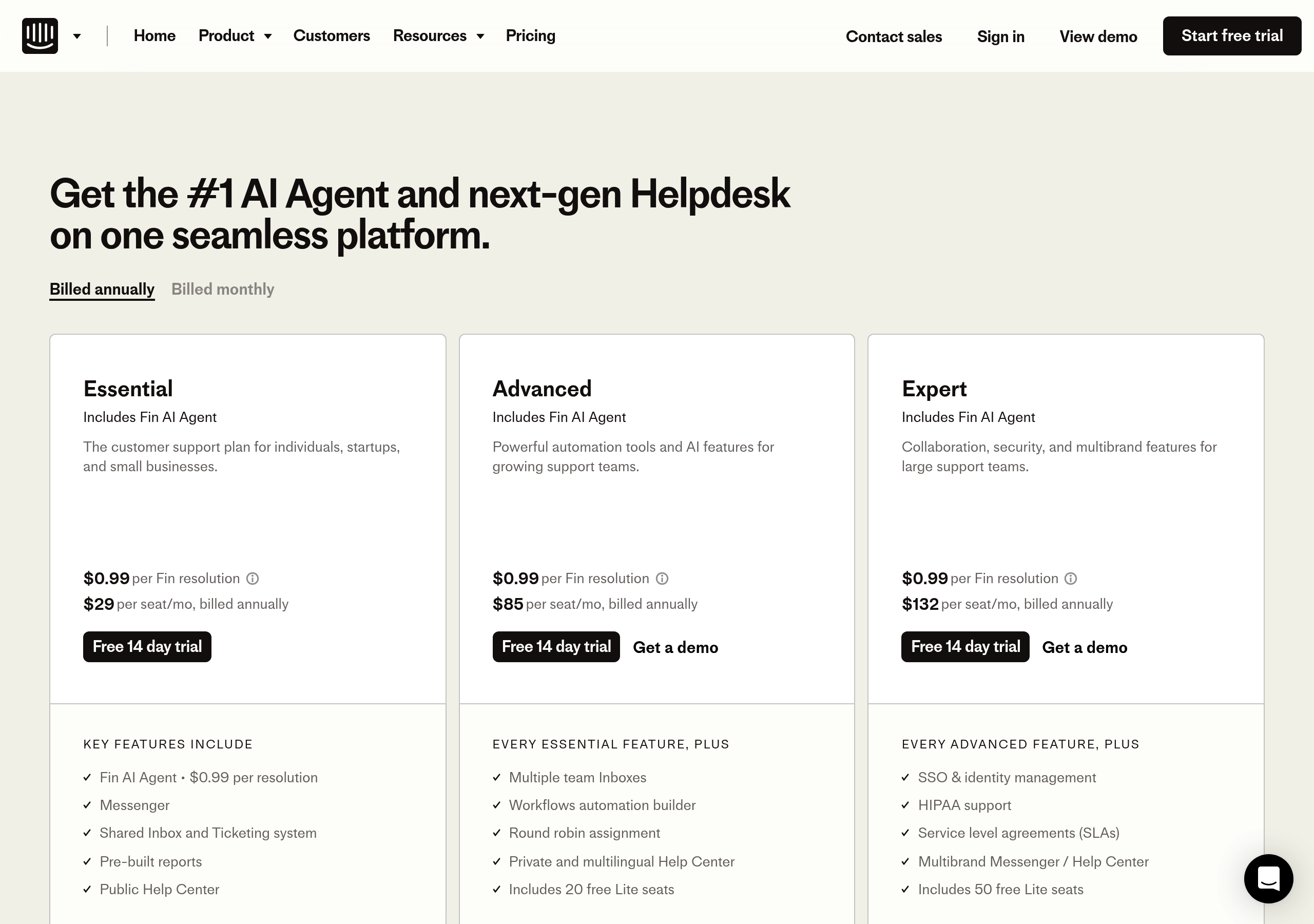
Starter, Pro, Enterprise. Most common pattern. Middle tier is usually highlighted as recommended.
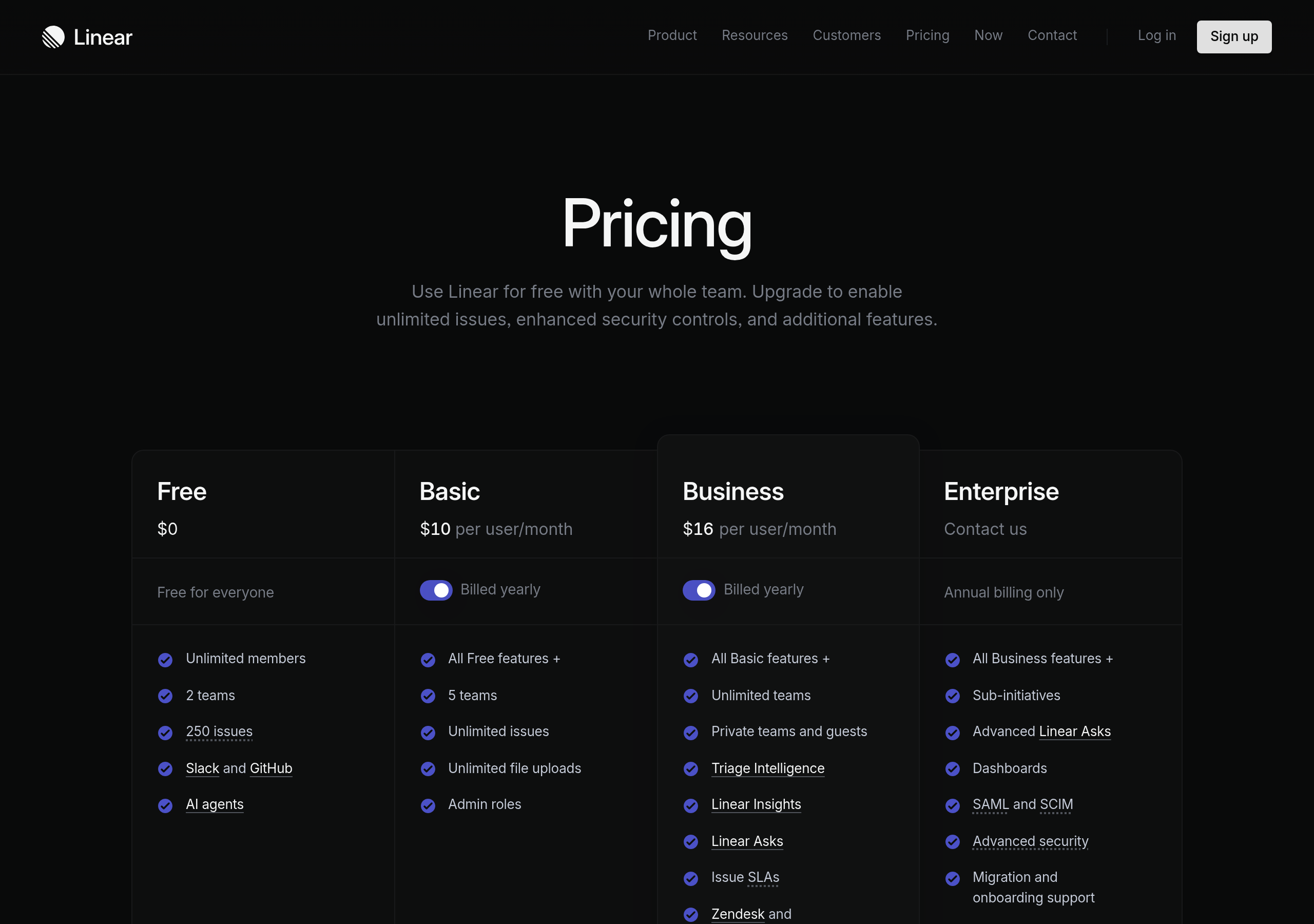
- •Linear: Free, Teams, Enterprise with clear differentiation
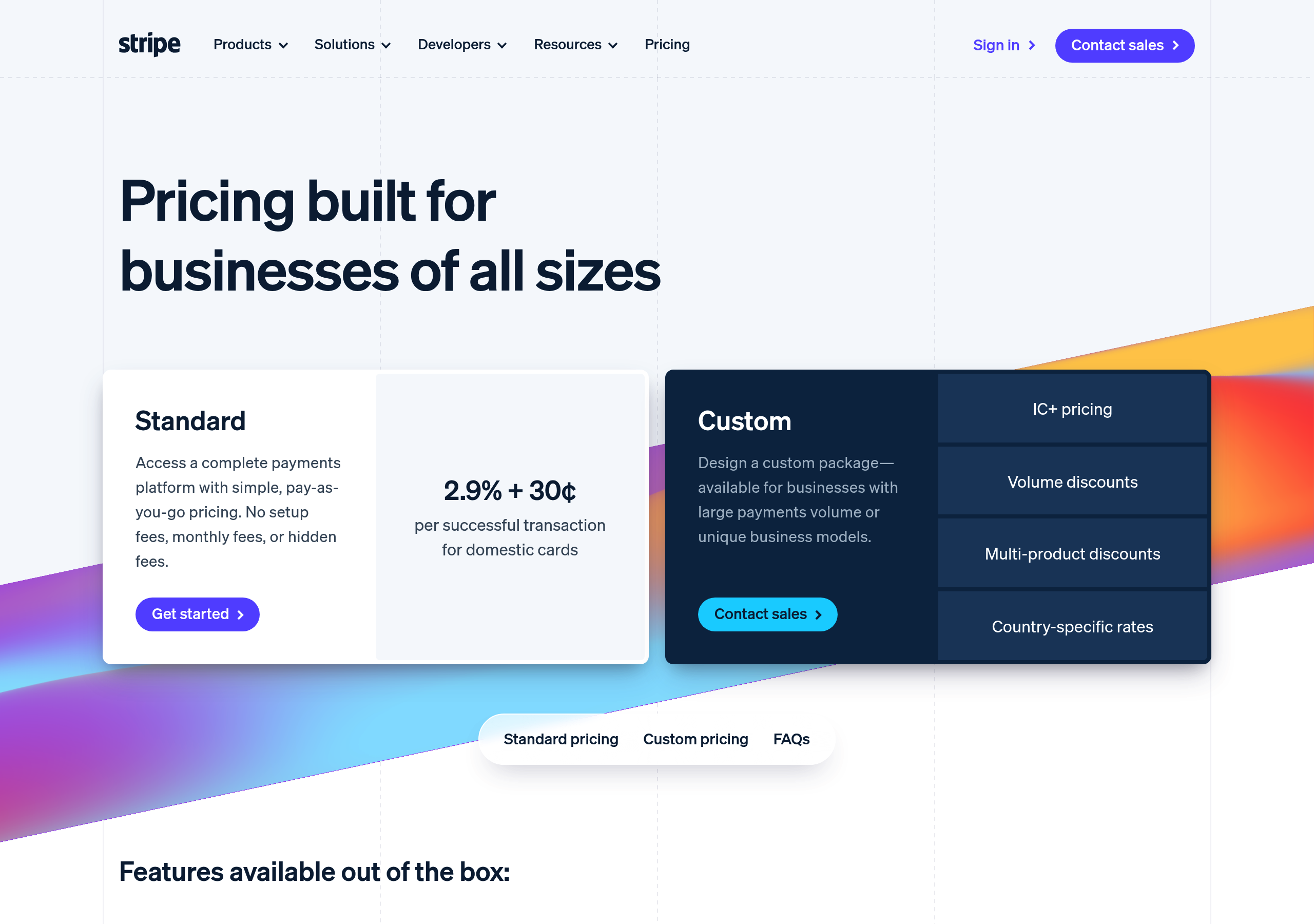
- •Stripe: Simple, transparent pricing with usage-based tiers
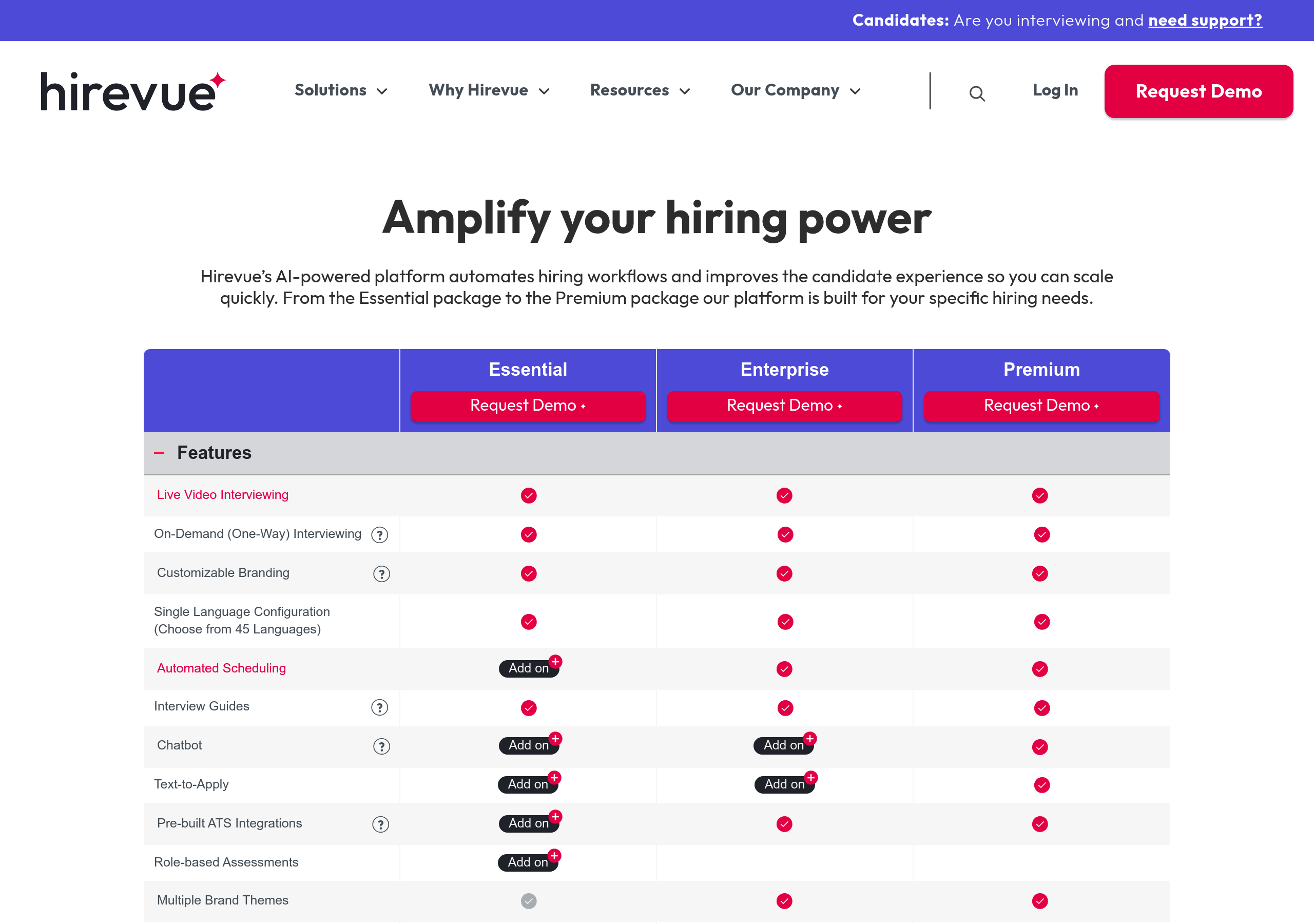
Feature comparison table
Side-by-side comparison of features across plans. Helps users understand differences clearly.
- •GitHub: Detailed feature comparison table
- •Notion: Feature grid showing what's included in each plan
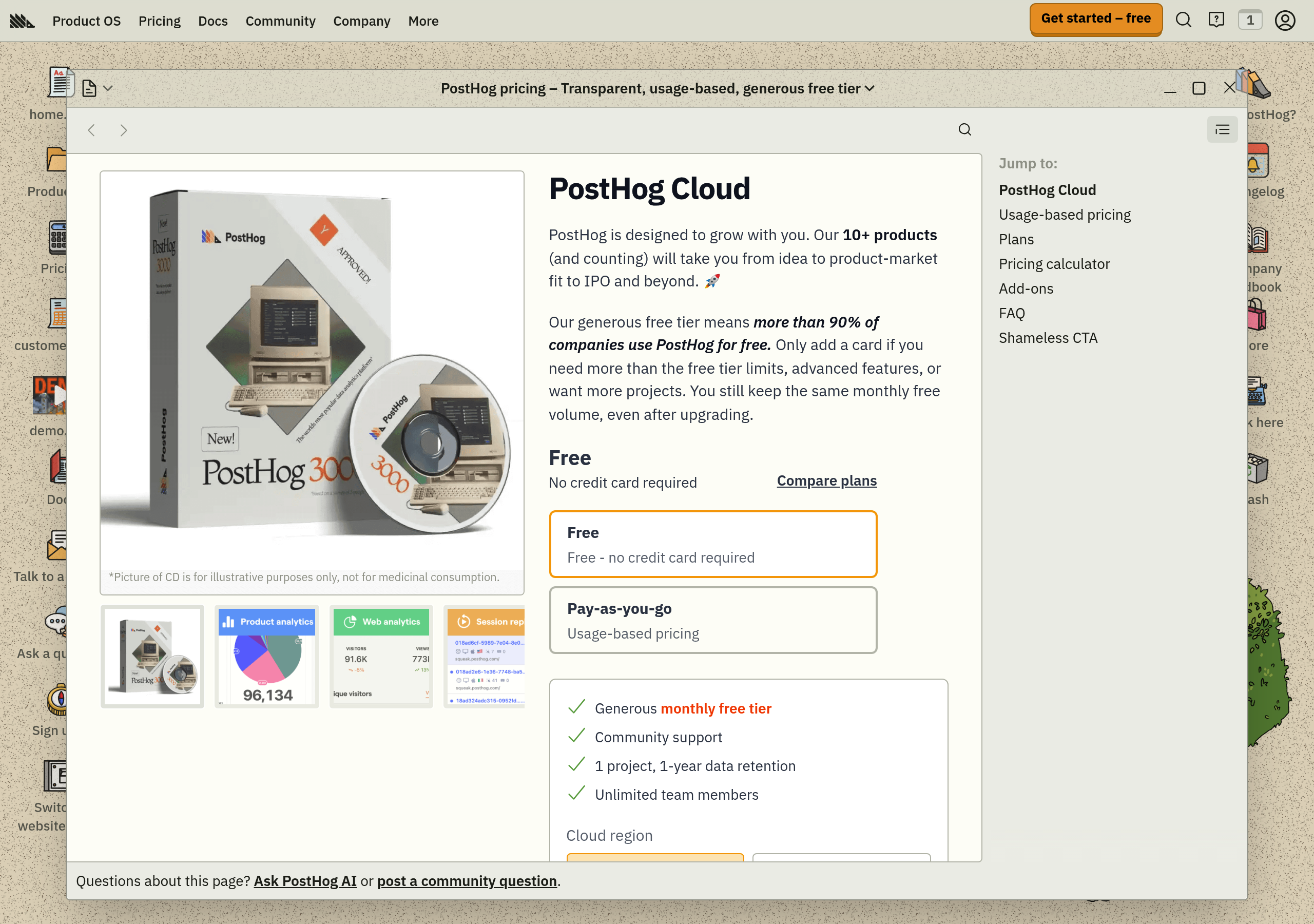
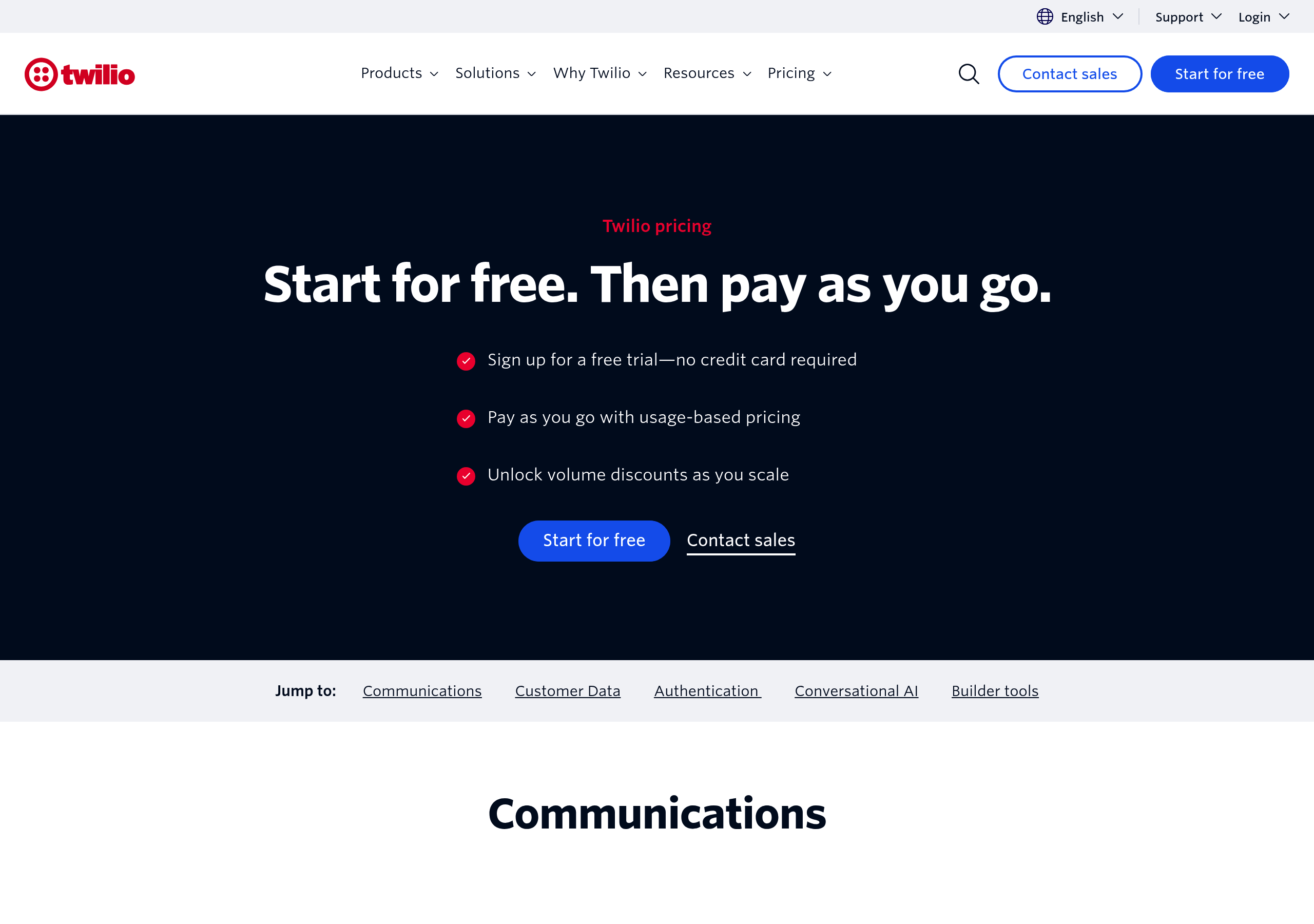
Usage-based pricing
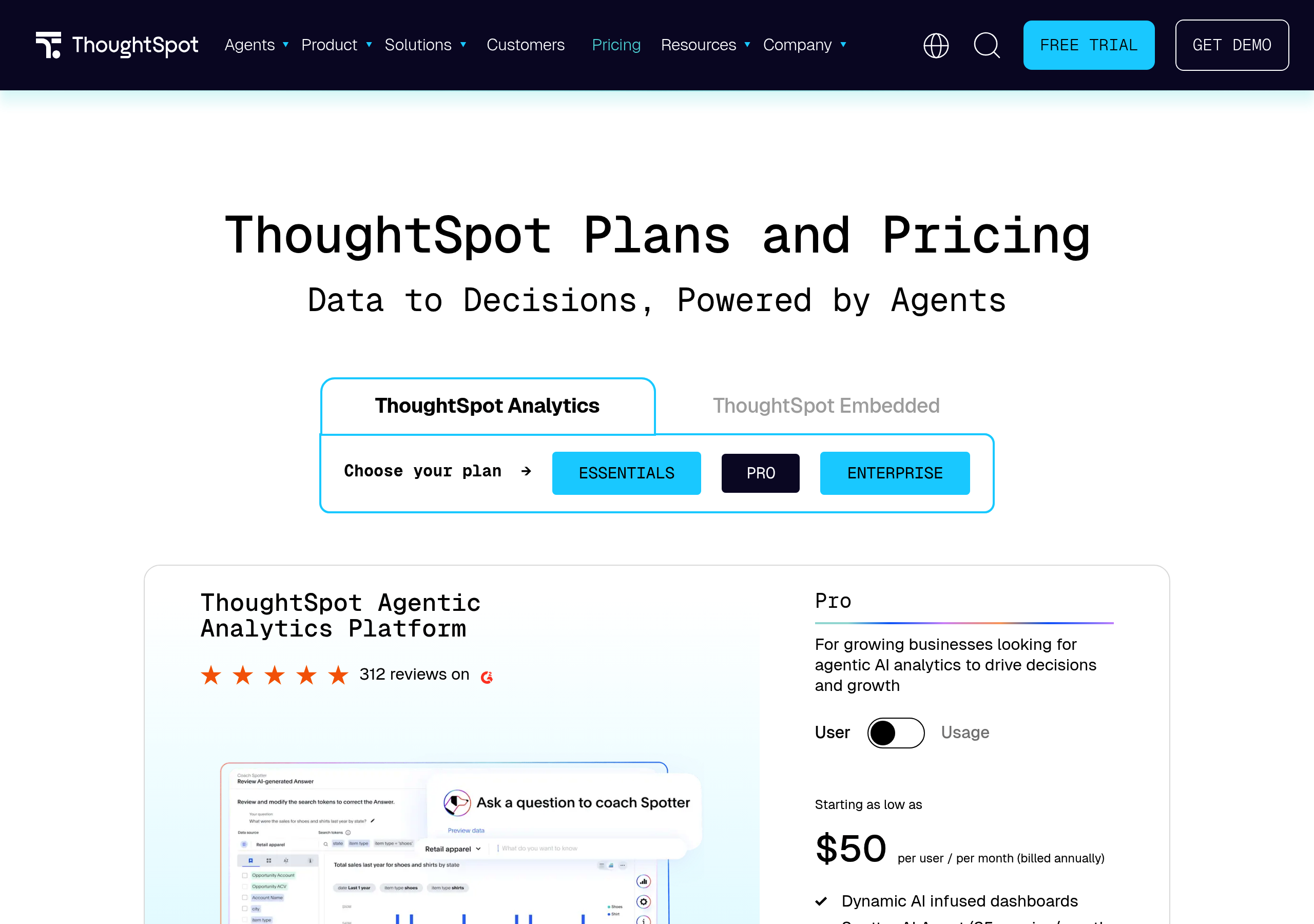
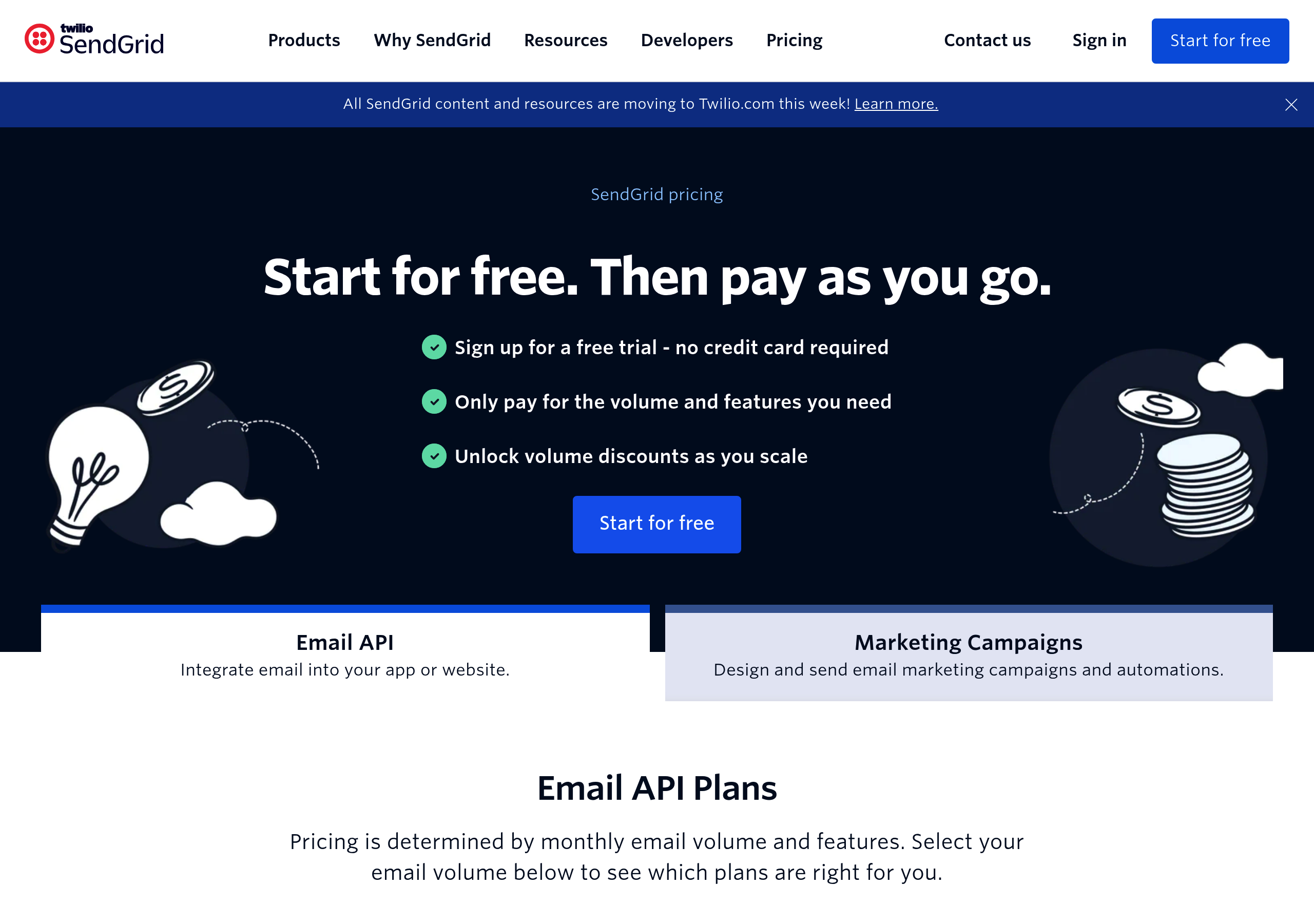
Pricing based on usage metrics (API calls, storage, users). Common for developer tools.
- •Vercel: Pricing based on bandwidth and build minutes
- •Stripe: Transaction-based pricing model
Custom pricing
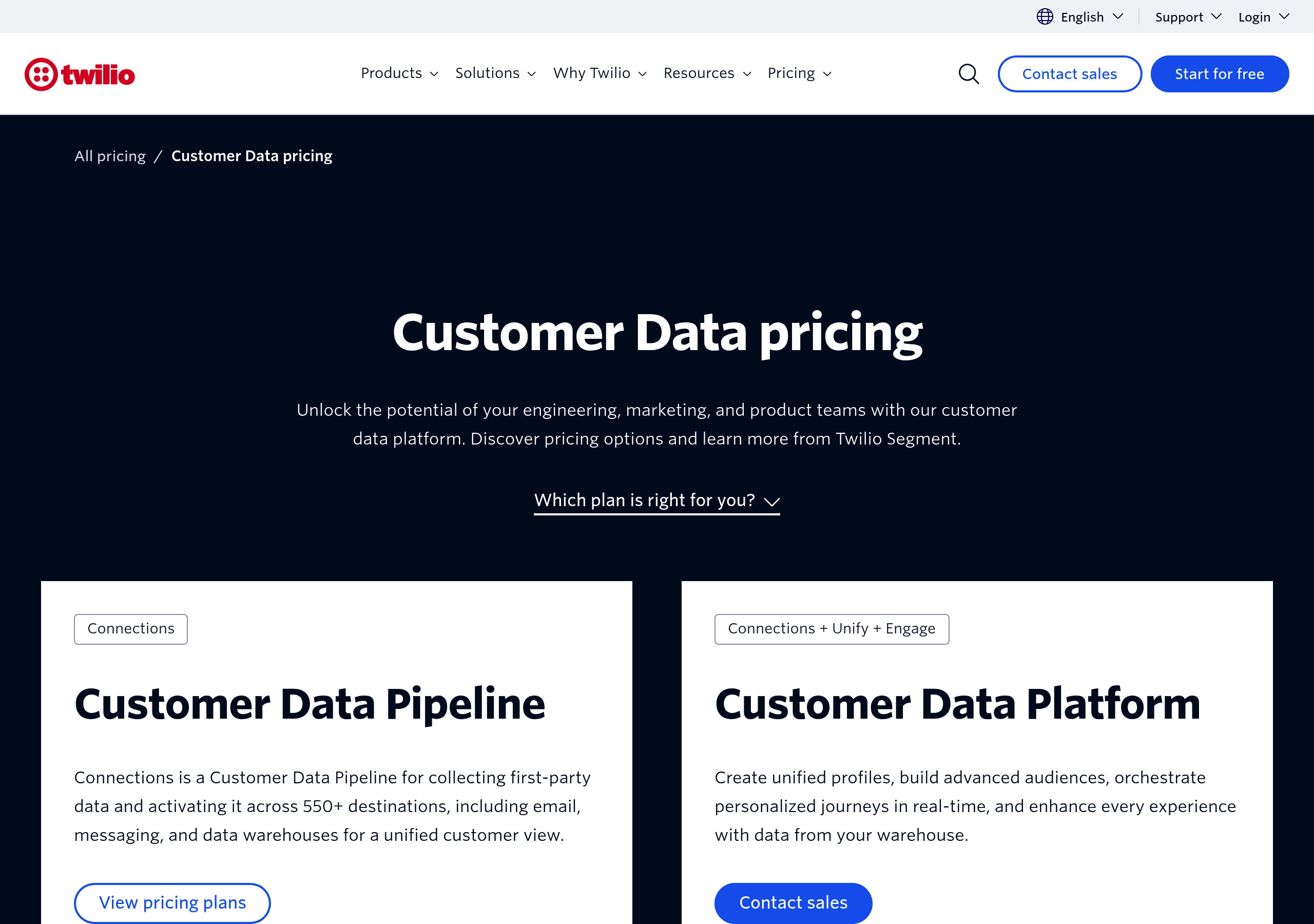
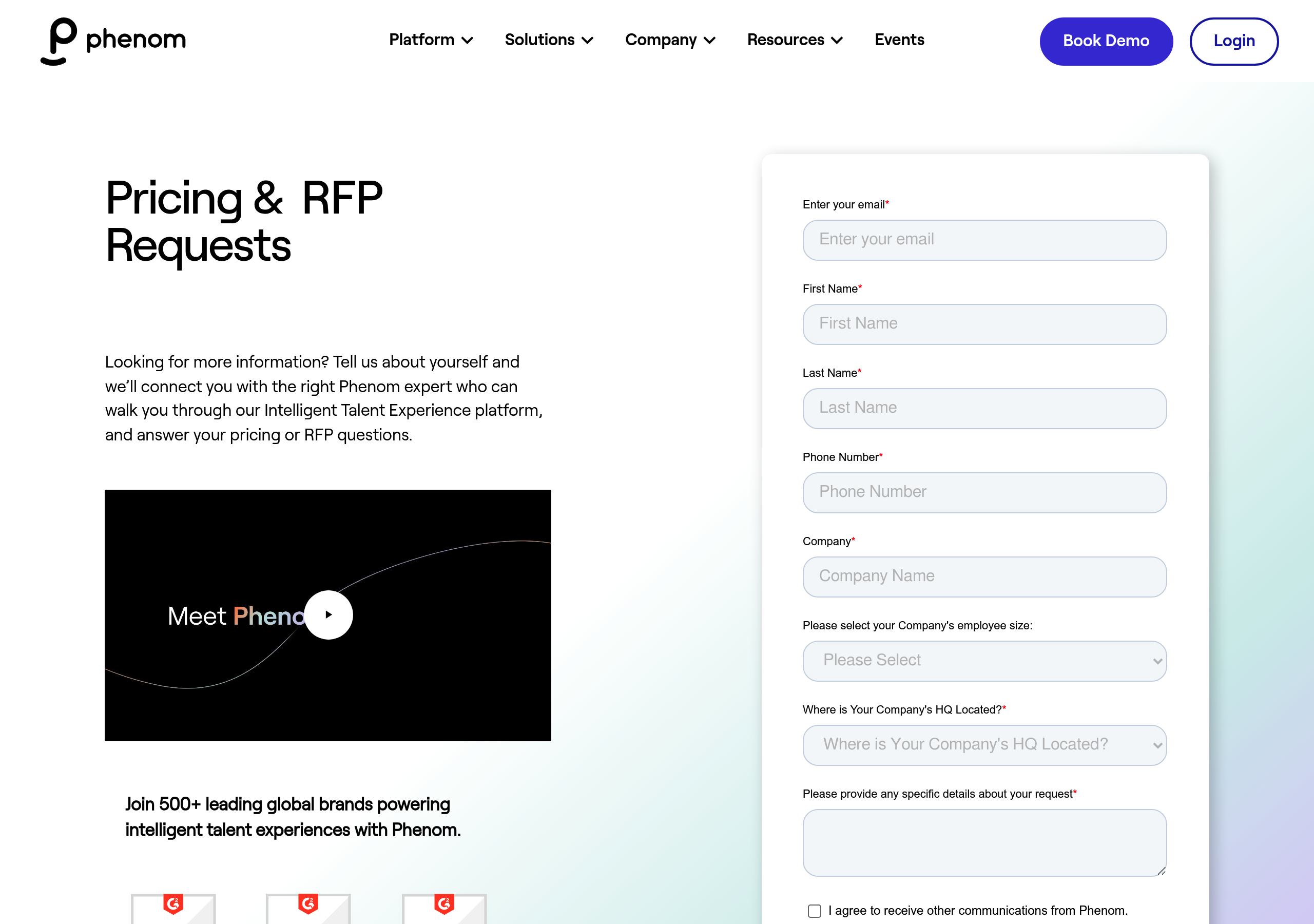
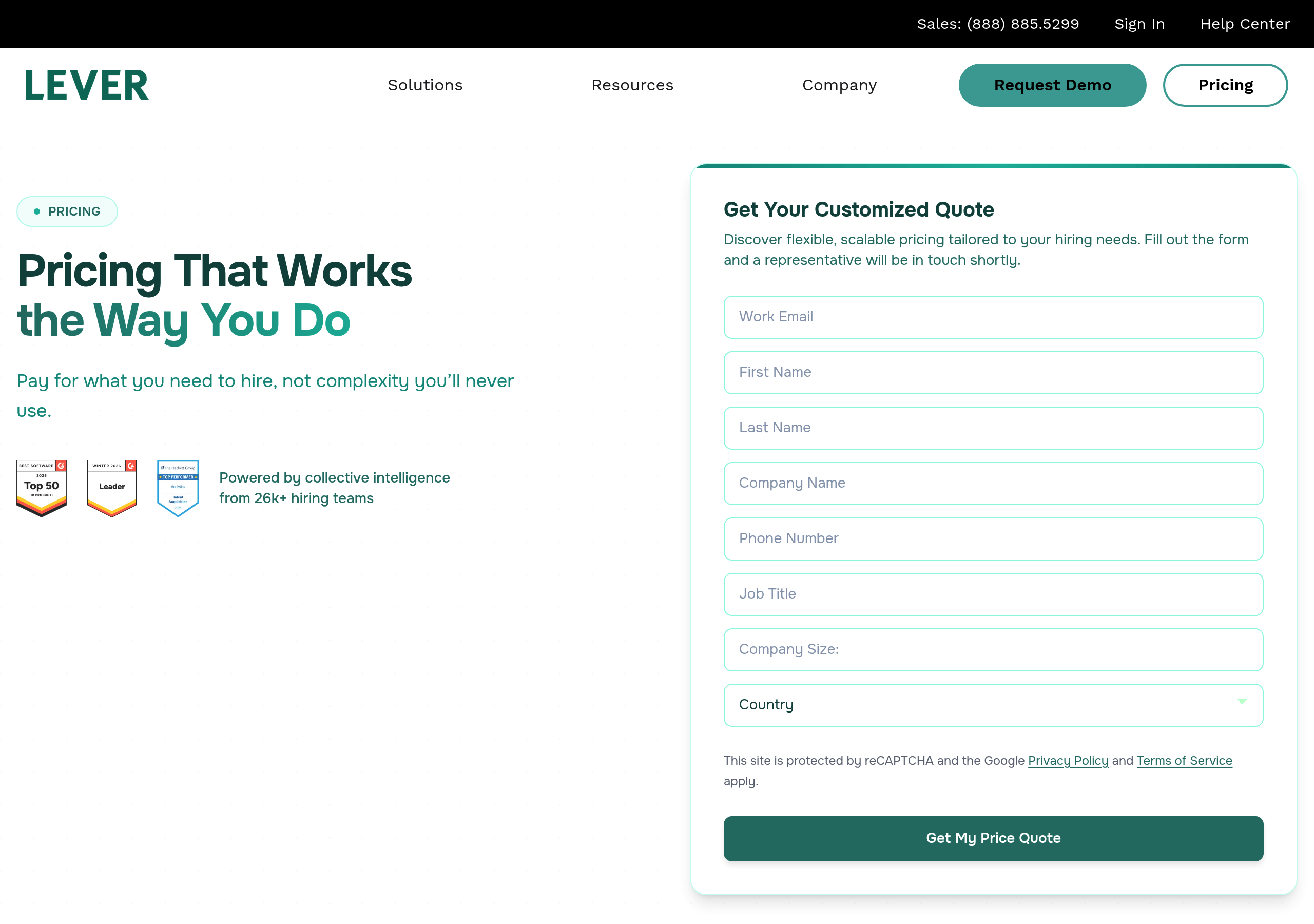
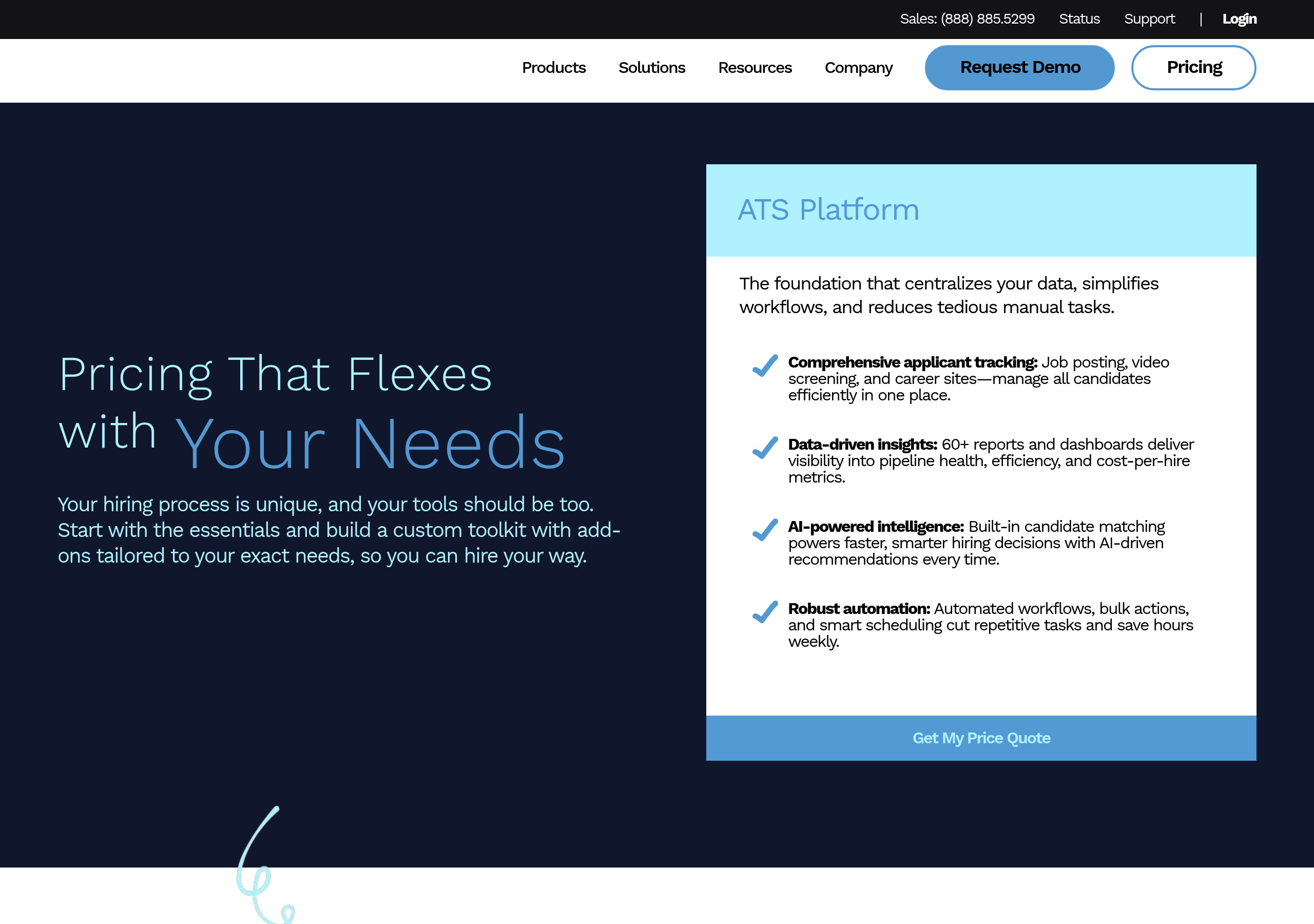
"Contact sales" for enterprise. Often combined with self-serve plans for smaller customers.
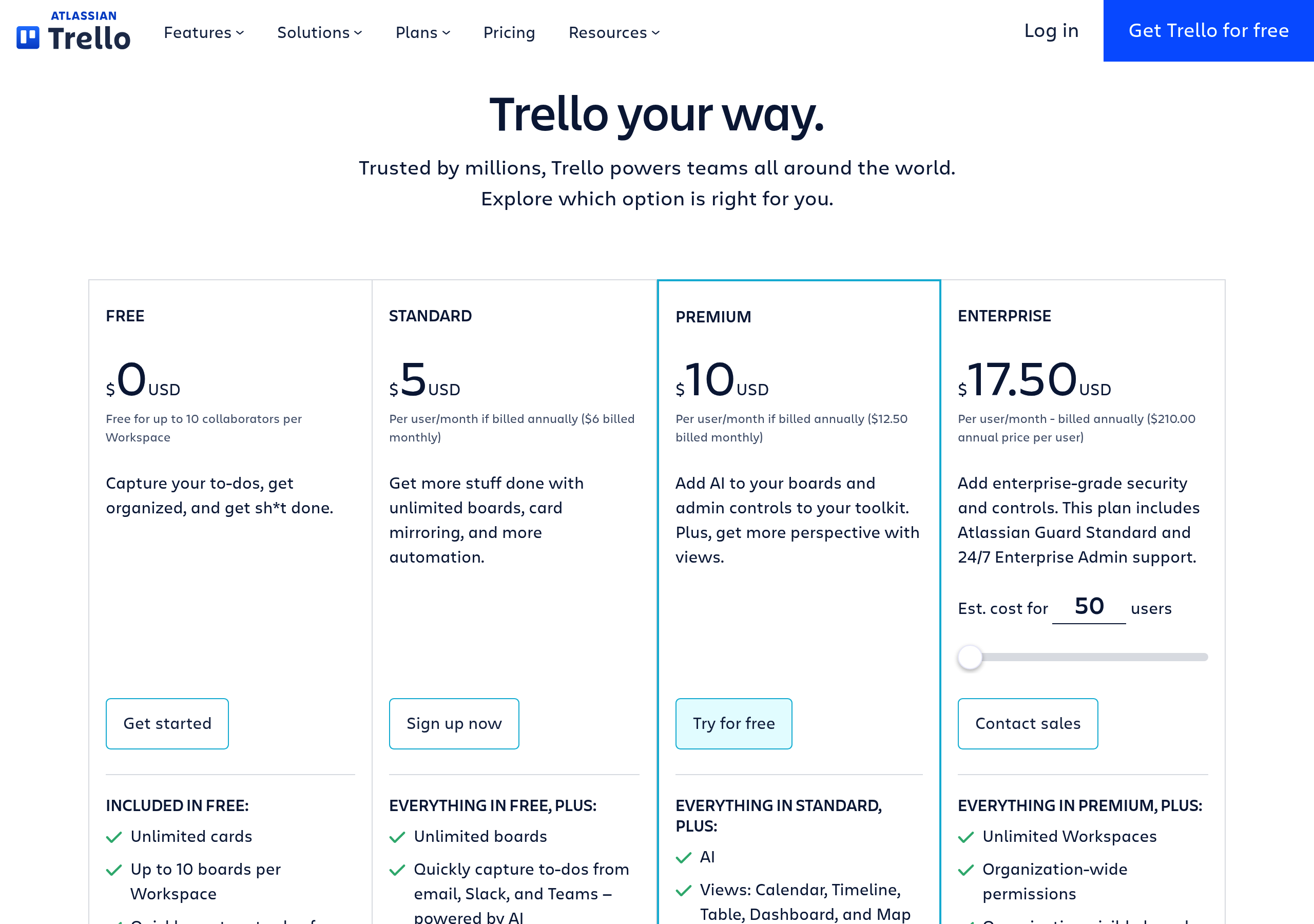
- •Atlassian: Self-serve + enterprise sales
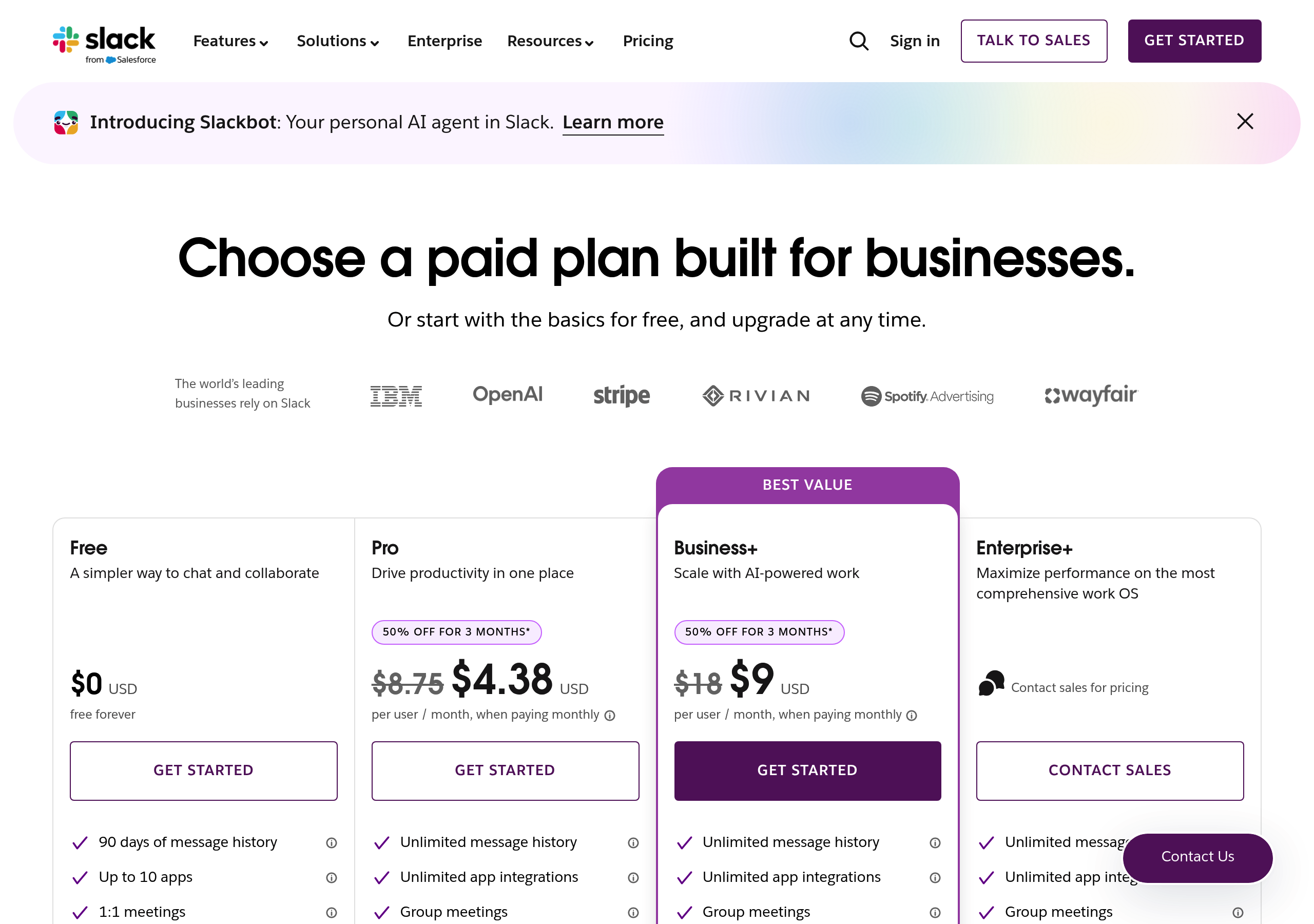
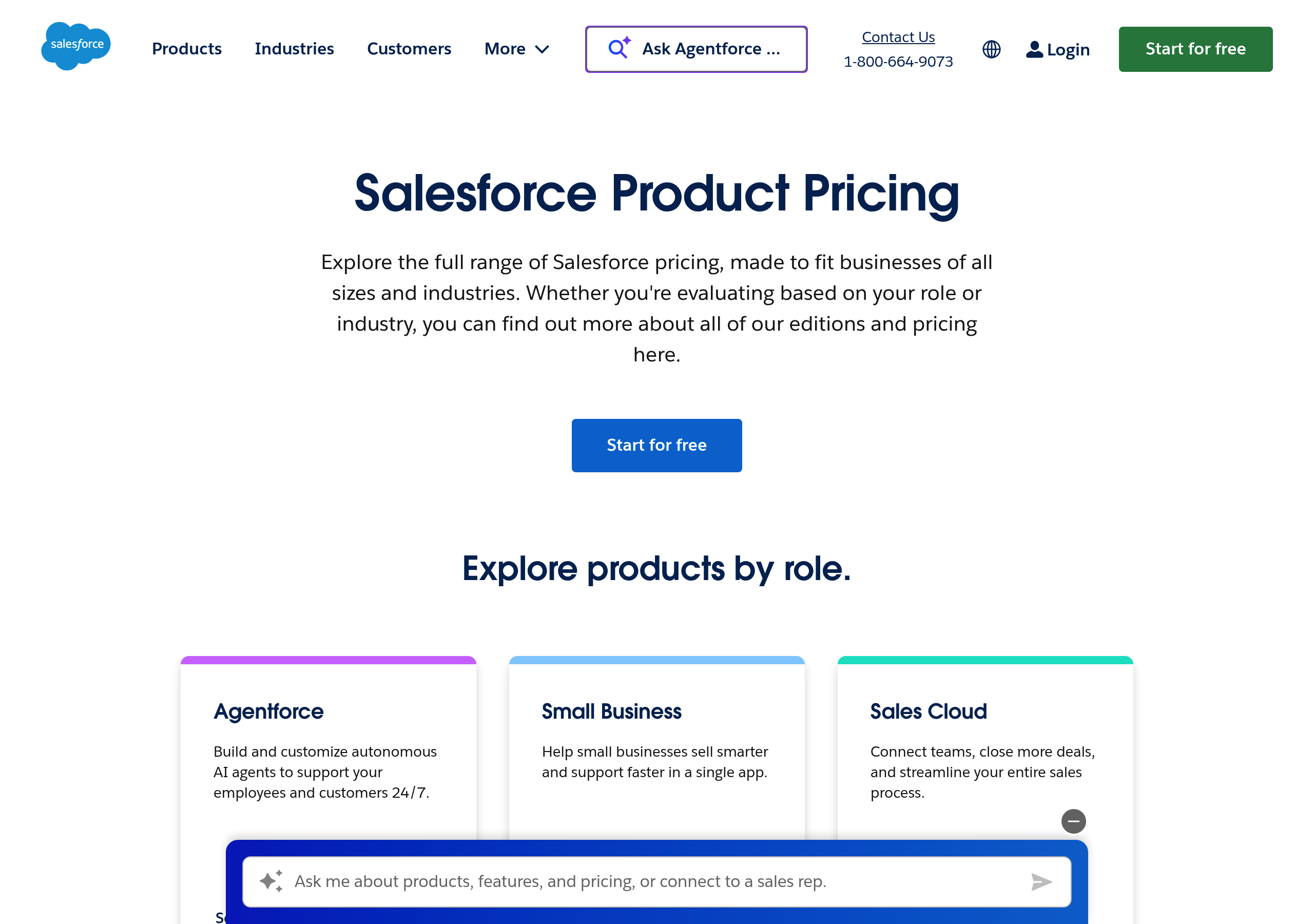
- •Salesforce: Multiple pricing models by product
Examples
Real-world implementations from top SaaS companies.
Linear
View site →Clear three-tier structure. Highlights recommended plan. Includes FAQ section addressing common questions.
Stripe
View site →Transparent, usage-based pricing. Clear explanation of fees and no hidden costs.
Vercel
View site →Developer-friendly pricing with clear usage limits. Includes calculator for estimating costs.
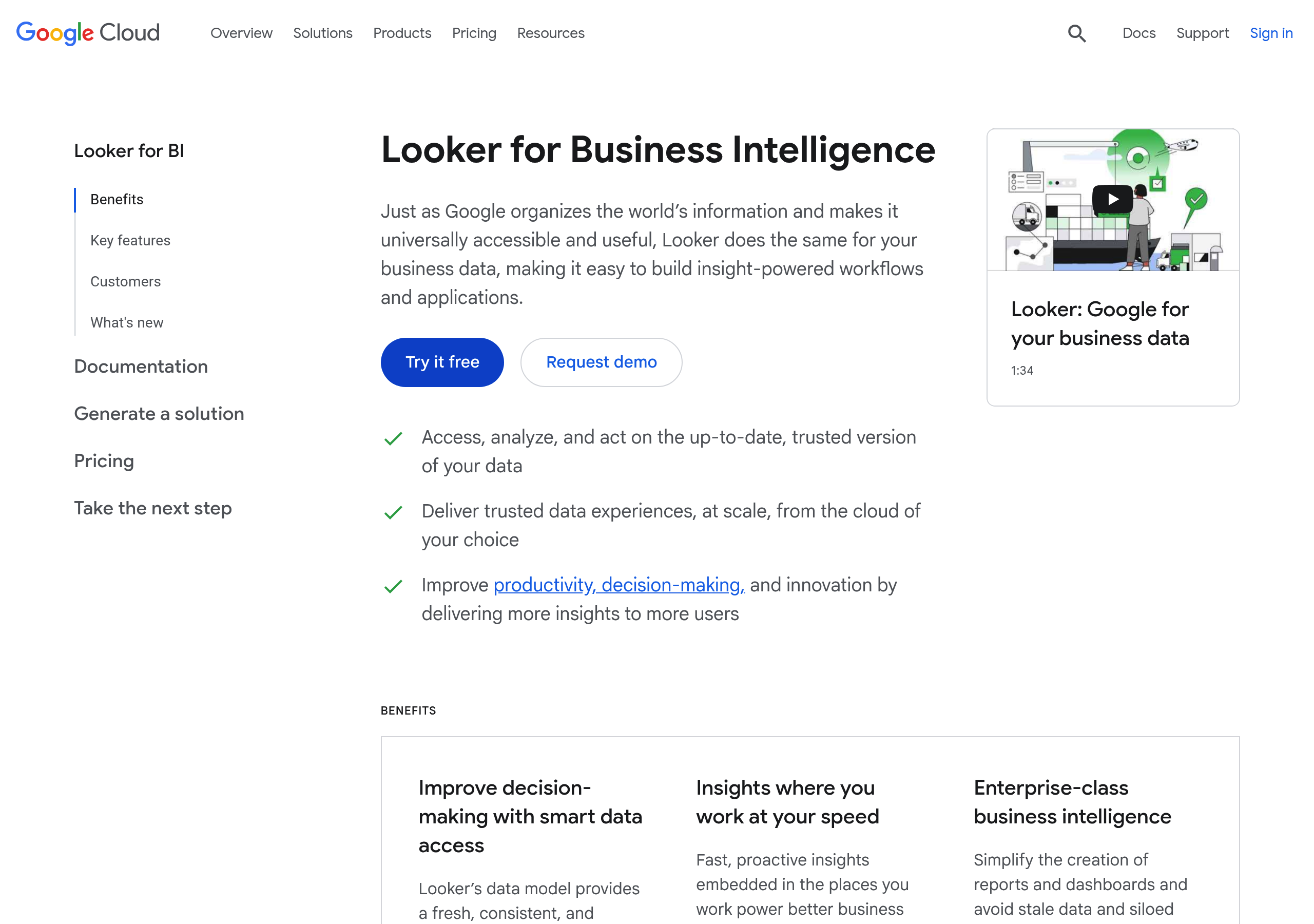
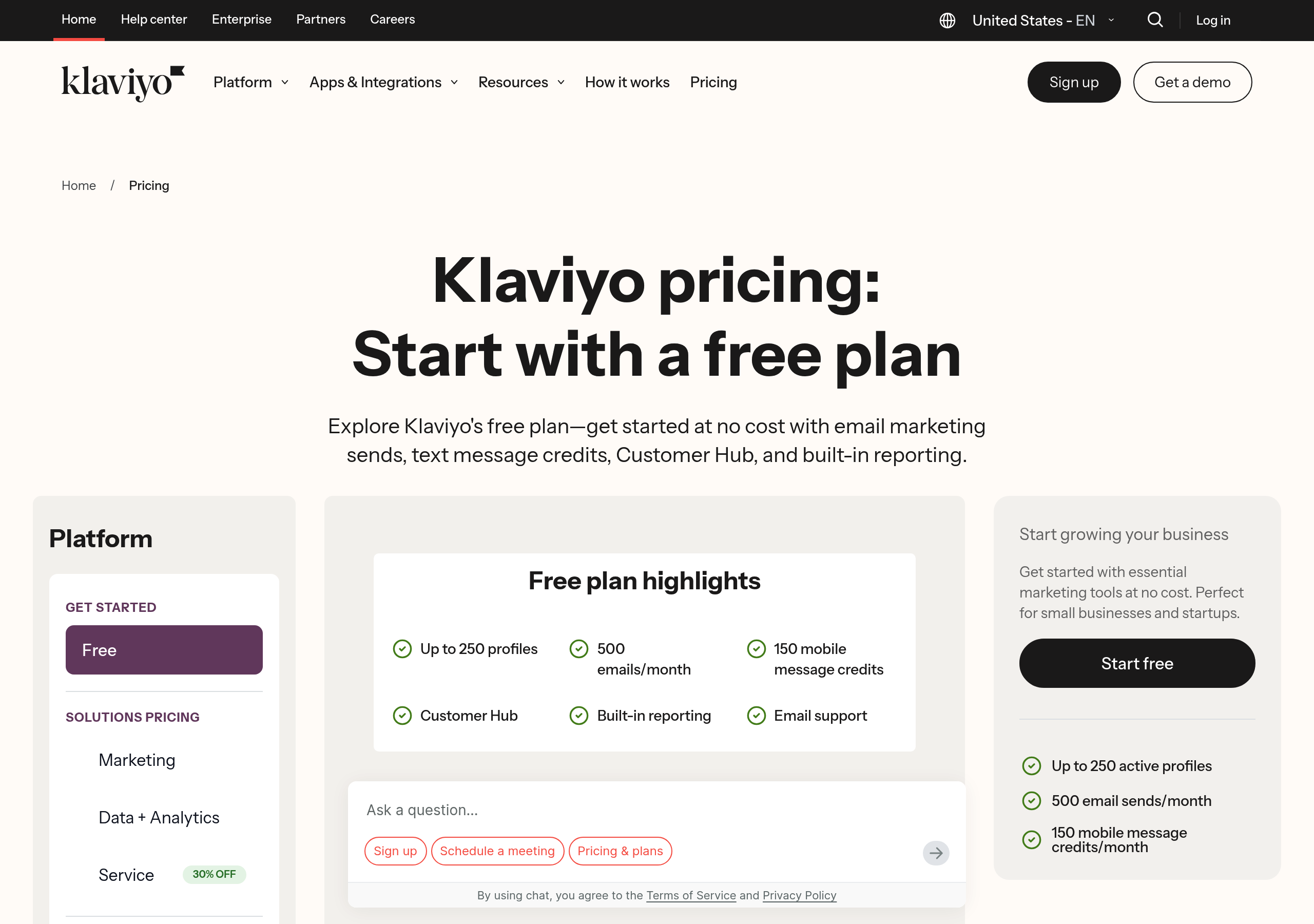
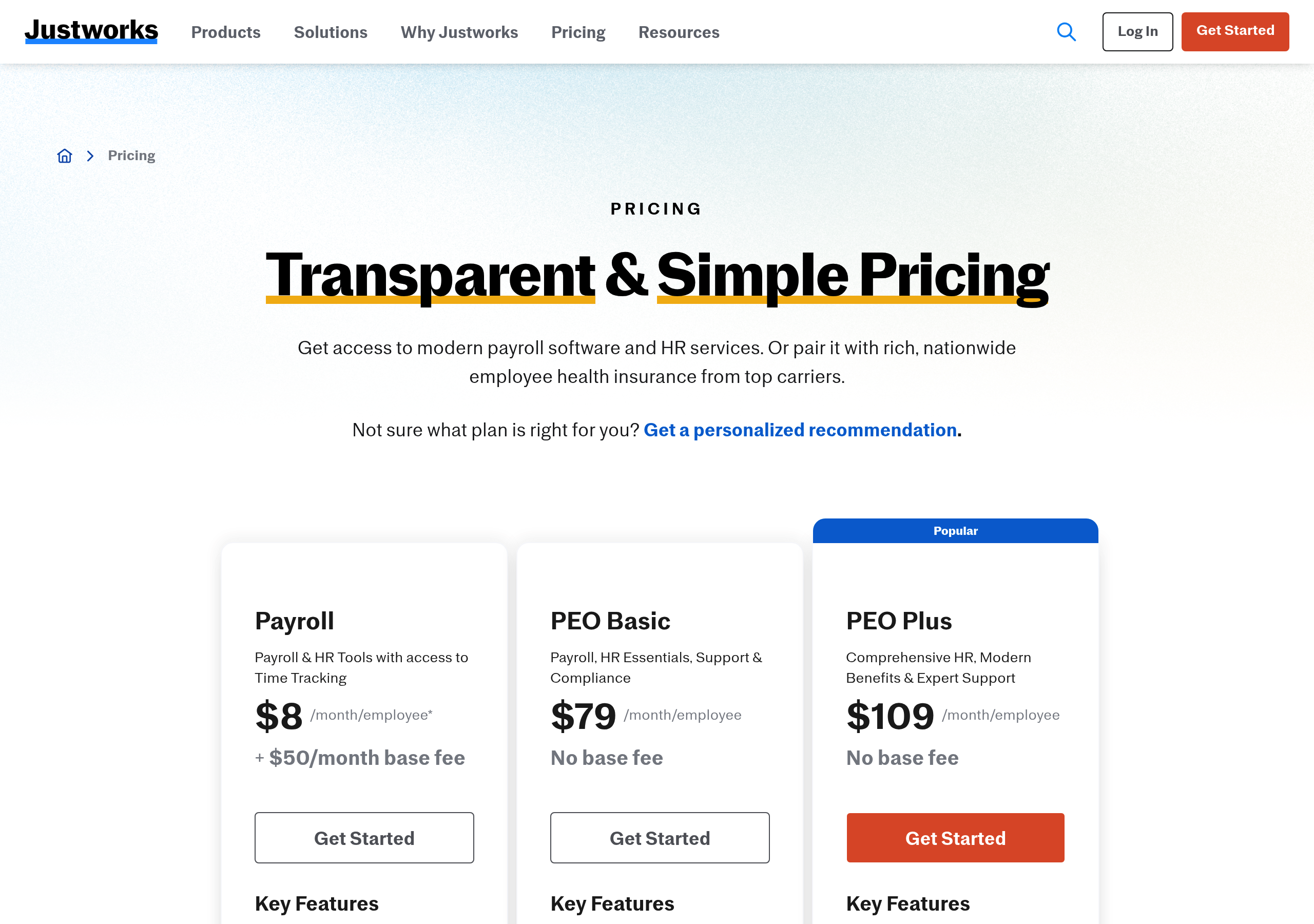
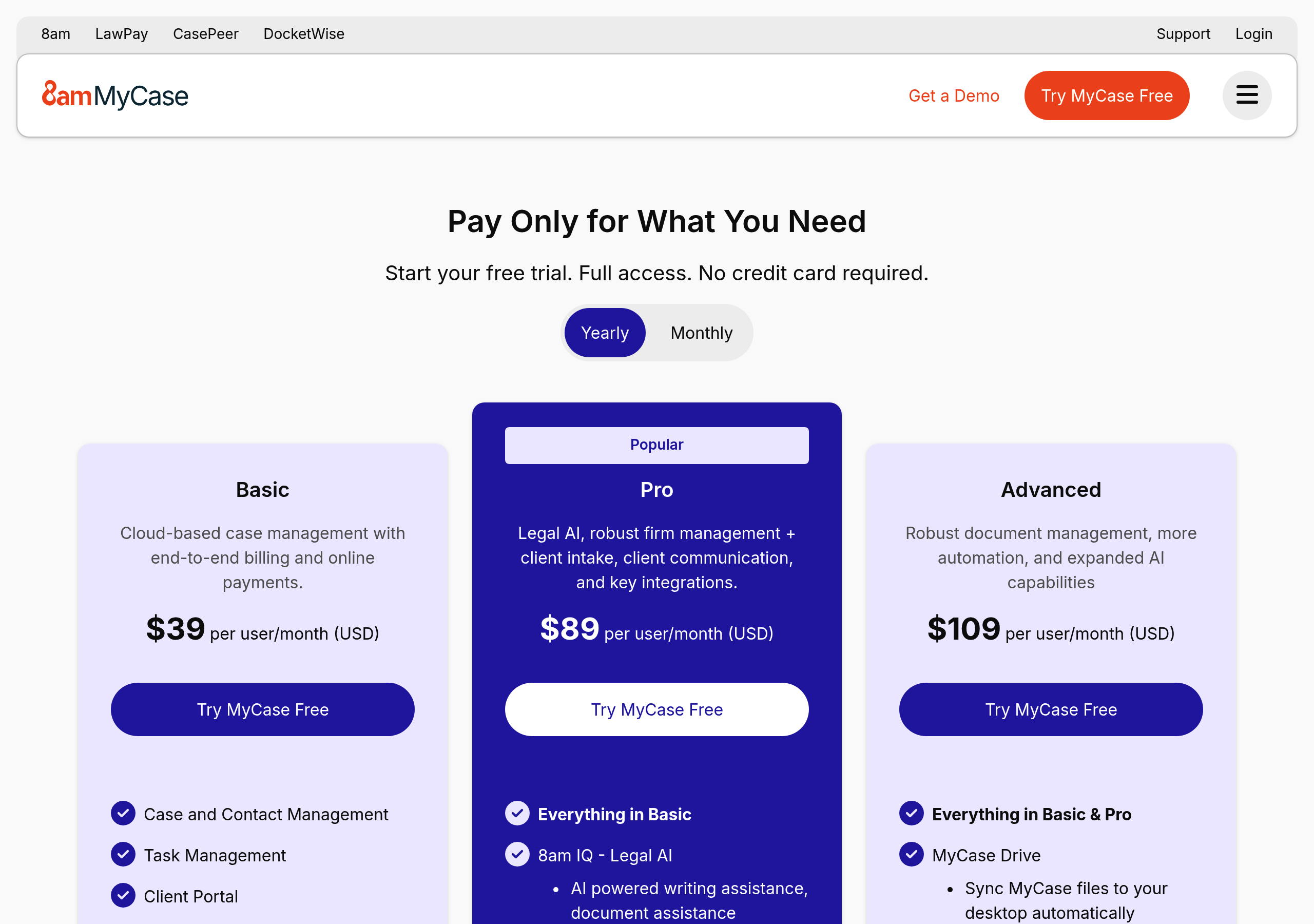
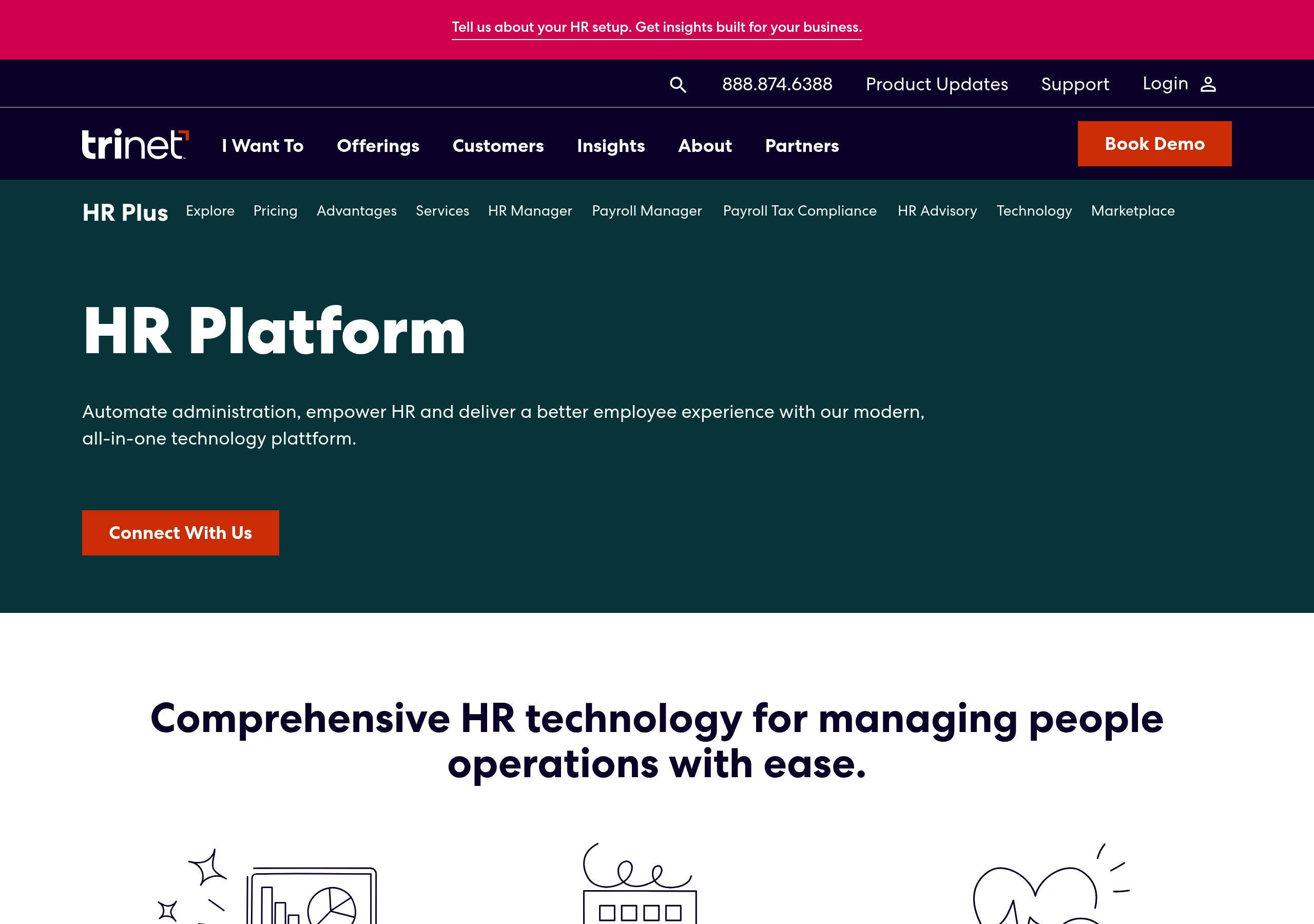
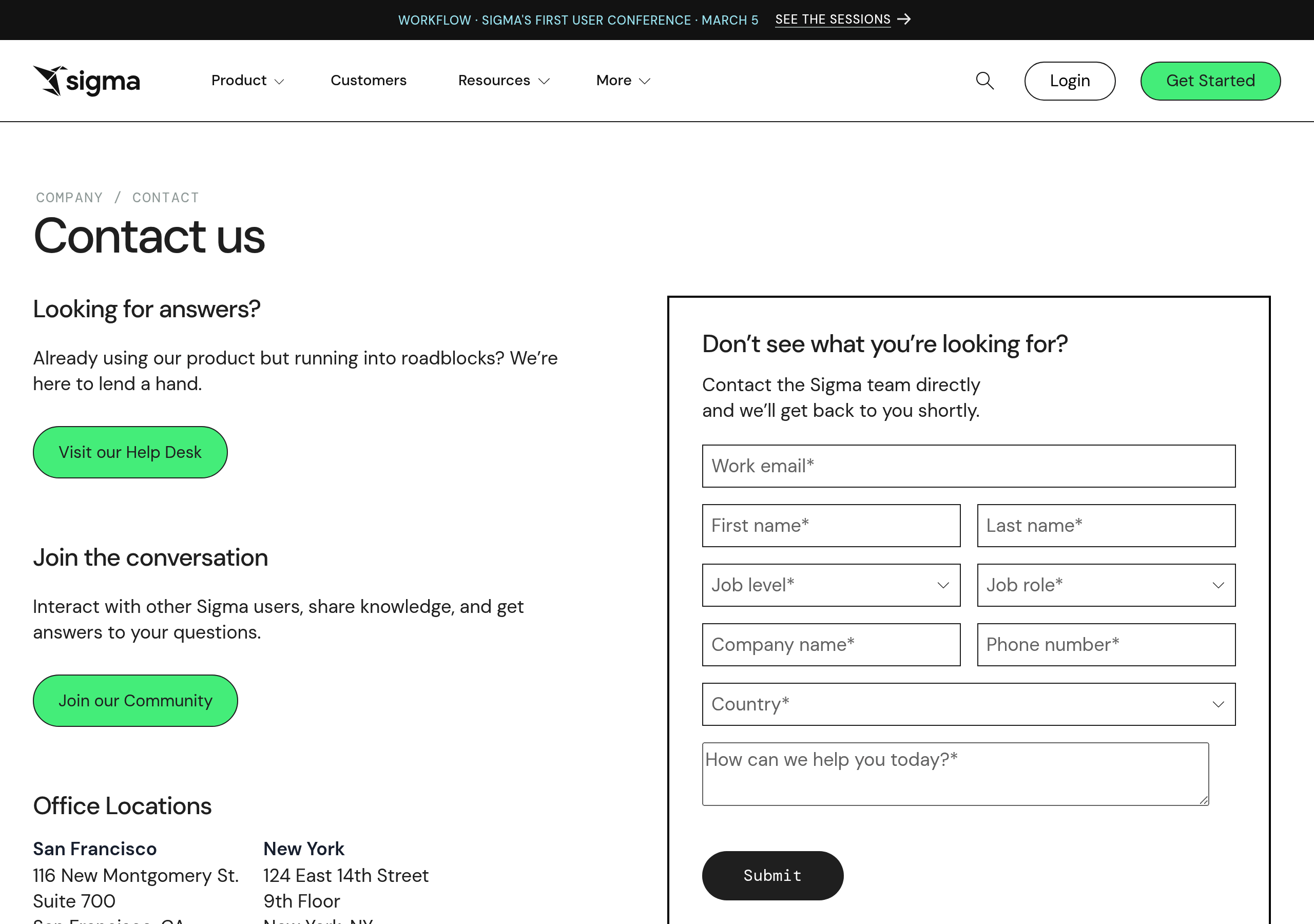
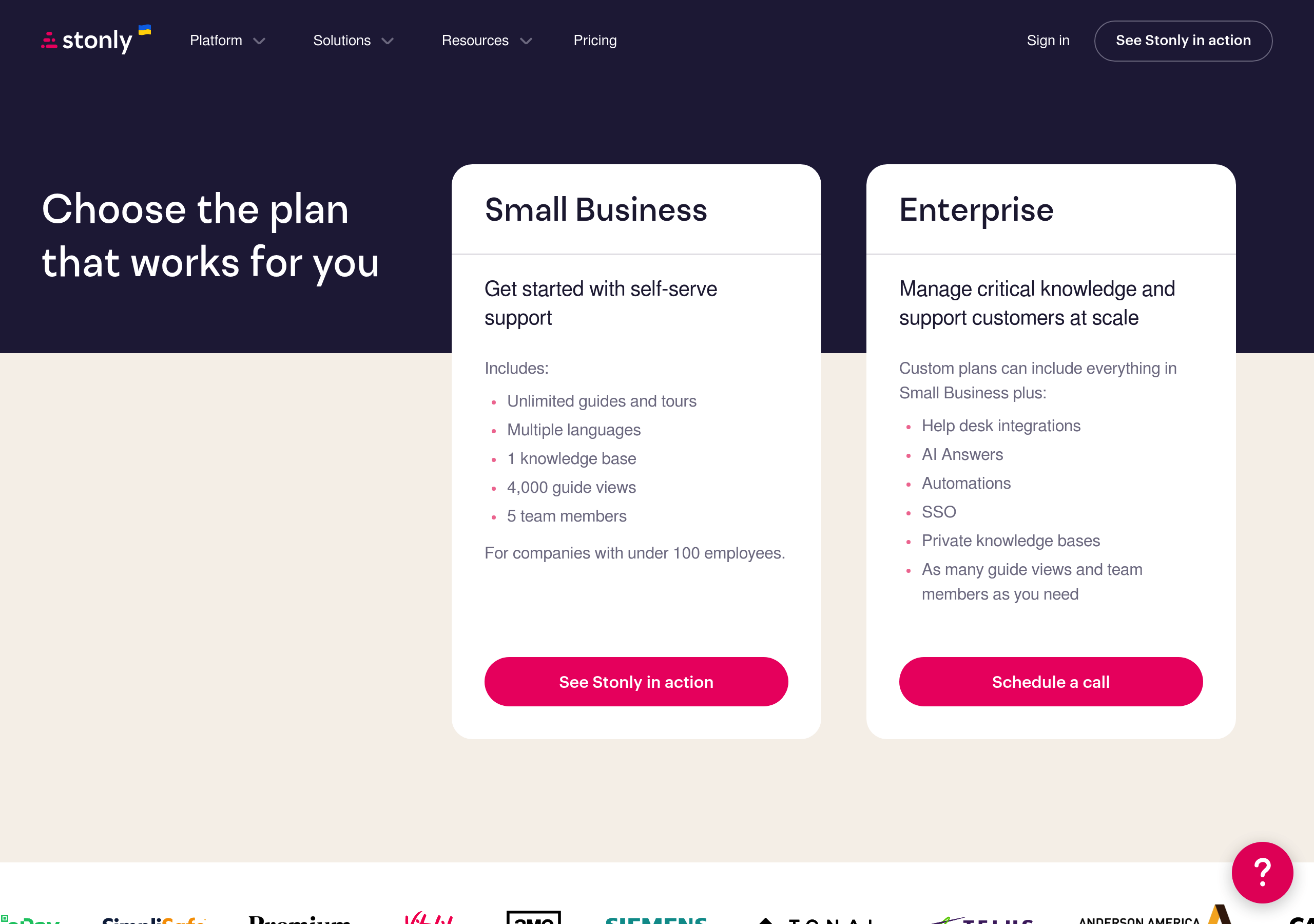
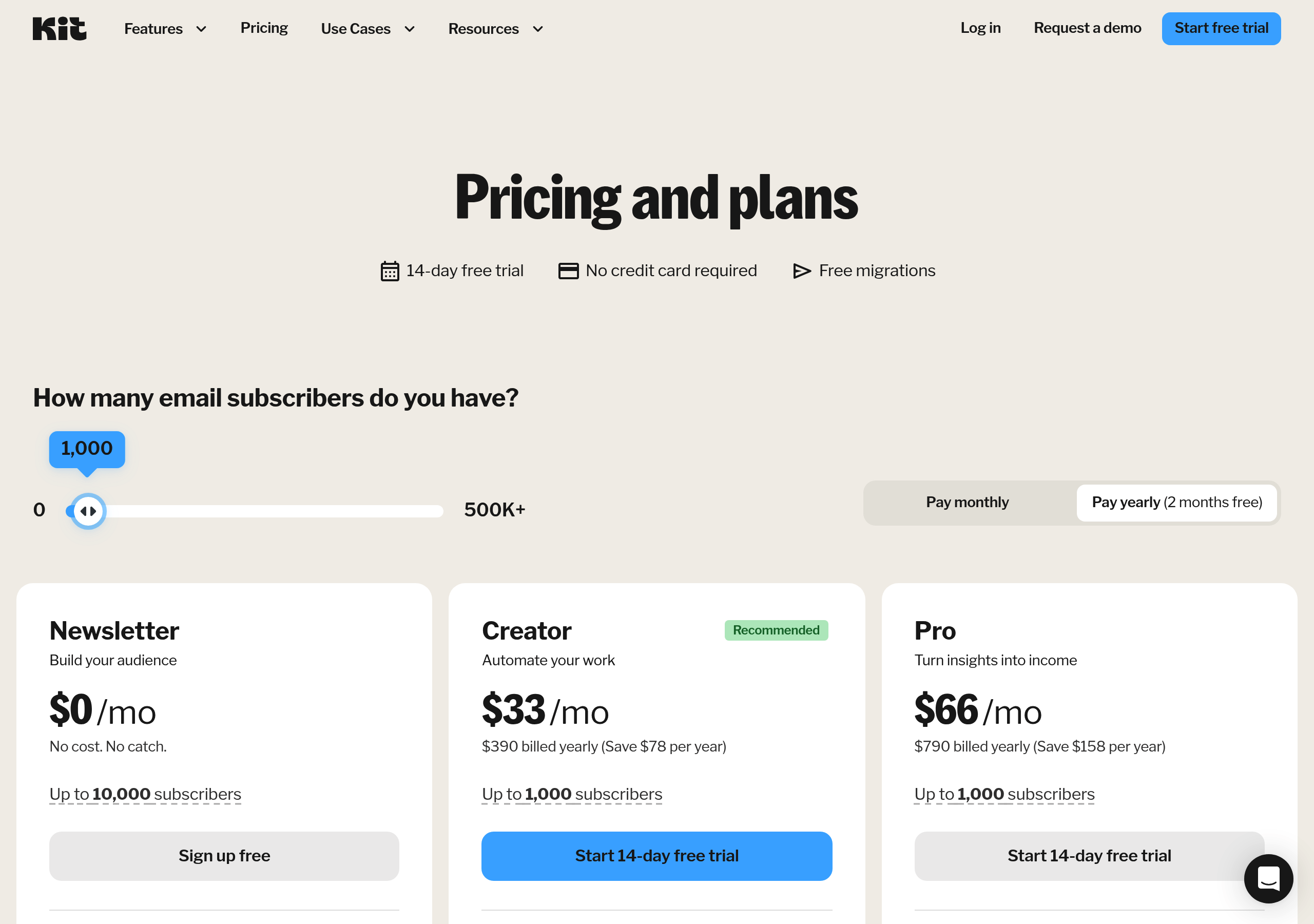
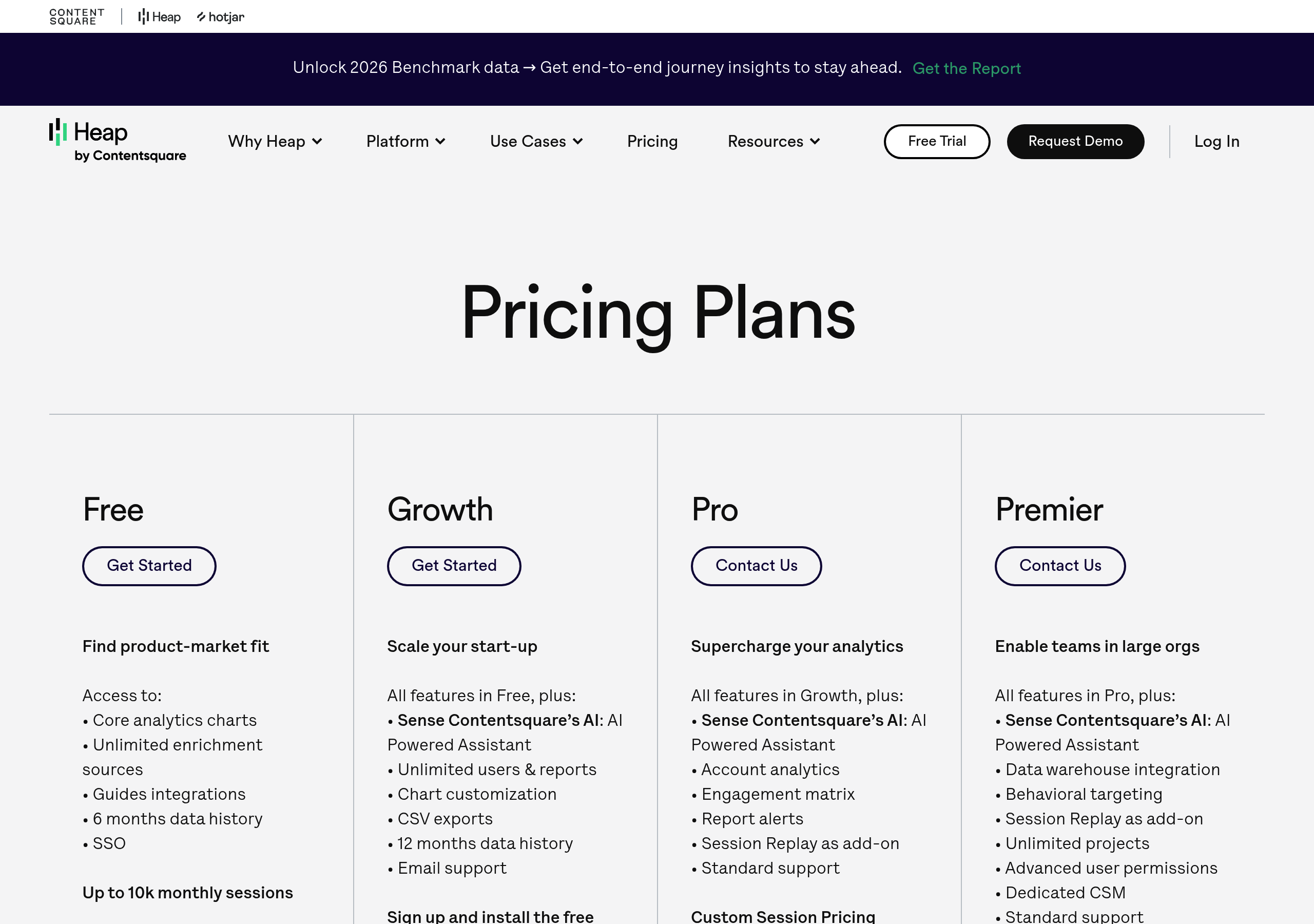
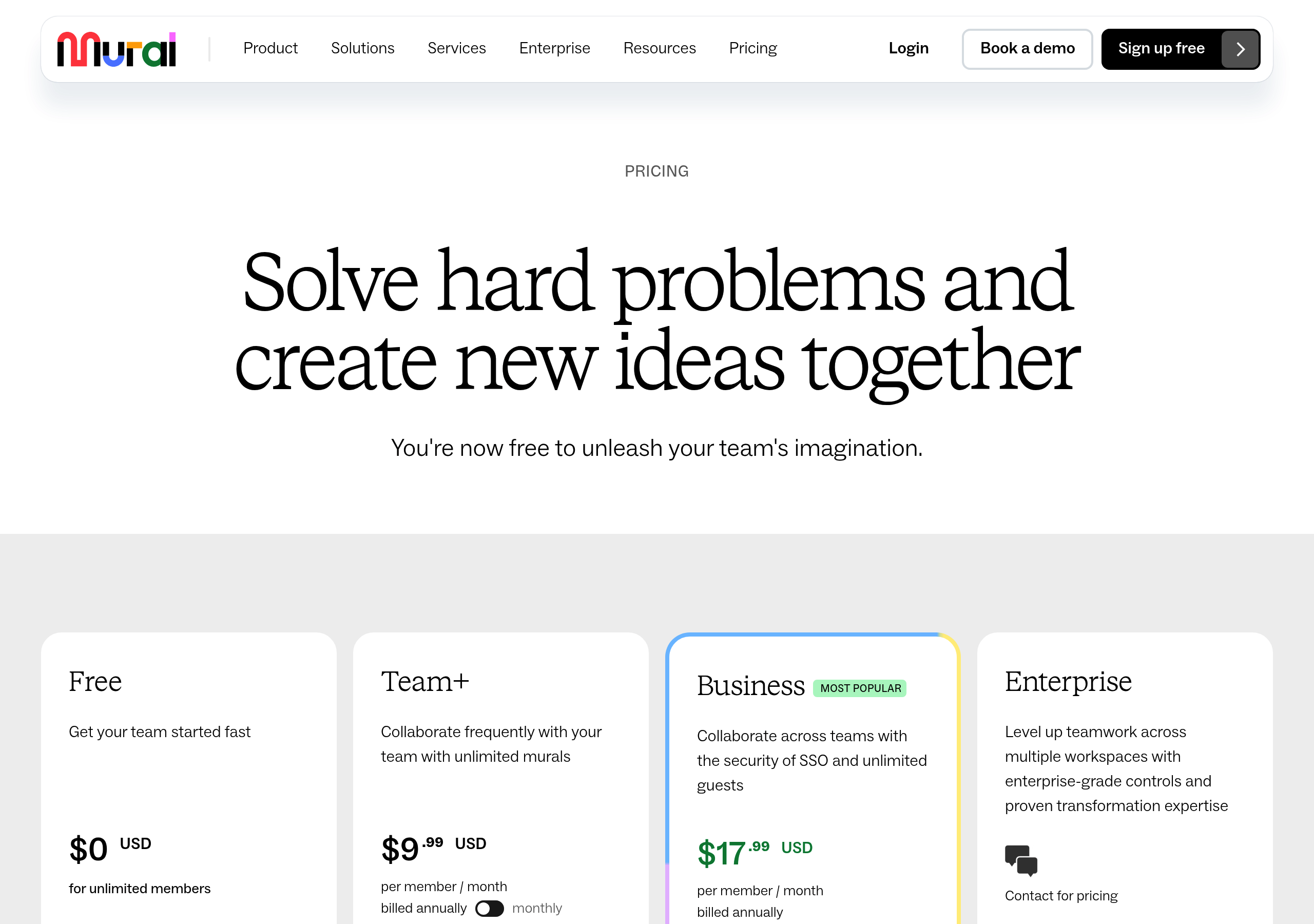
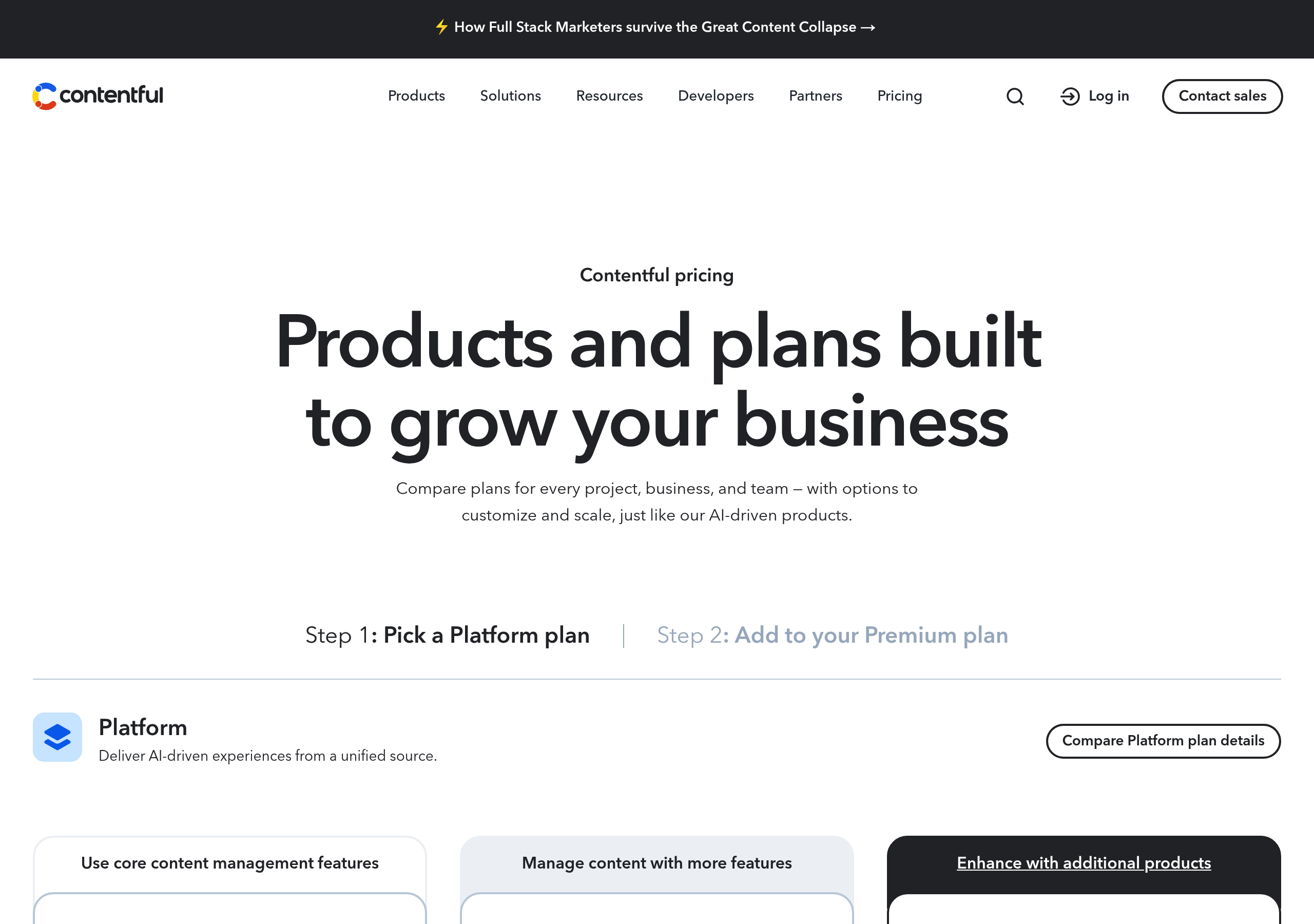
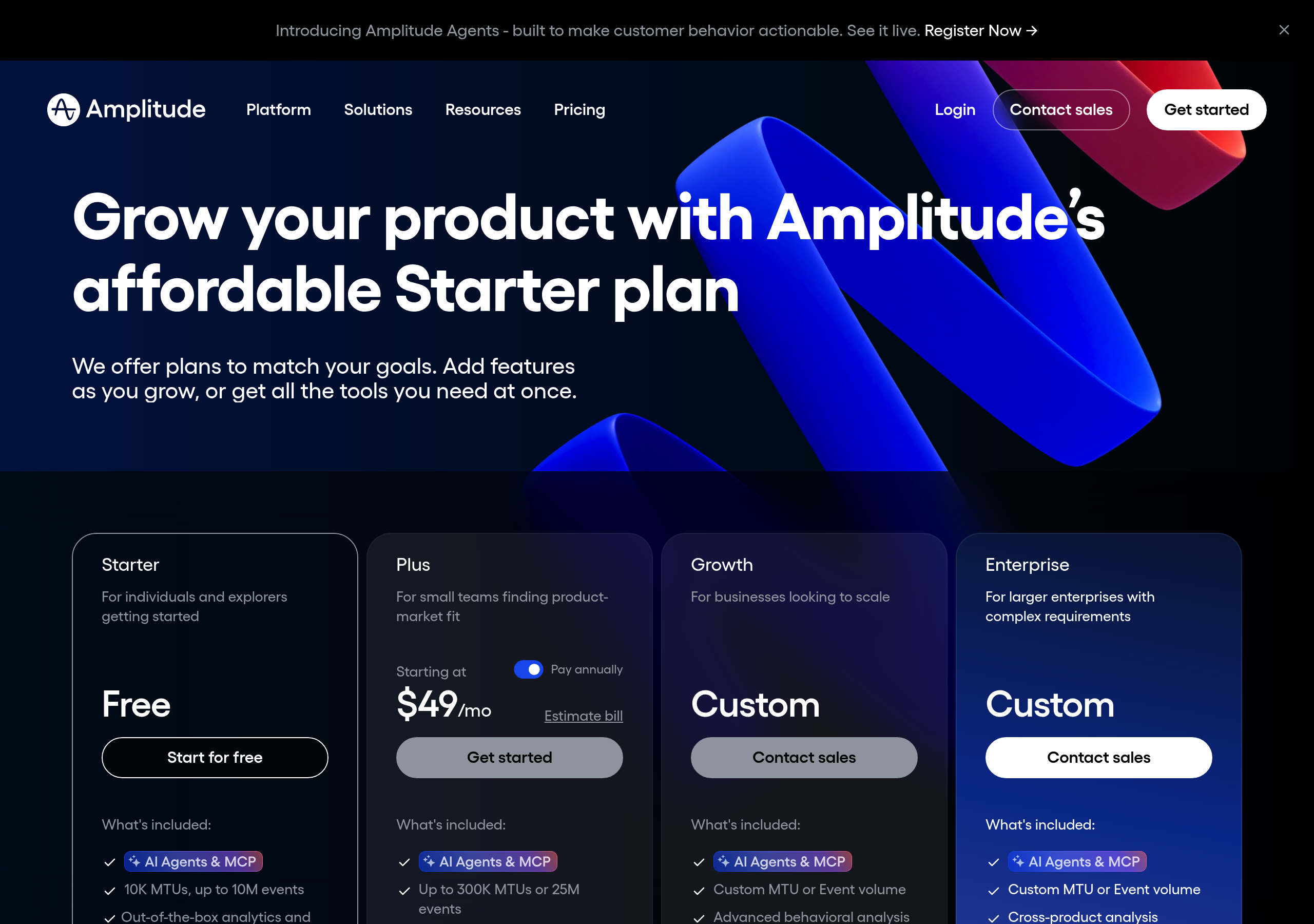
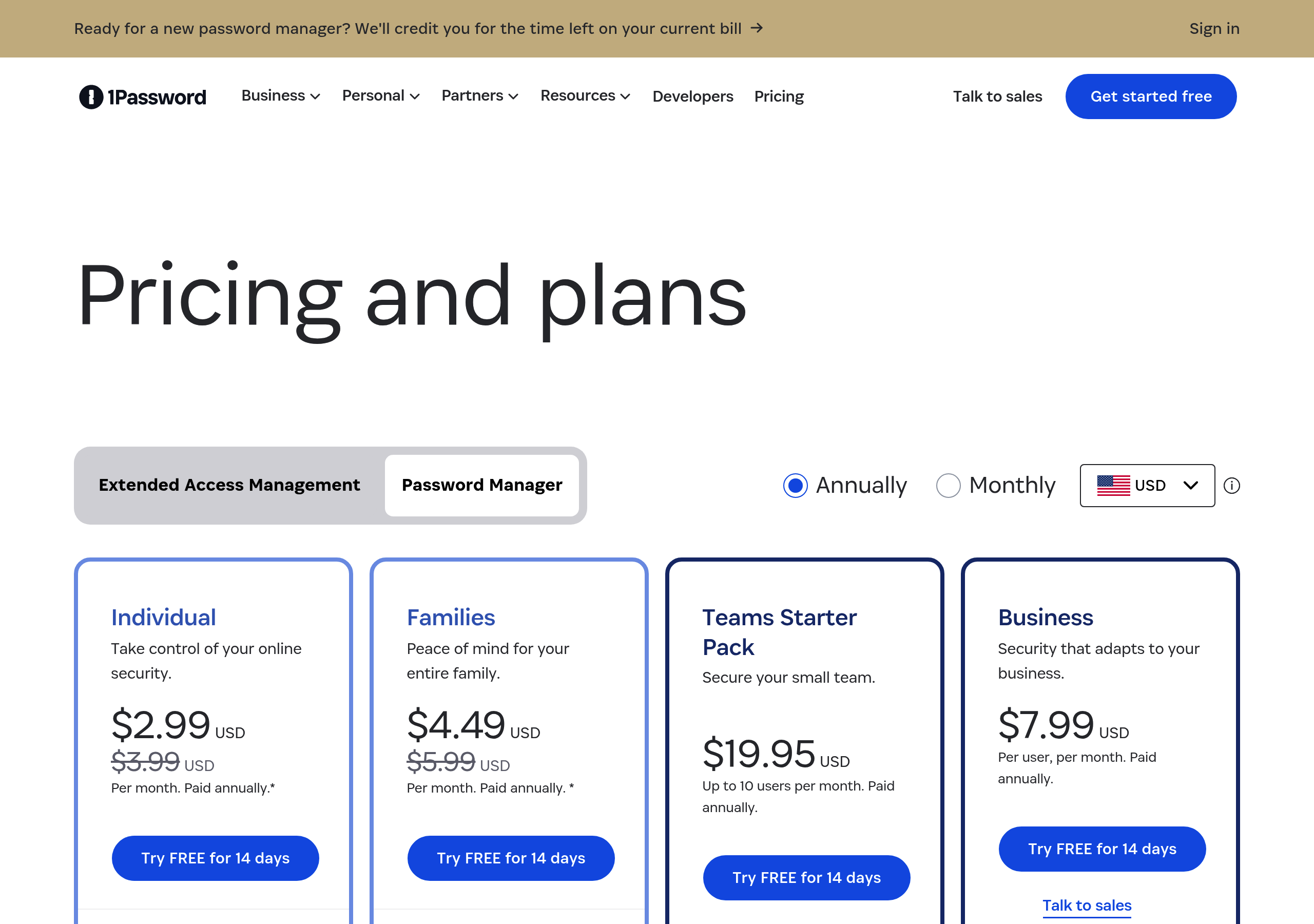
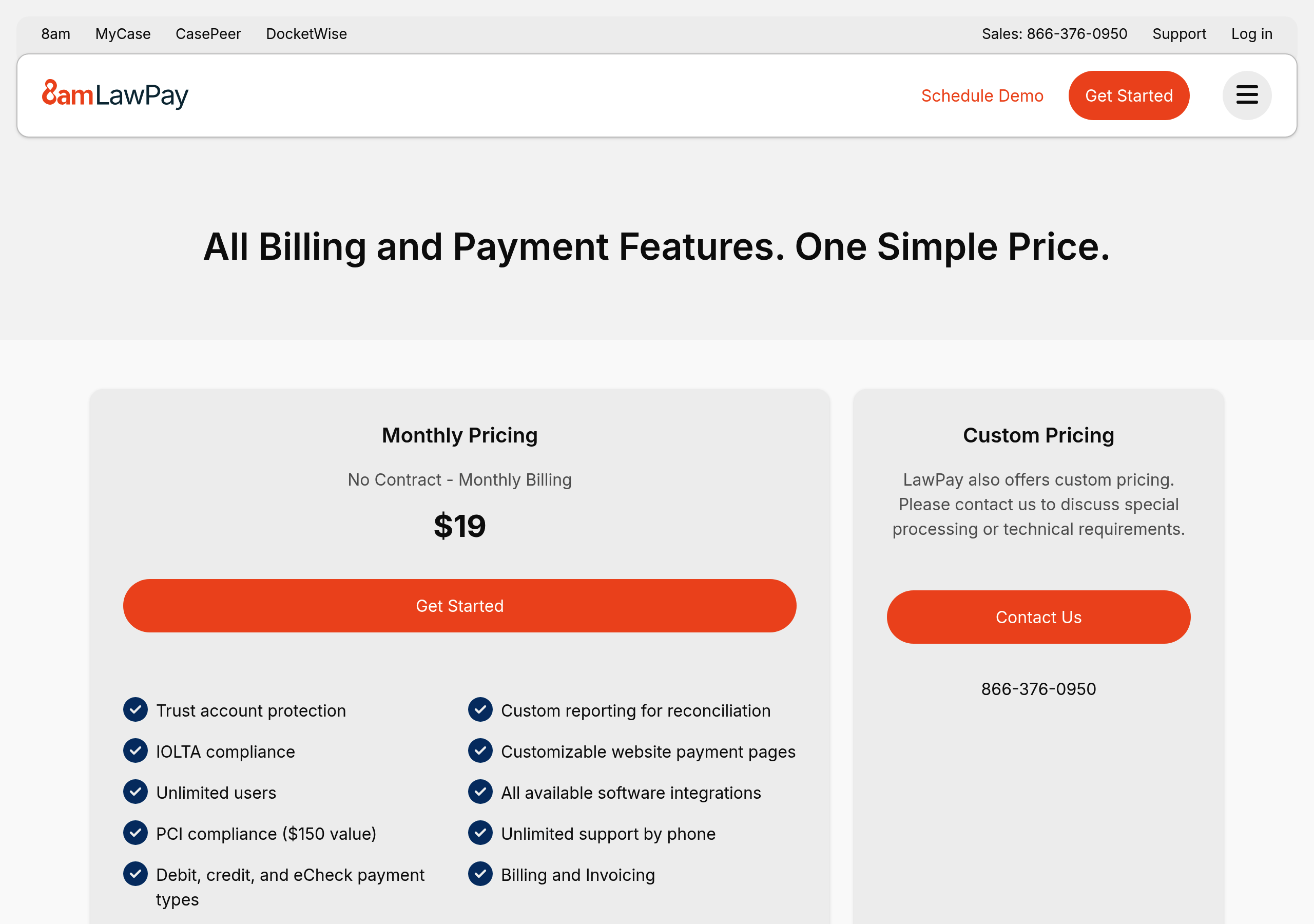
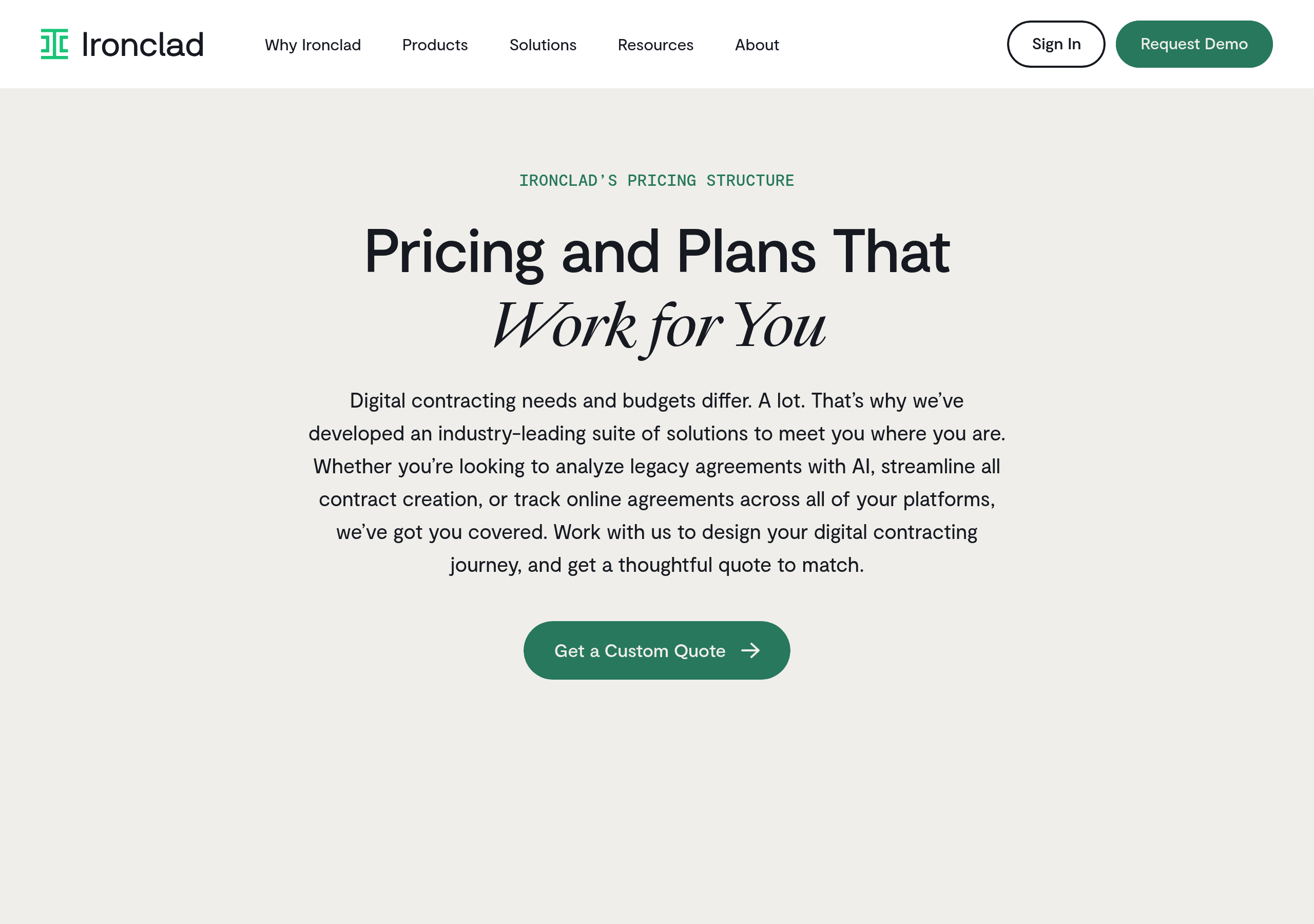
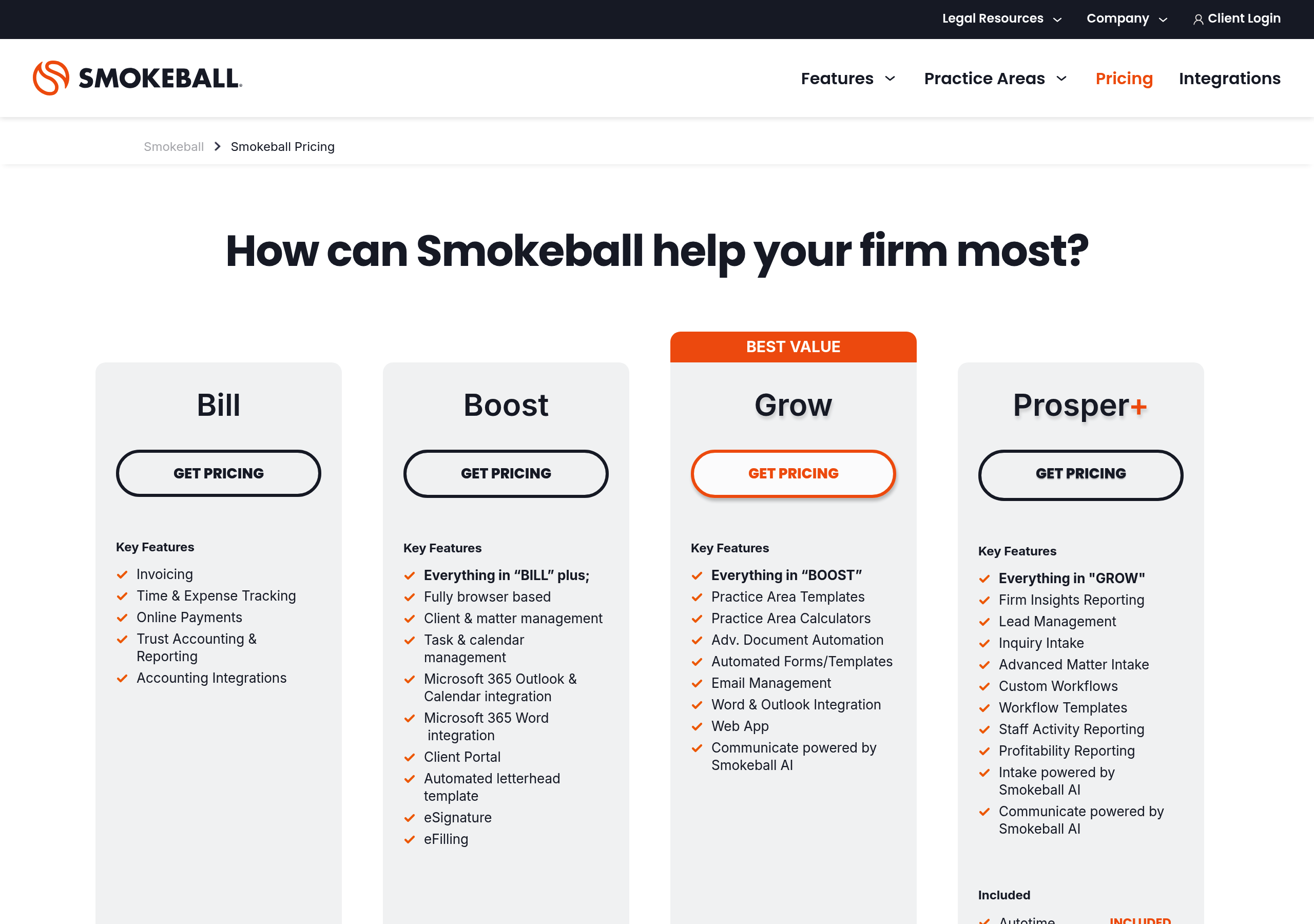
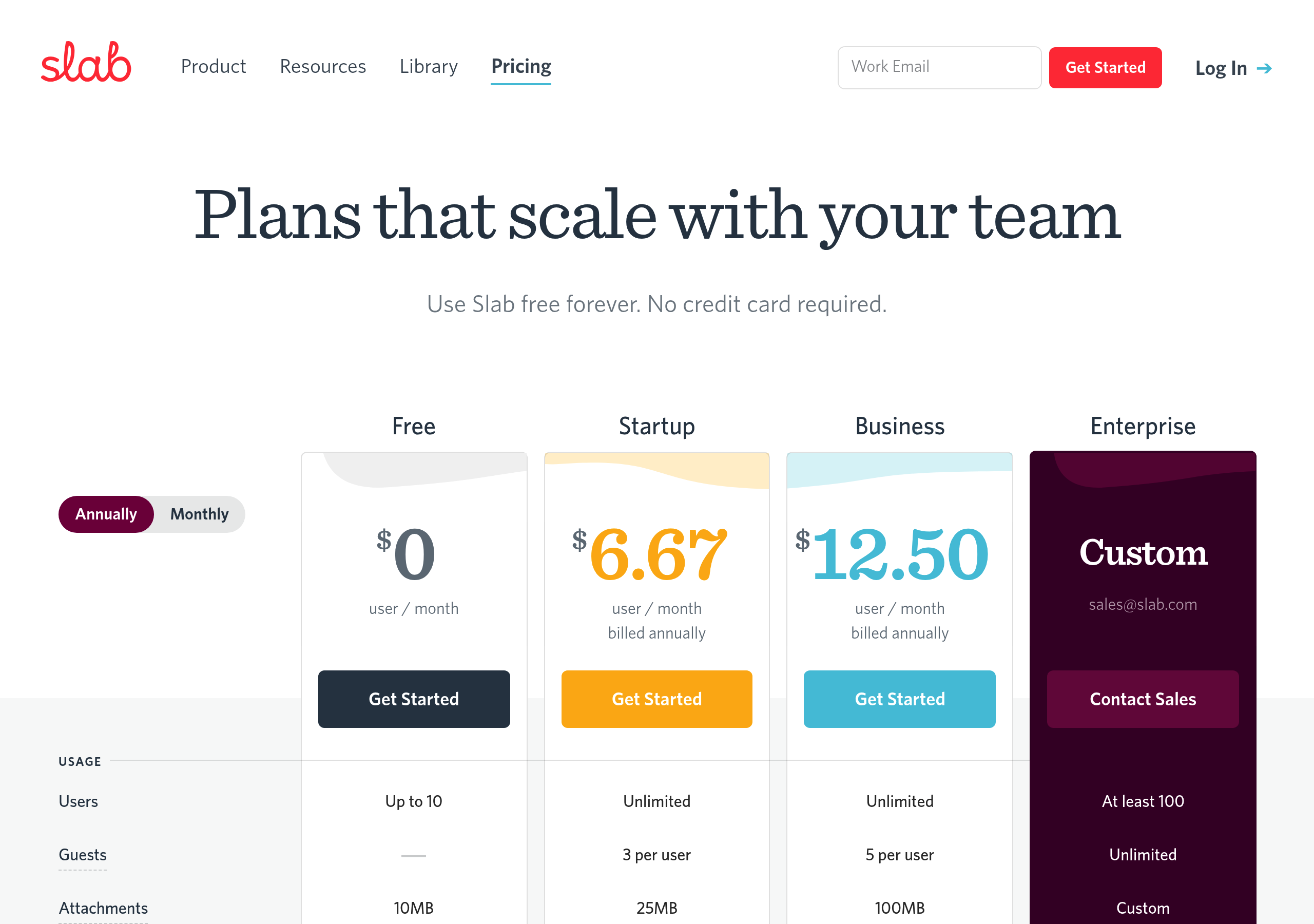
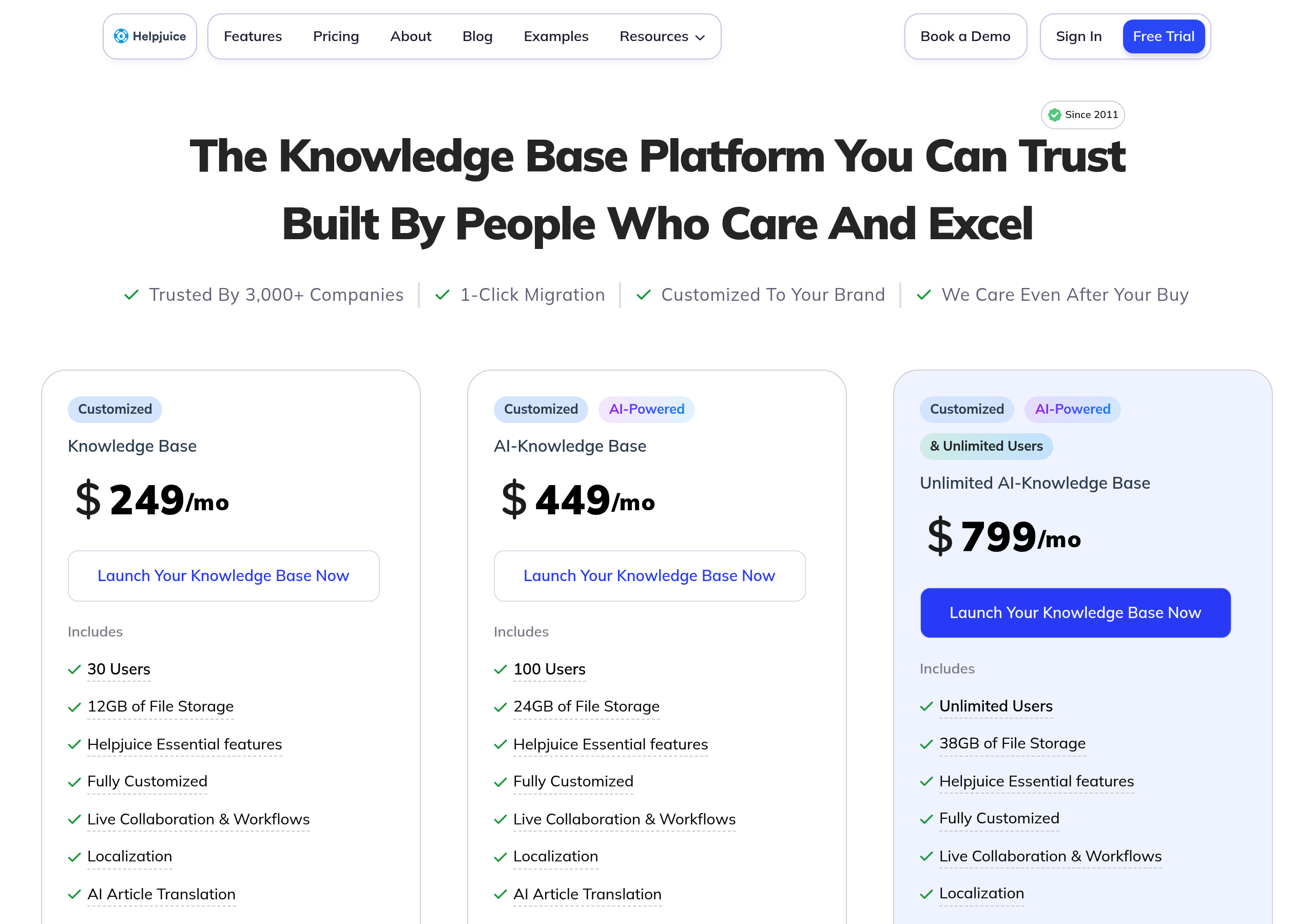
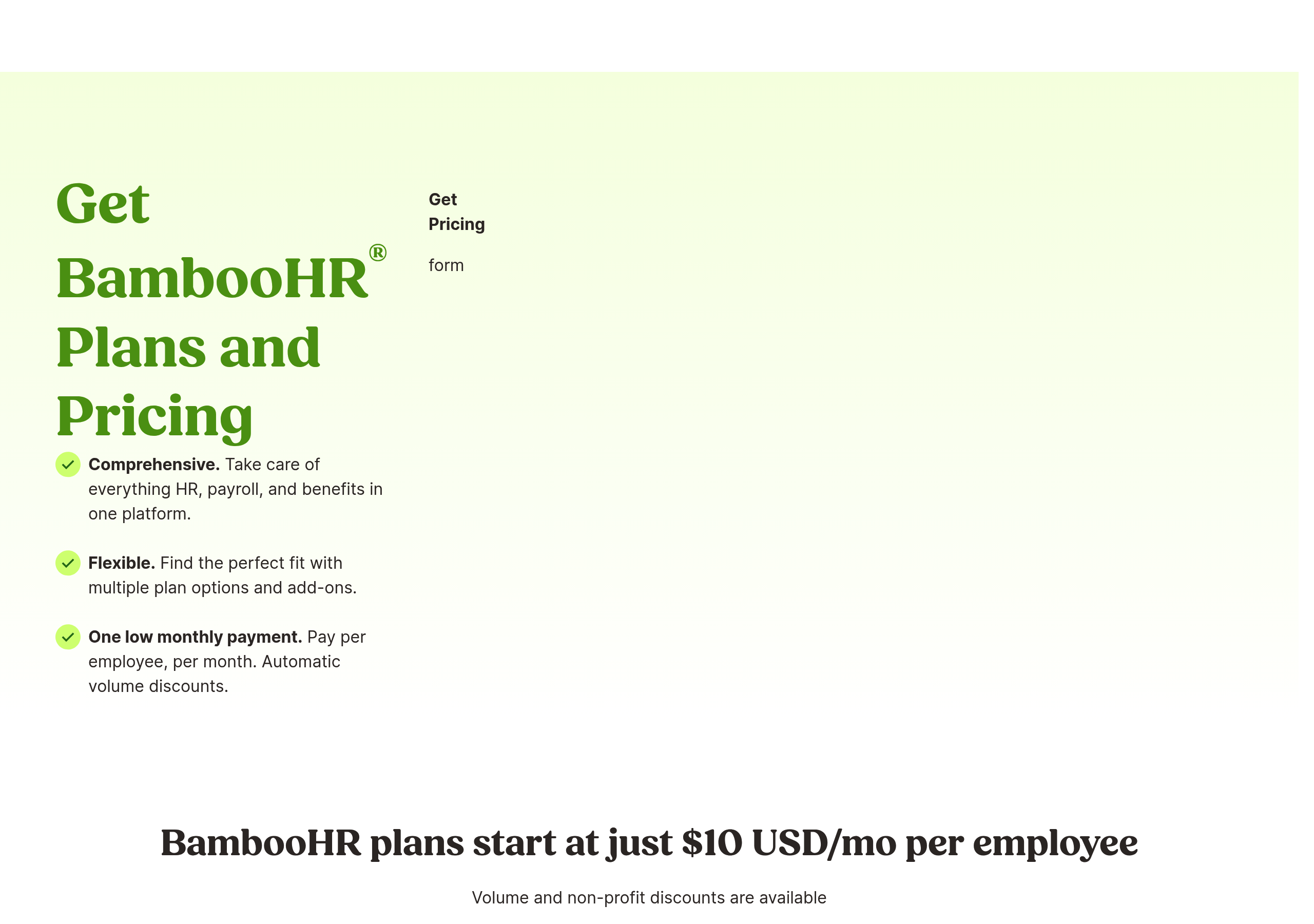
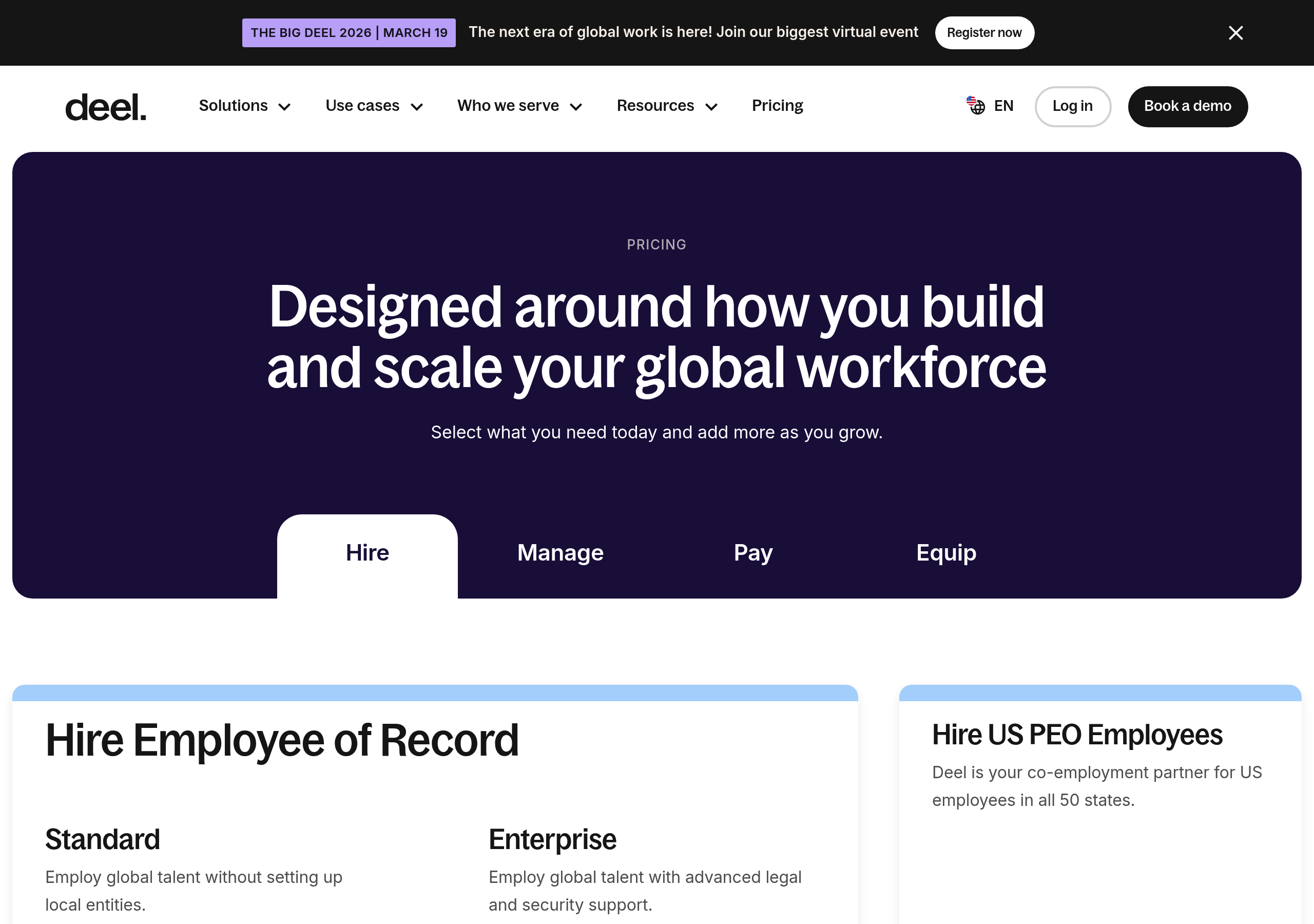
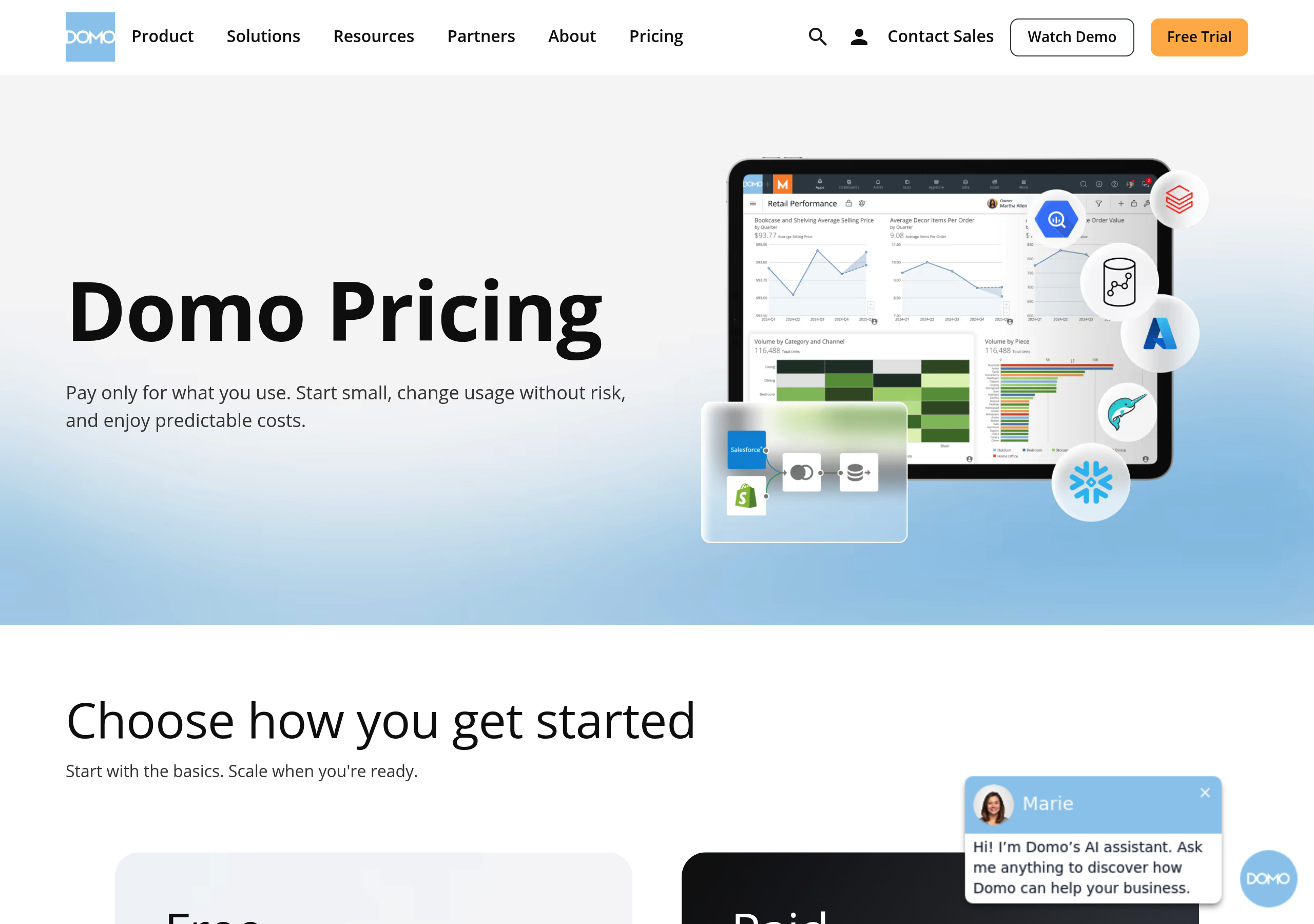
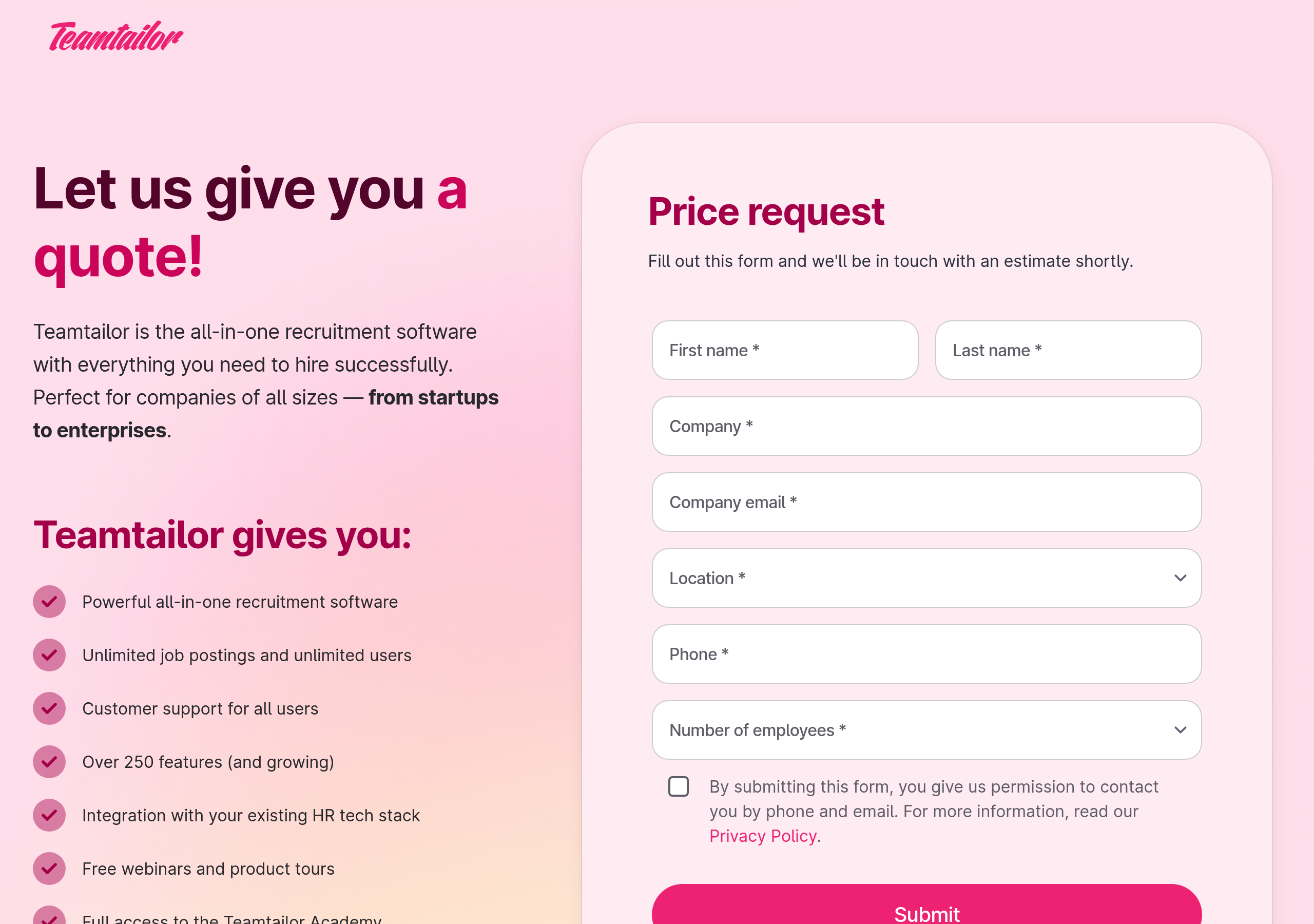
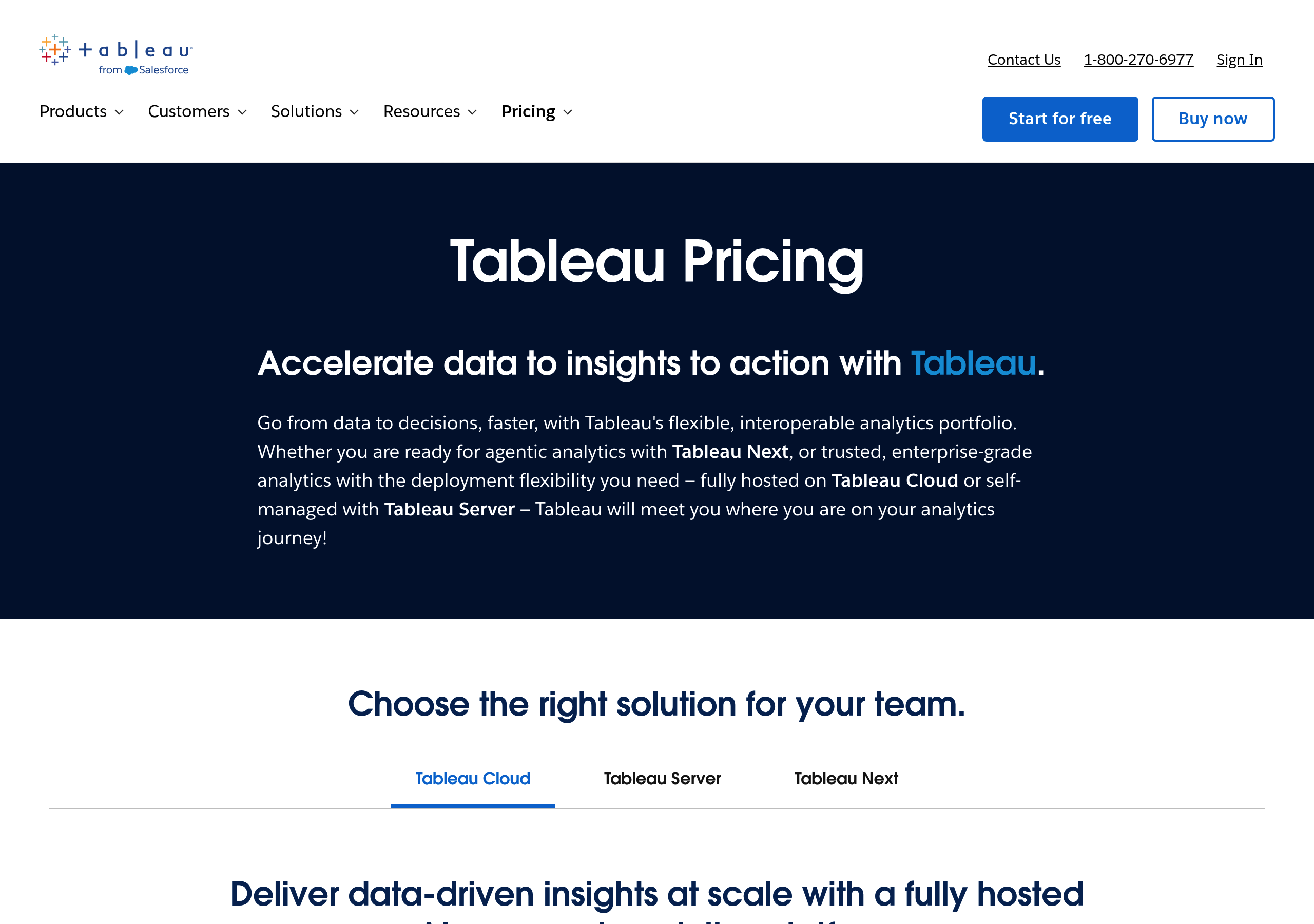
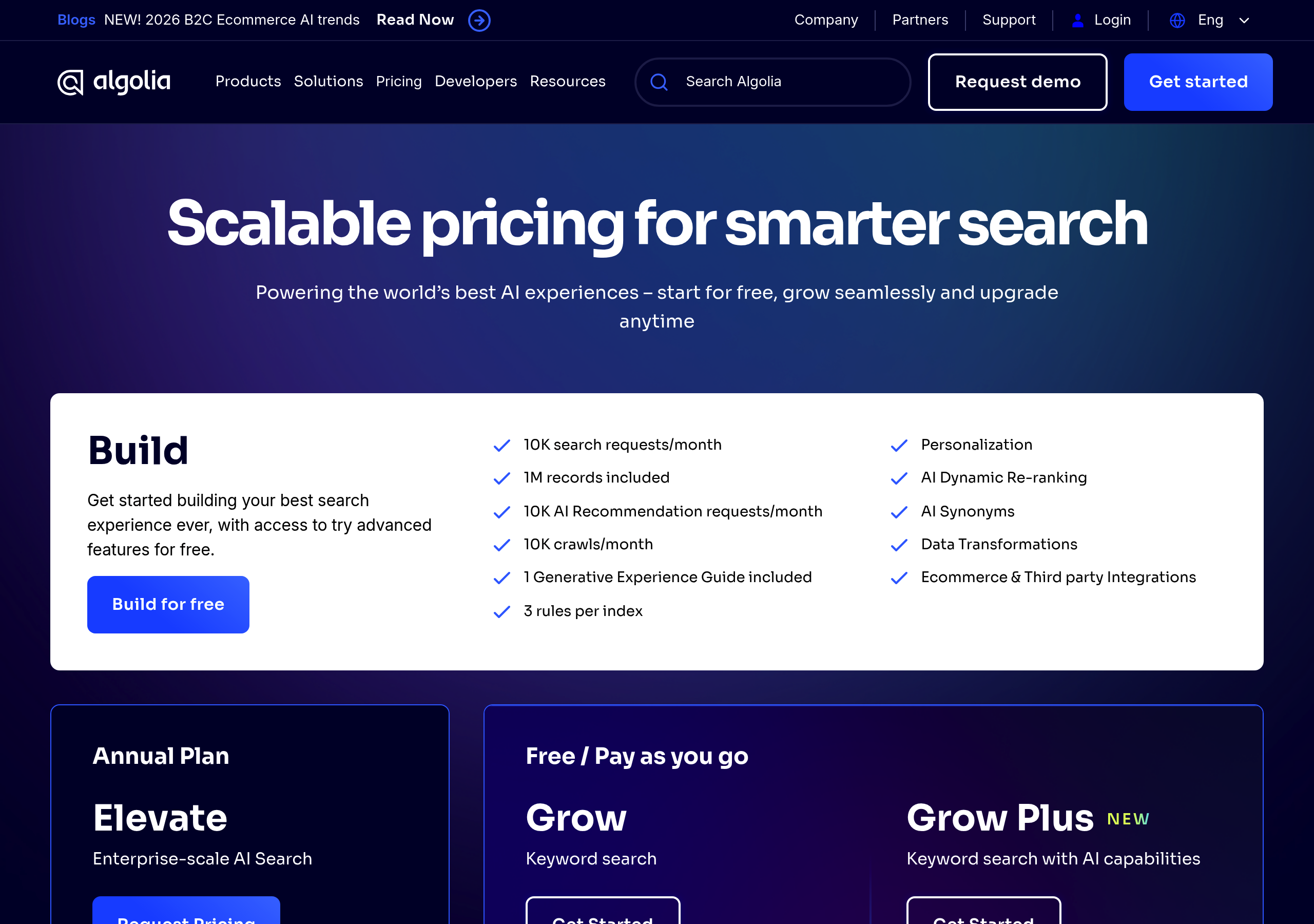
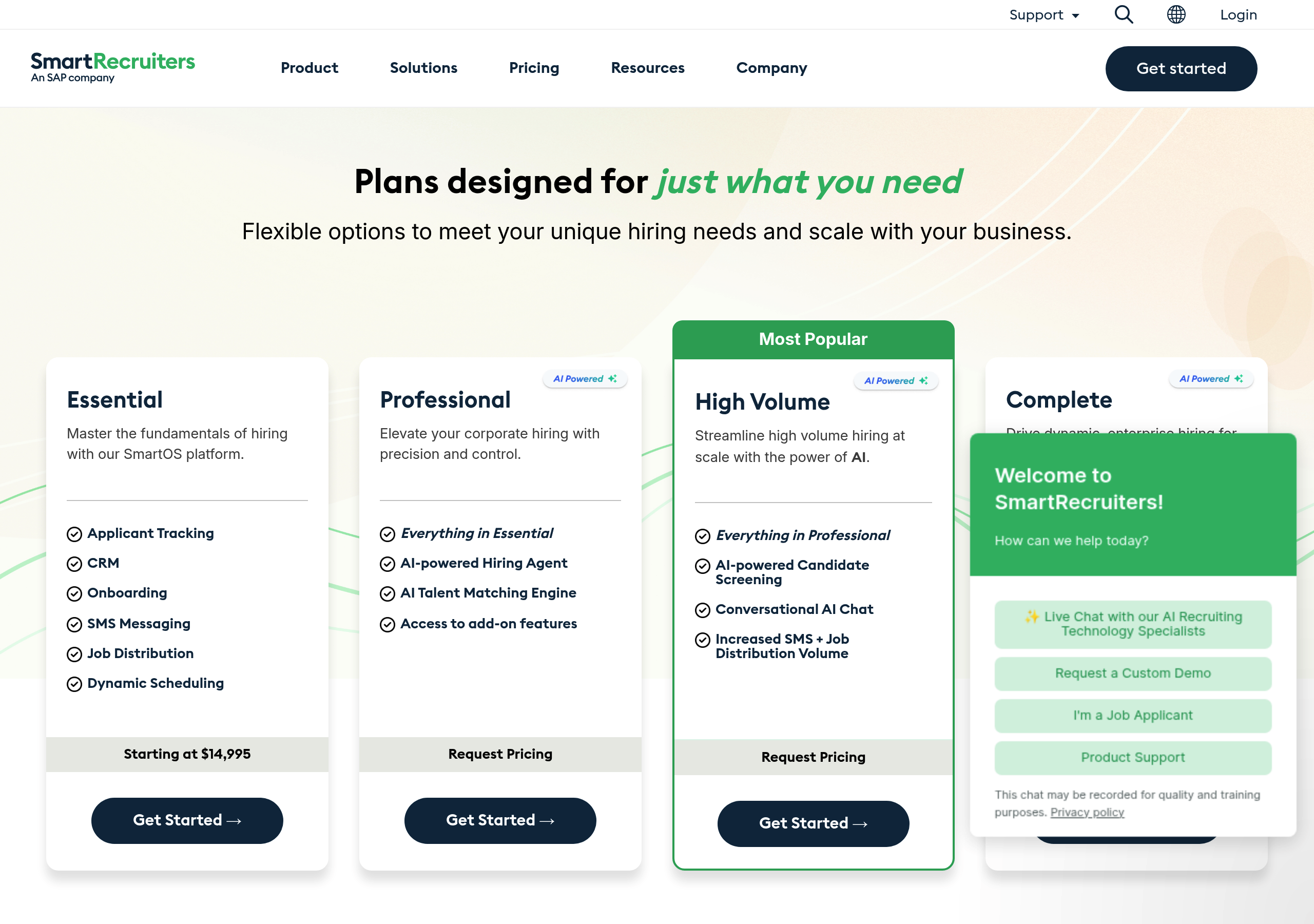
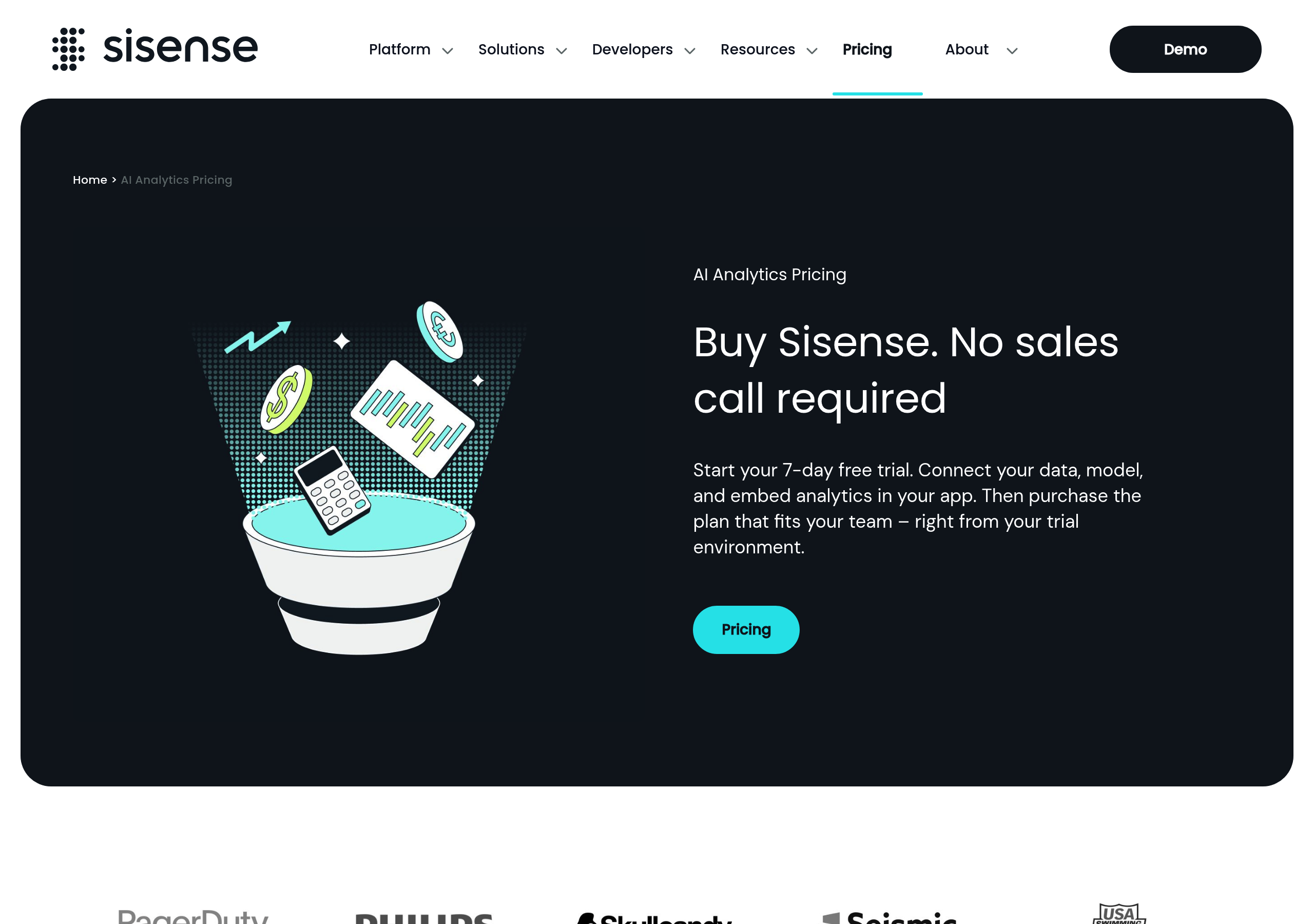
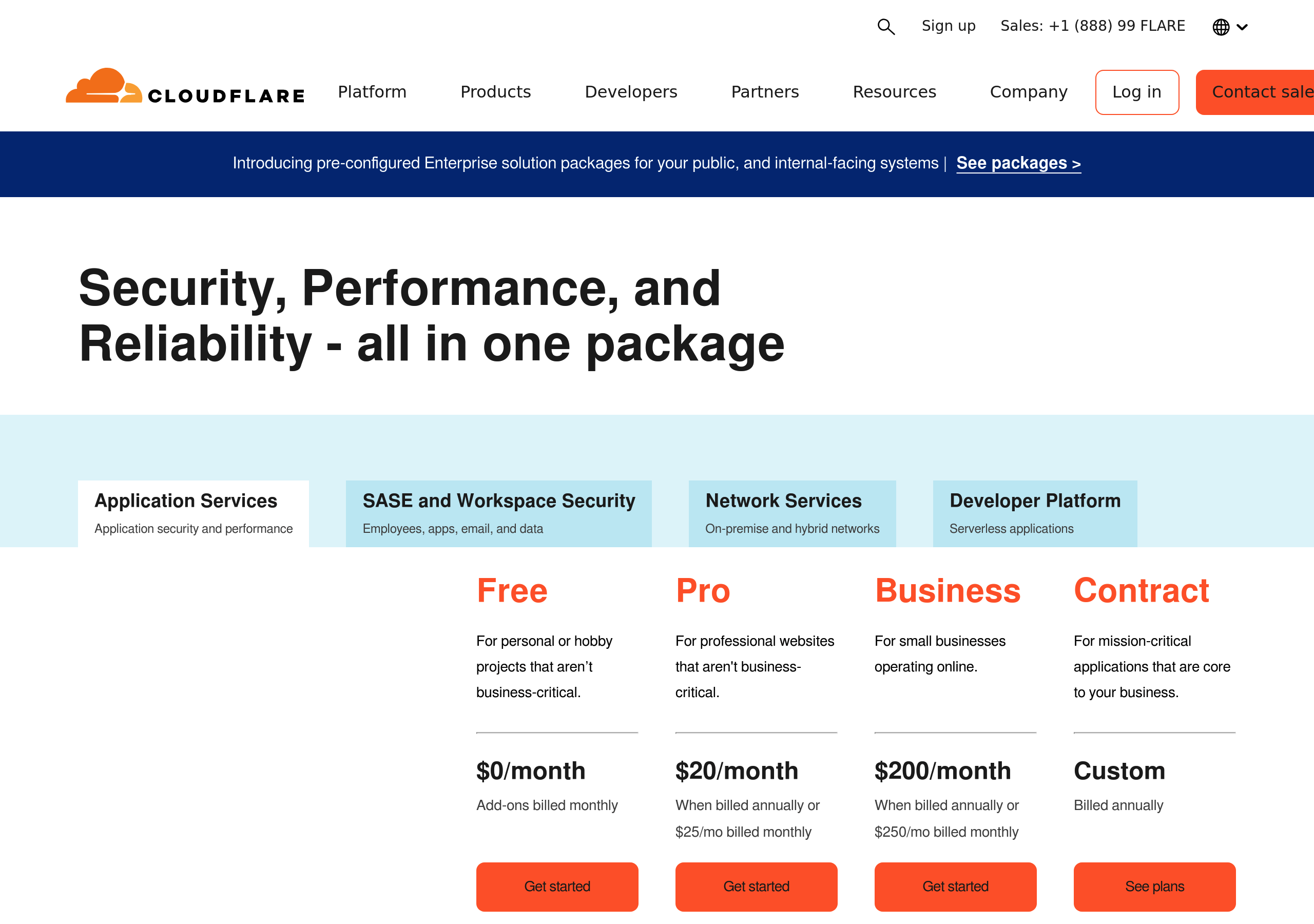
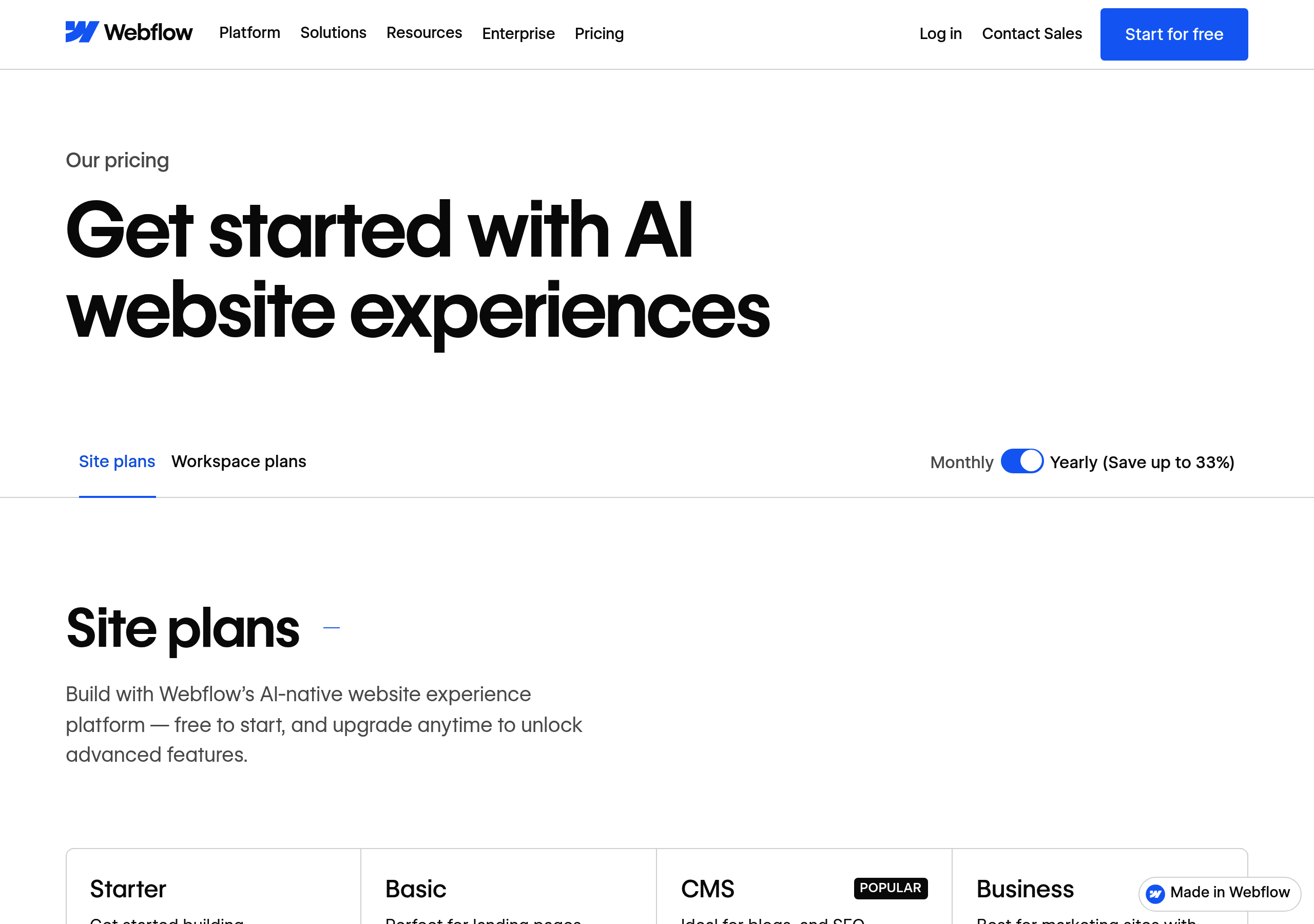
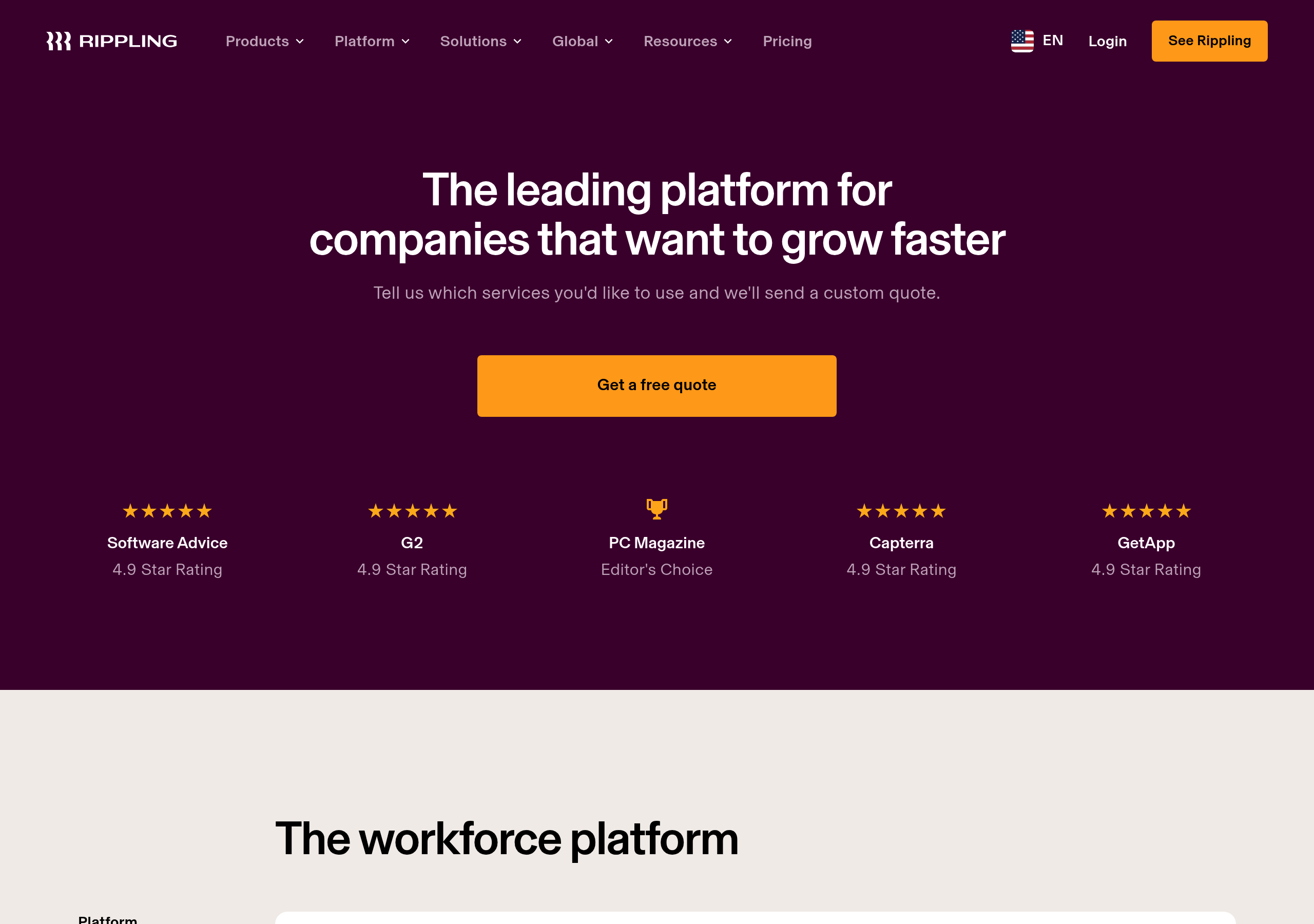
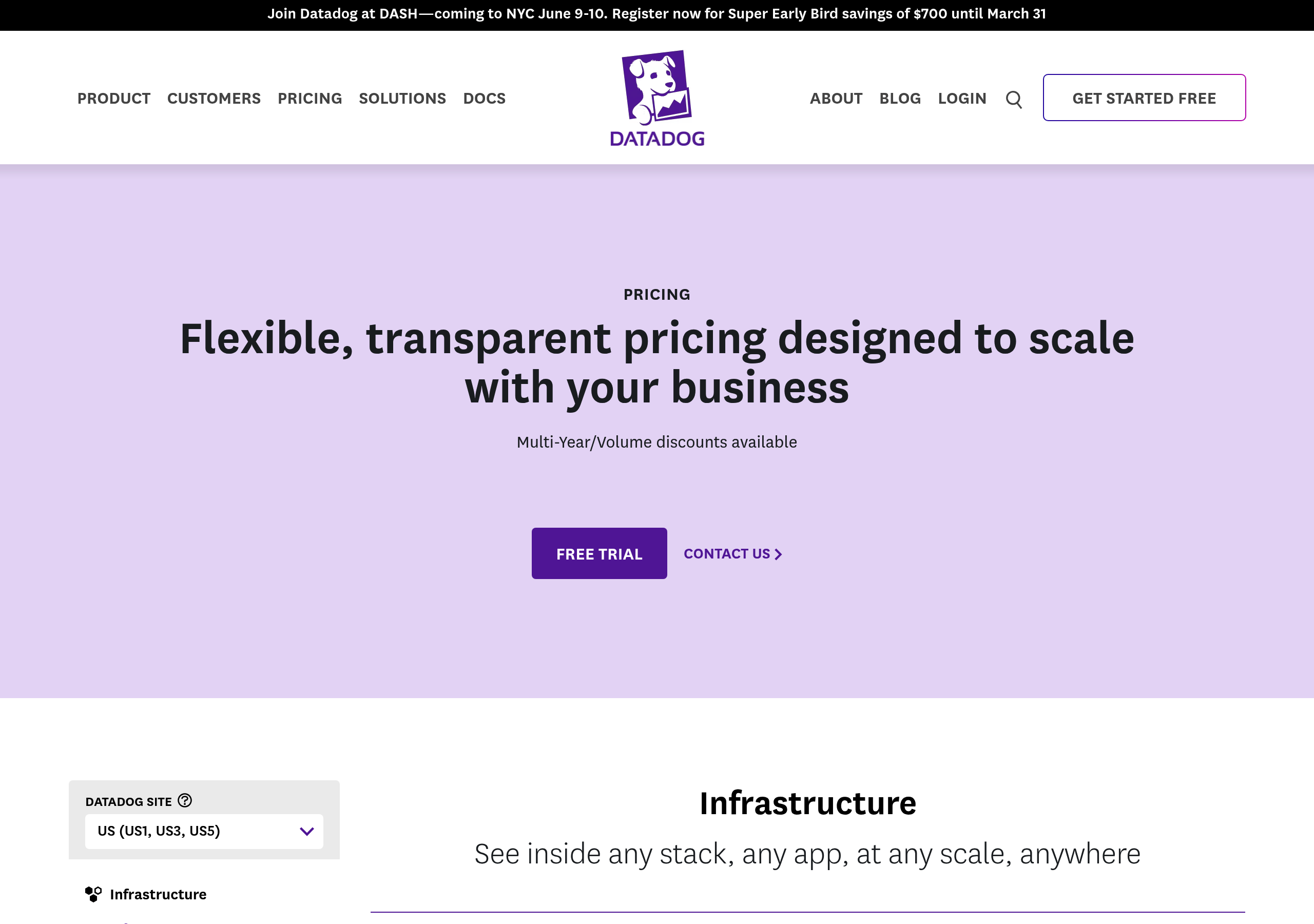
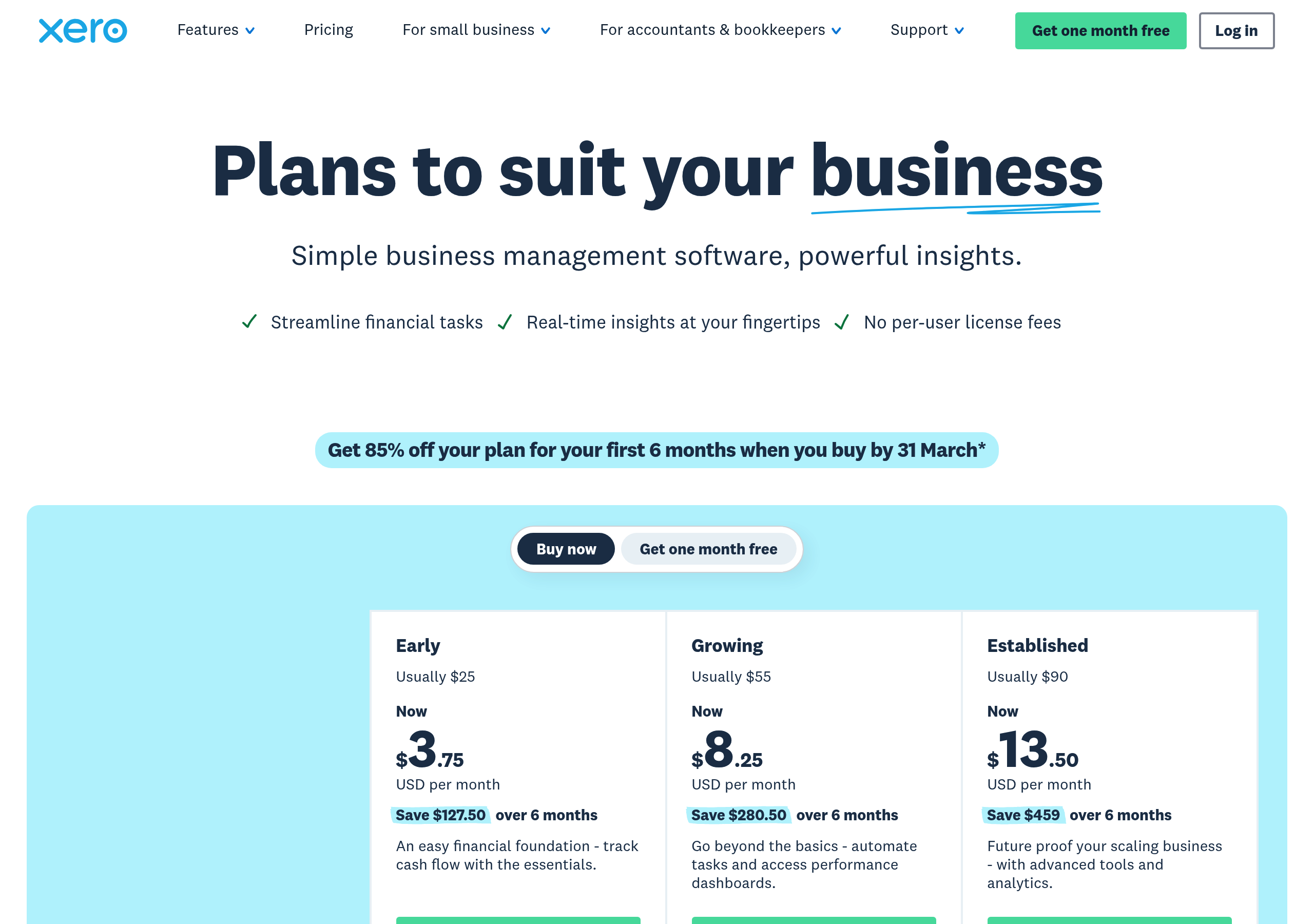
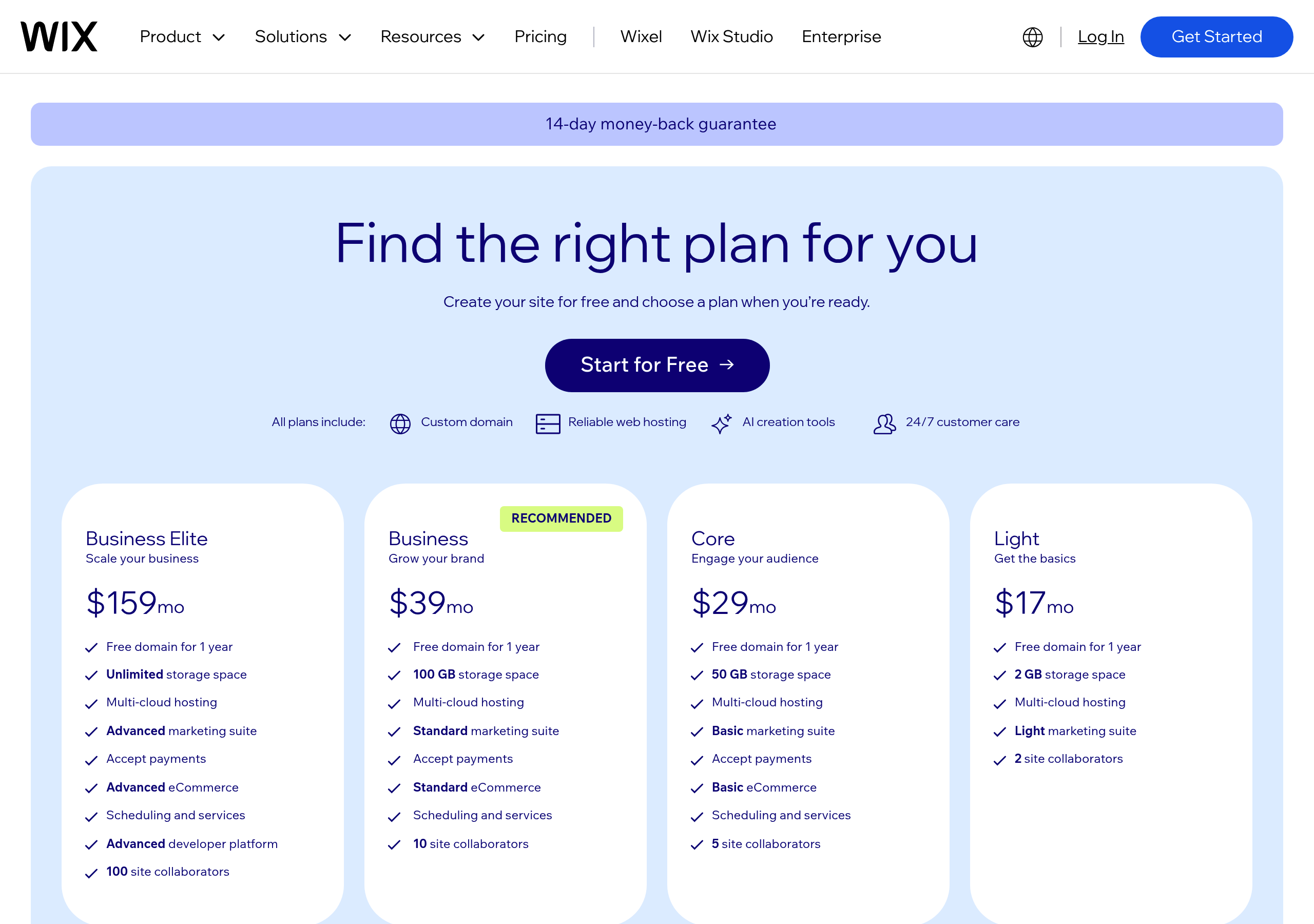
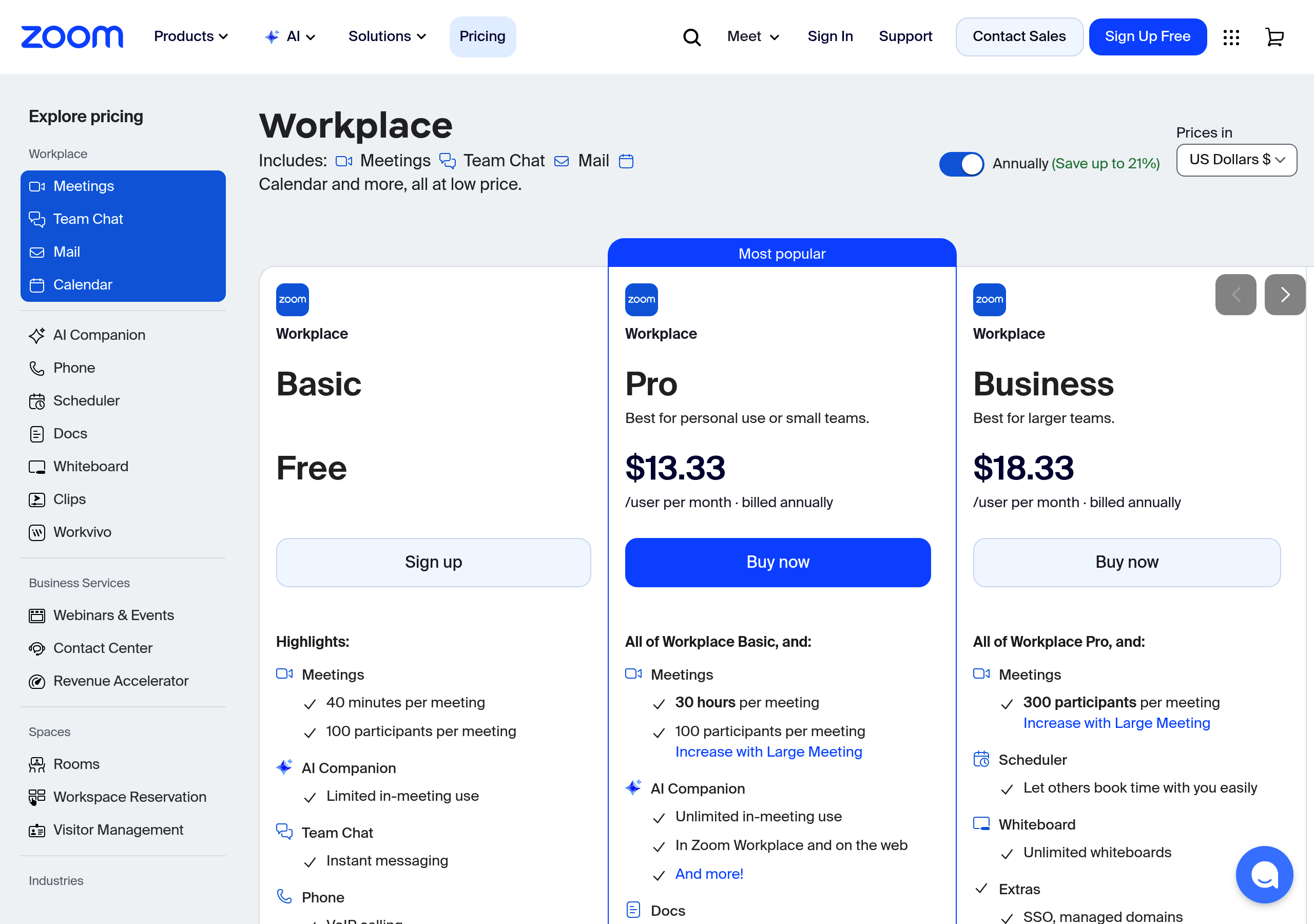
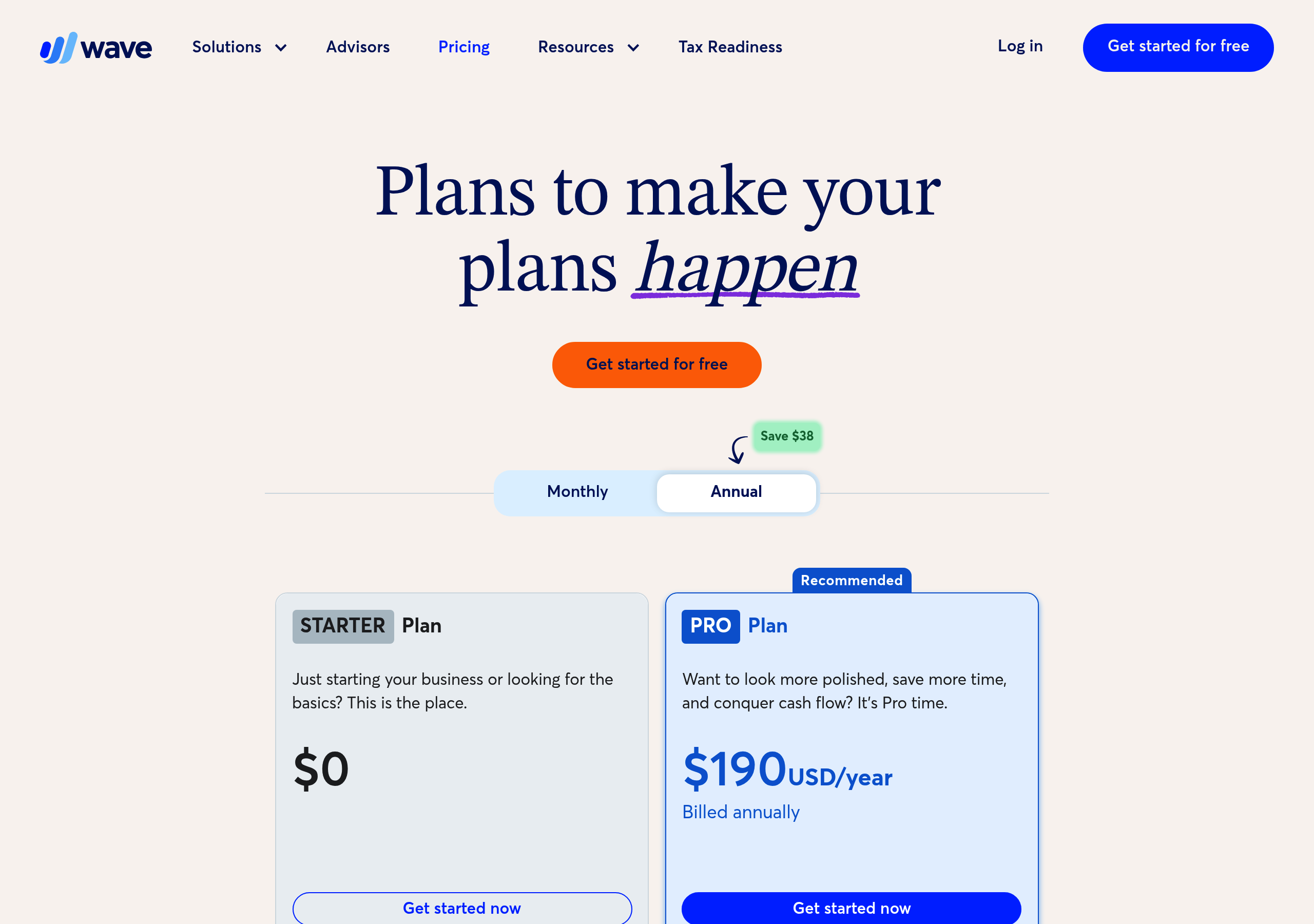
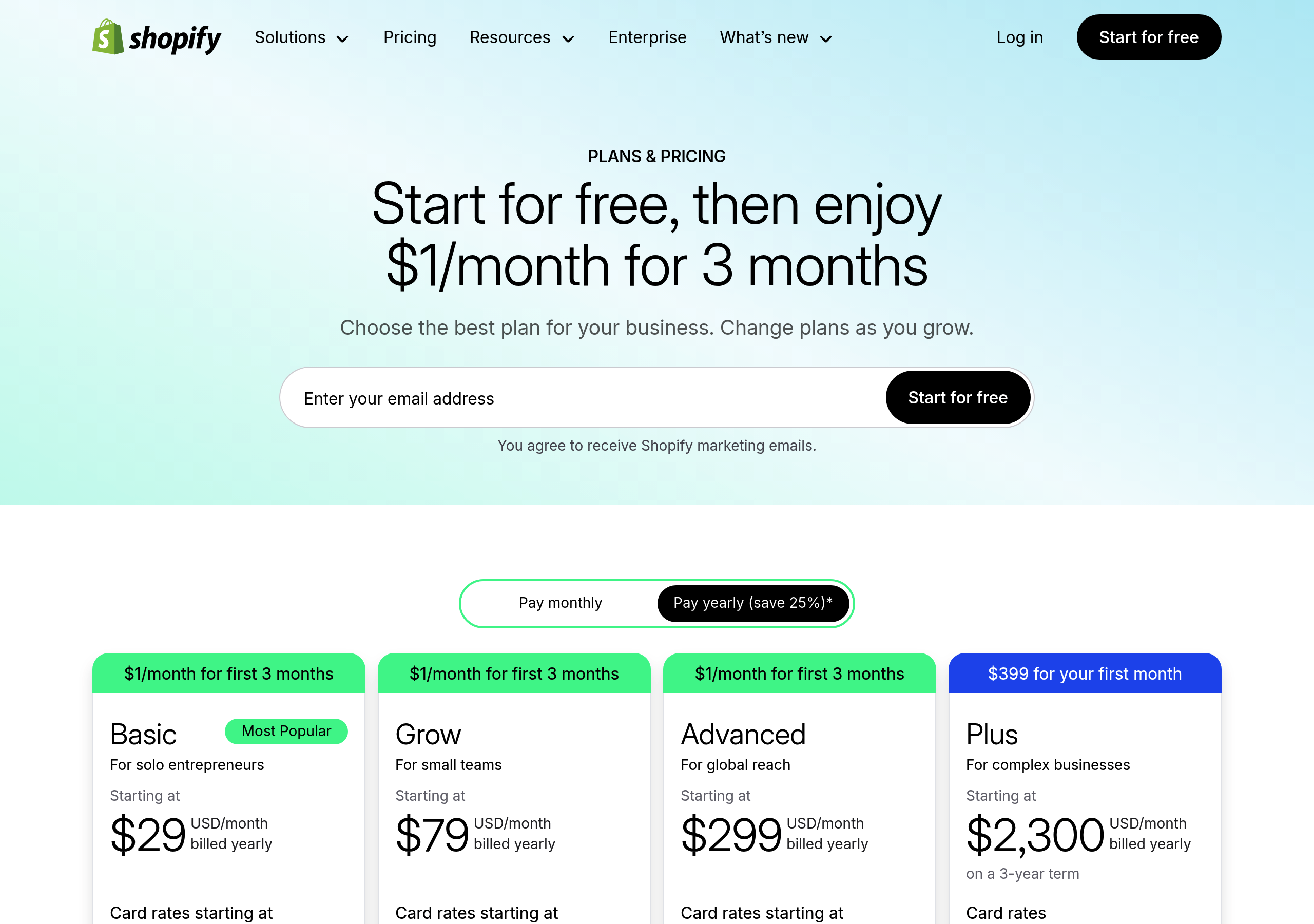
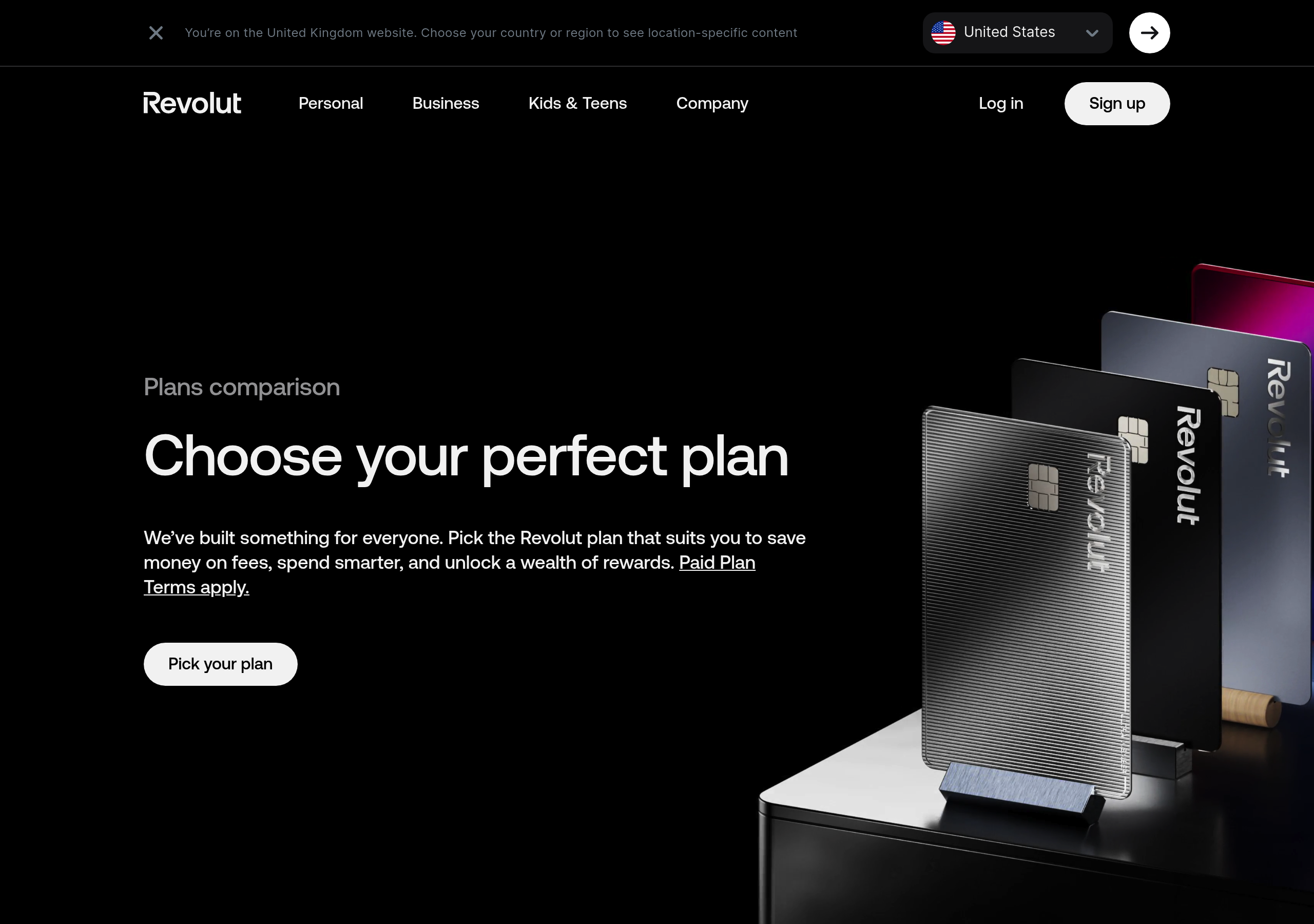
Screenshots from website breakdowns
Real captures of this component from analyzed SaaS sites. Click through to see the full breakdown.






Accessibility considerations
Ensure your component is usable by everyone.
- Use semantic HTML: <table> for comparison tables with proper <th> and <td> elements.
- Ensure pricing tables are keyboard navigable and screen reader friendly.
- Use proper heading hierarchy: <h2> for plan names, <h3> for sections.
- Ensure sufficient color contrast for pricing text, especially for highlighted plans.
- For interactive elements (plan selectors, calculators), ensure they're keyboard accessible.
- Test with screen readers to ensure plan comparisons are clear and understandable.
- Provide text alternatives for any icons or visual indicators (checkmarks, badges).