
 Okta
OktaOkta’s homepage clarifies scope fast by framing identity as a universal control plane for employees, customers, partners, and AI agents, then reinforcing it with product “platform” segmentation (Okta Platform vs Auth0 Platform).
View breakdown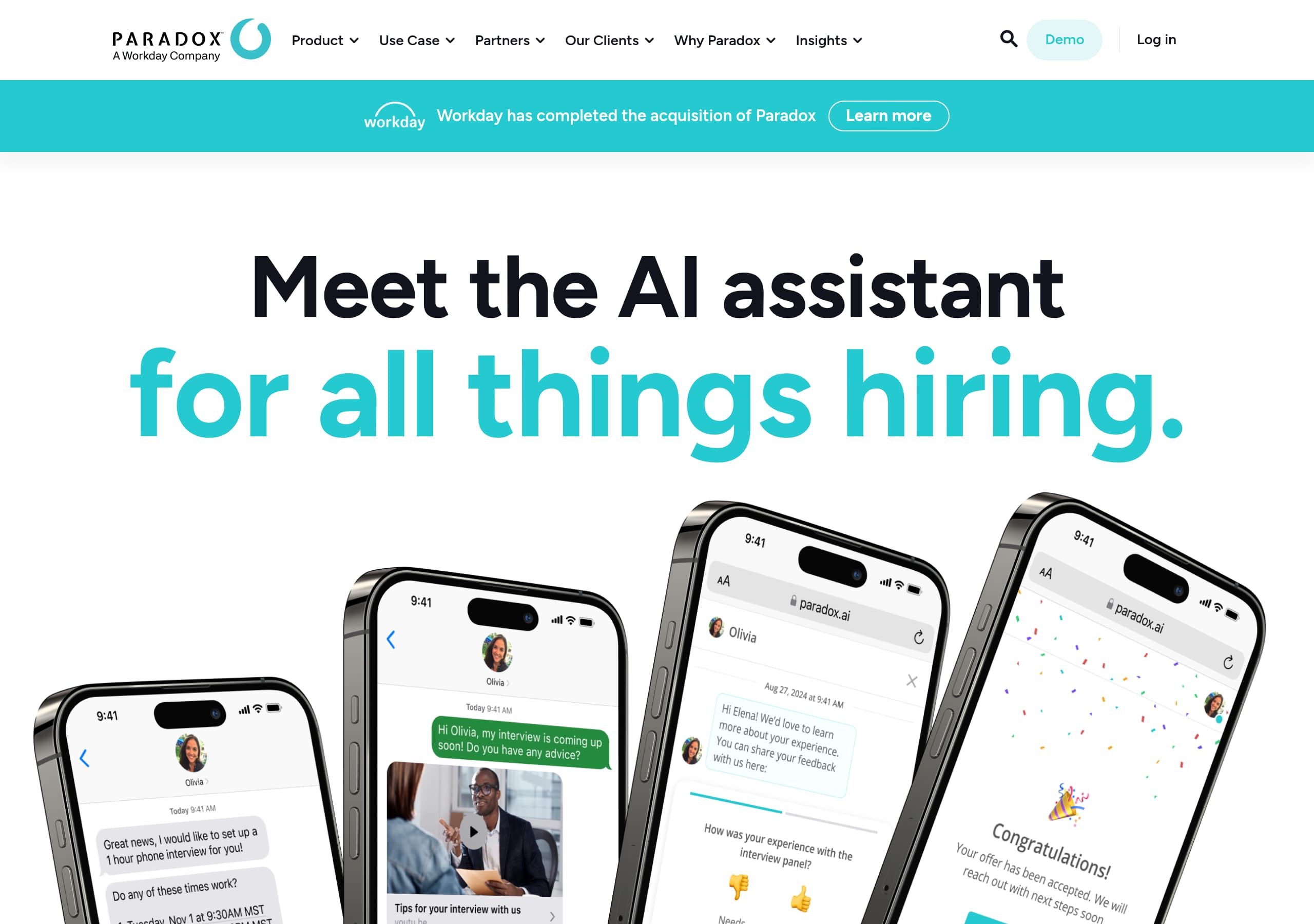 Paradox
Paradox makes its value proposition immediately concrete by pairing the hero line, “Meet the AI assistant for all things hiring,” with a single dominant CTA, “Request demo,” so enterprise buyers know the next step without hunting.
View breakdown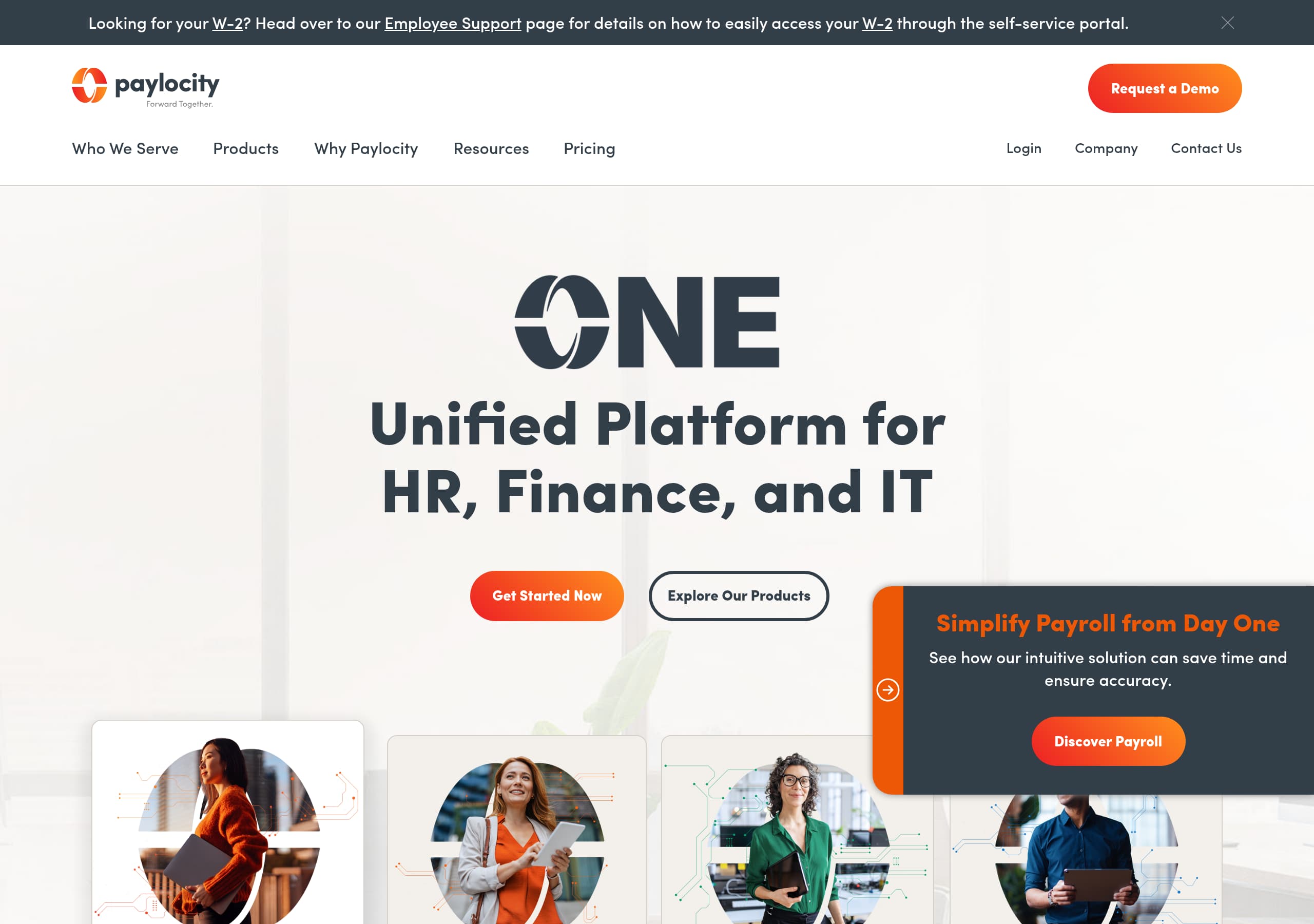 Paylocity
Paylocity’s homepage leads with a clear HR and payroll platform message and a “Request a demo” style CTA, which fits an enterprise buying motion and keeps the next step unambiguous.
View breakdown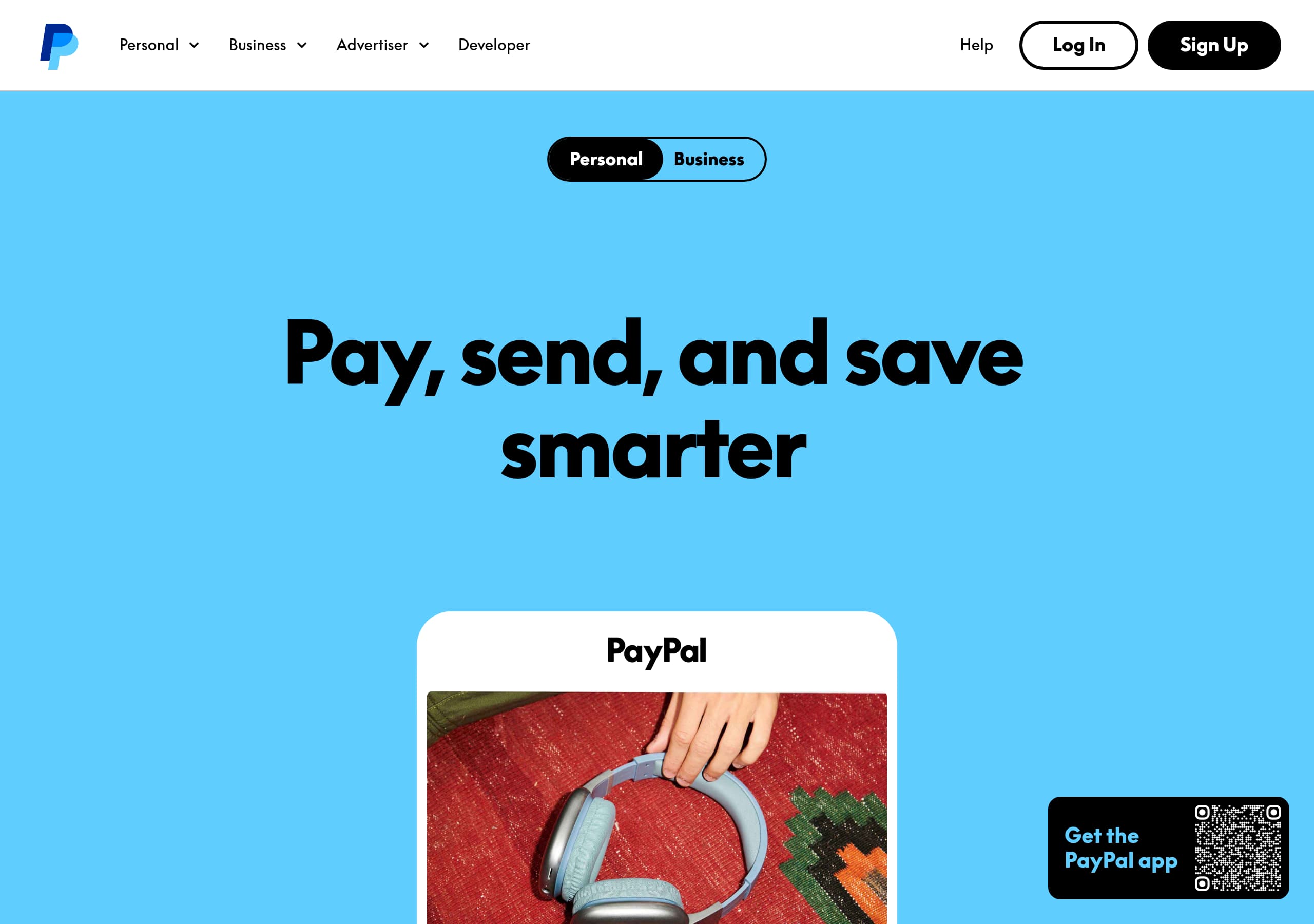 PayPal
PayPal’s homepage uses a clear two-track navigation (Personal vs Business) so visitors self-segment immediately, reducing ambiguity and improving click intent.
View breakdown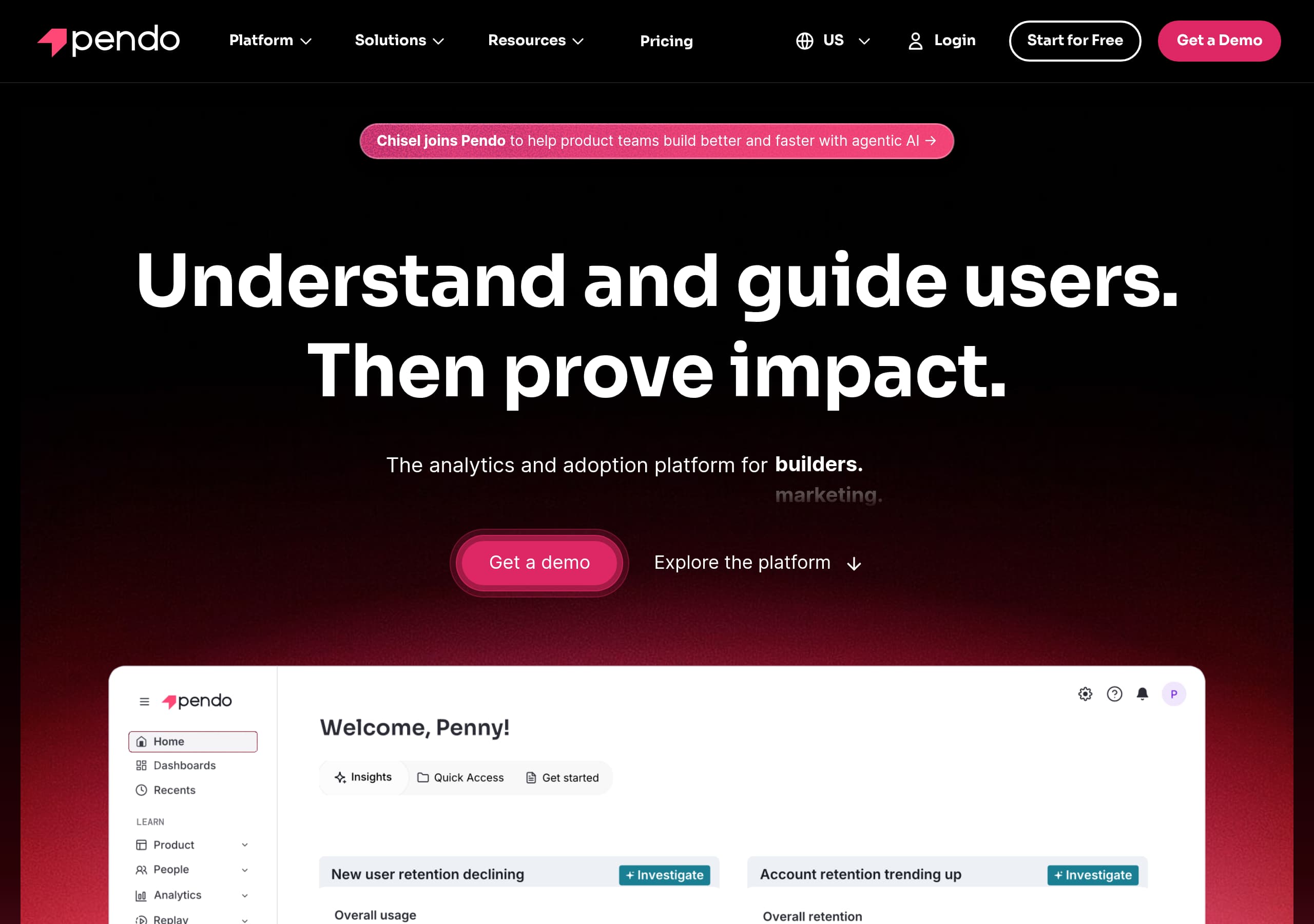 Pendo
PendoPendo’s homepage nails a two-part narrative, “Understand and guide users. Then prove impact.”, which cleanly bridges product analytics to business outcomes without forcing users to choose a single use case upfront.
View breakdown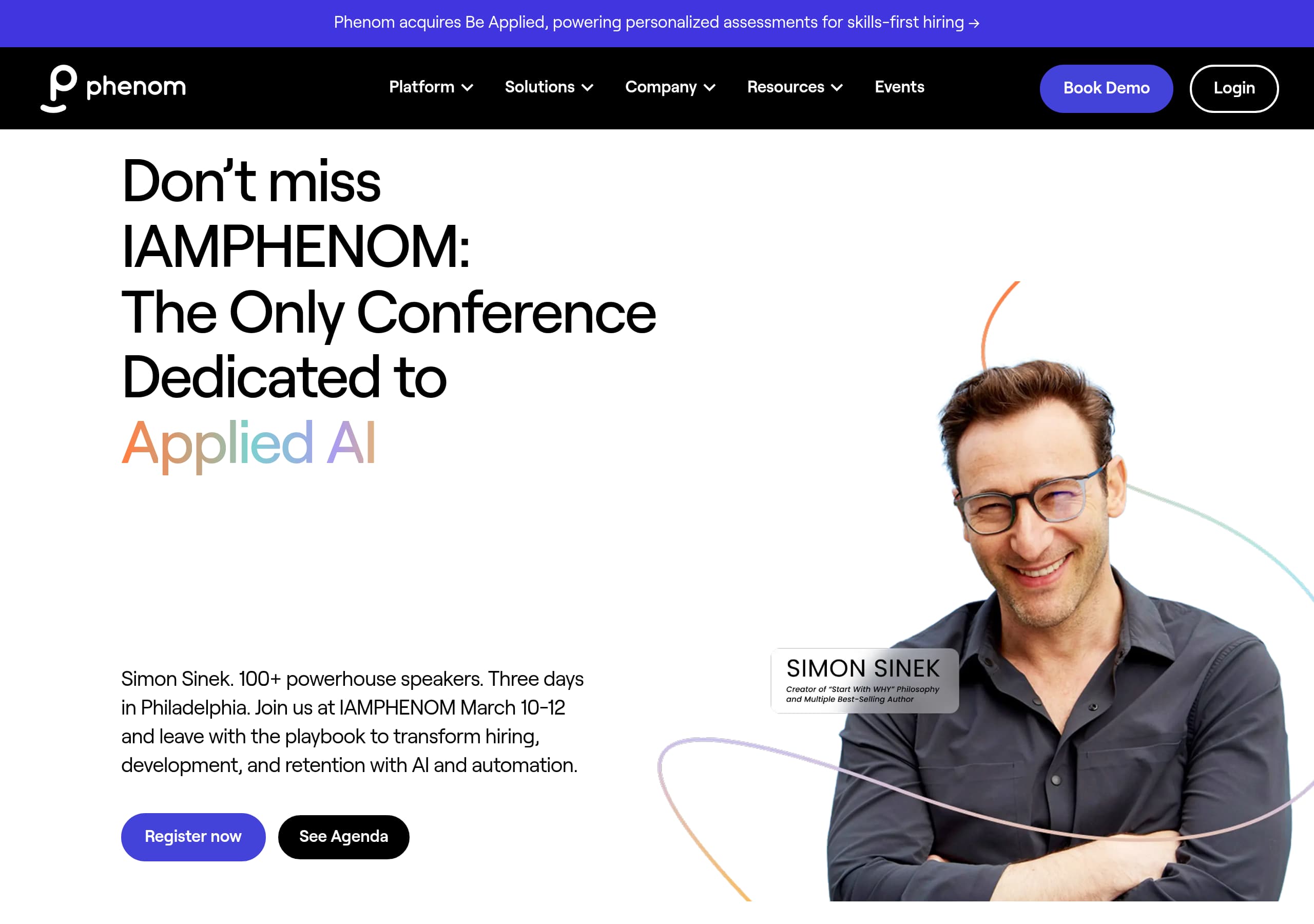 Phenom
Phenom’s homepage leads with an enterprise-grade narrative, “Phenom Applied AI | Talent Intelligence Platform,” then immediately reinforces it with a concrete CTA, “Book Demo,” which fits a high-ACV HR tech buying journey.
View breakdown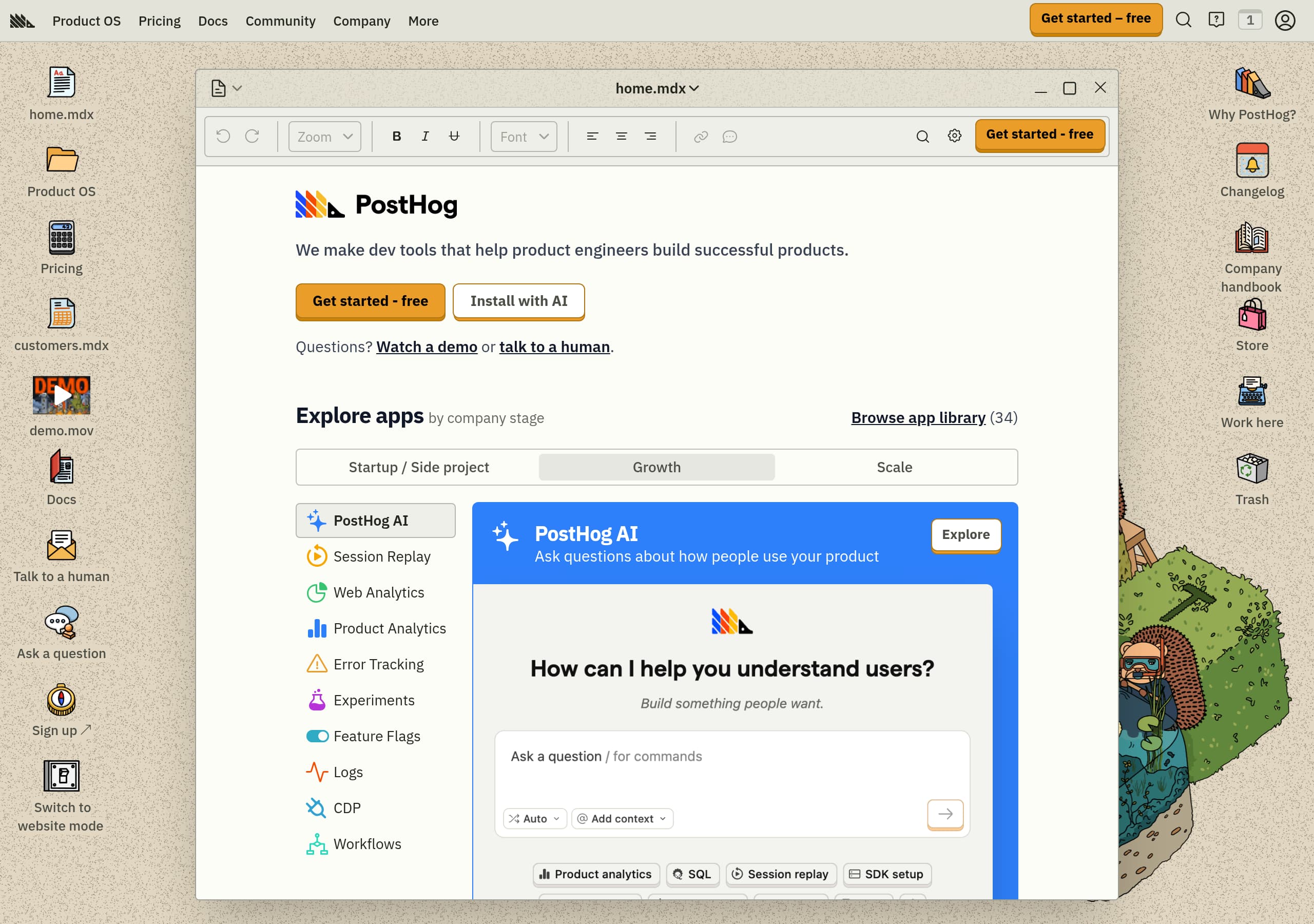 PostHog
PostHog’s homepage clarifies positioning fast by anchoring on a developer-first category label, “We make dev tools for product engineers,” then immediately exposing the Product OS suite to reduce ambiguity about what you can buy.
View breakdown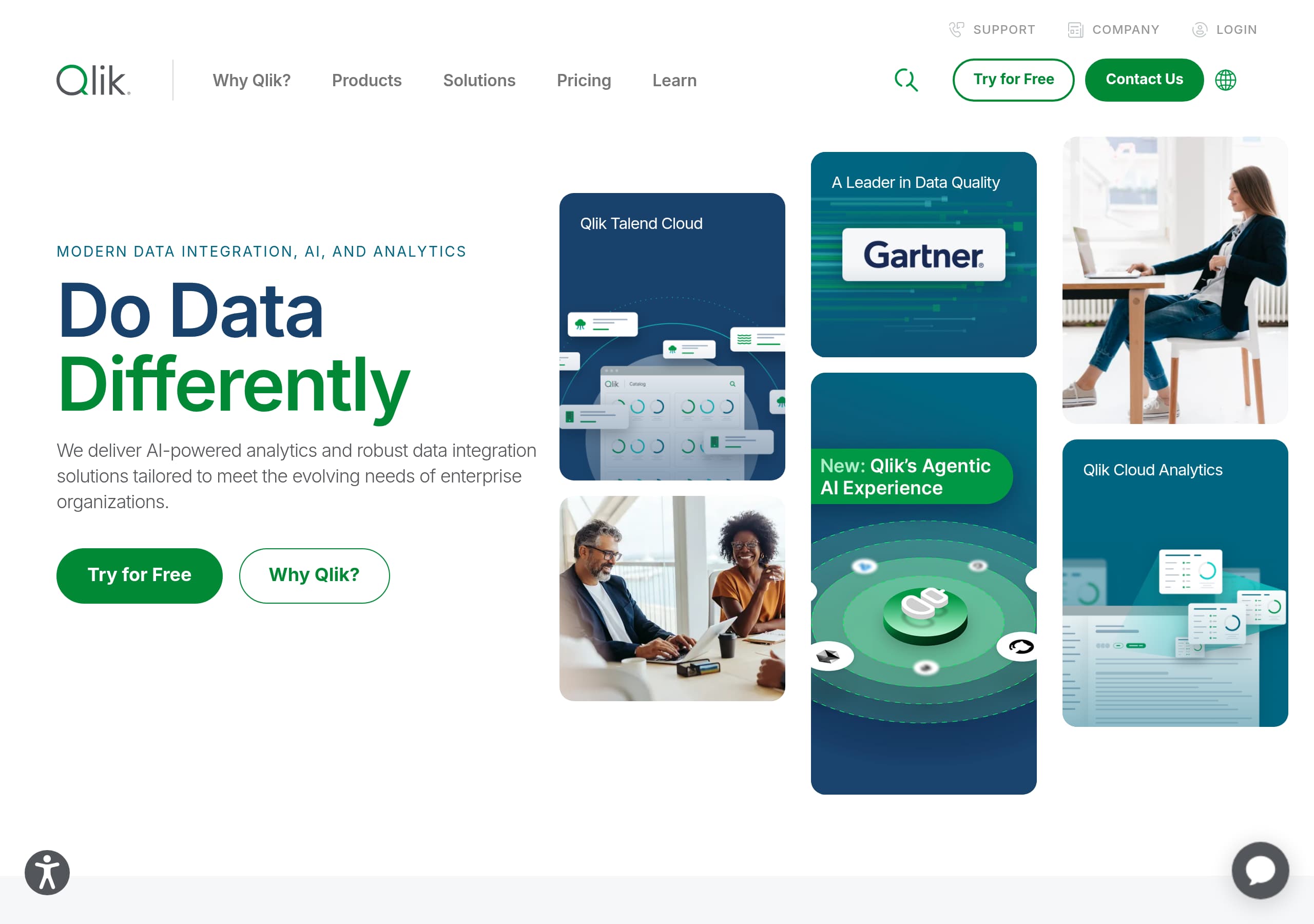 Qlik
QlikQlik’s homepage messaging is outcome-led and enterprise-oriented, using the phrase “Turn your data into real business outcomes” and repeatedly tying products to AI readiness, speed, and scale.
View breakdown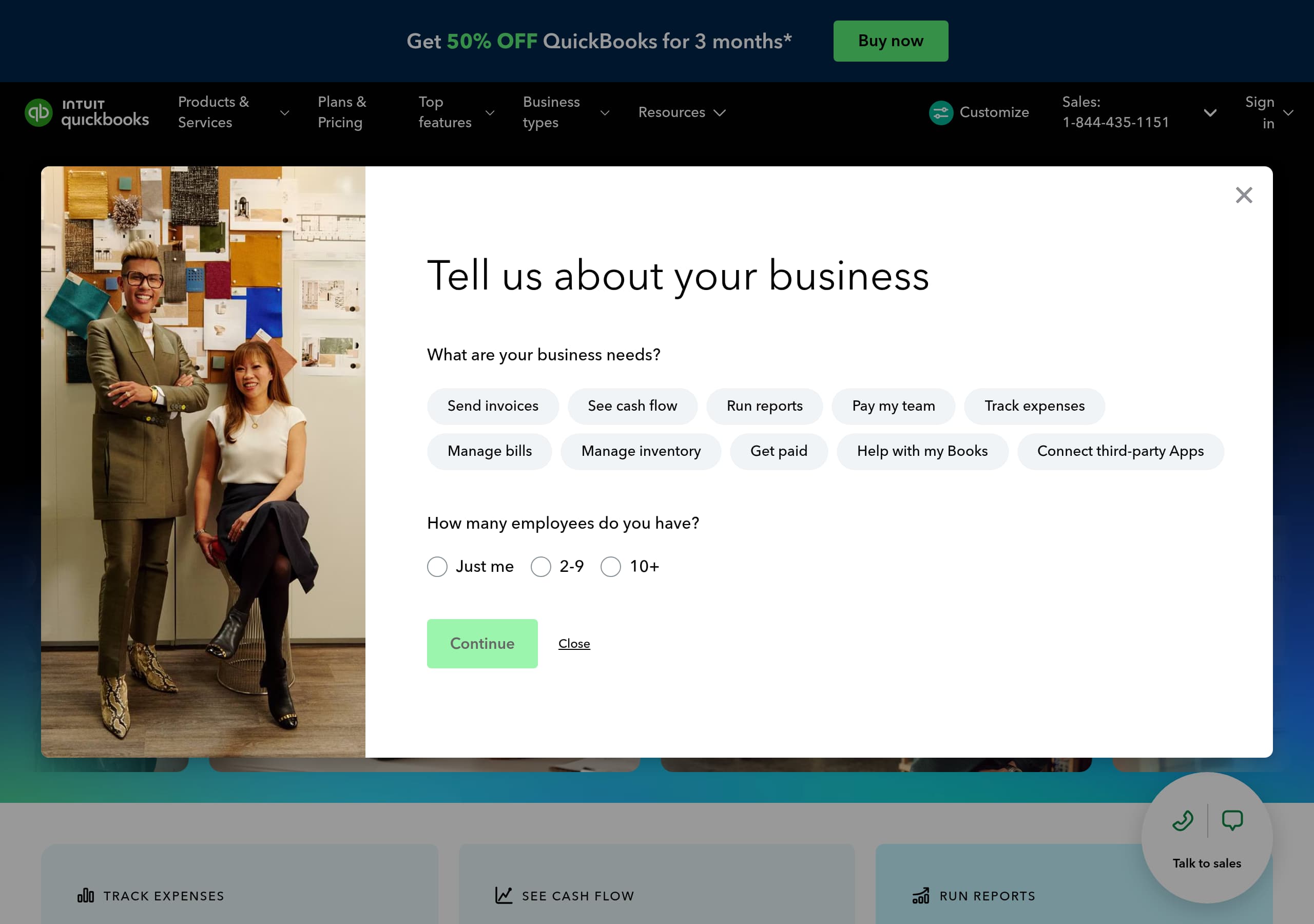 QuickBooks
QuickBooks (quickbooks.intuit.com) leads with an immediate promotional hook (50% off for 3 months) paired with persistent “Buy now” CTAs, which reduces decision friction for high-intent visitors.
View breakdown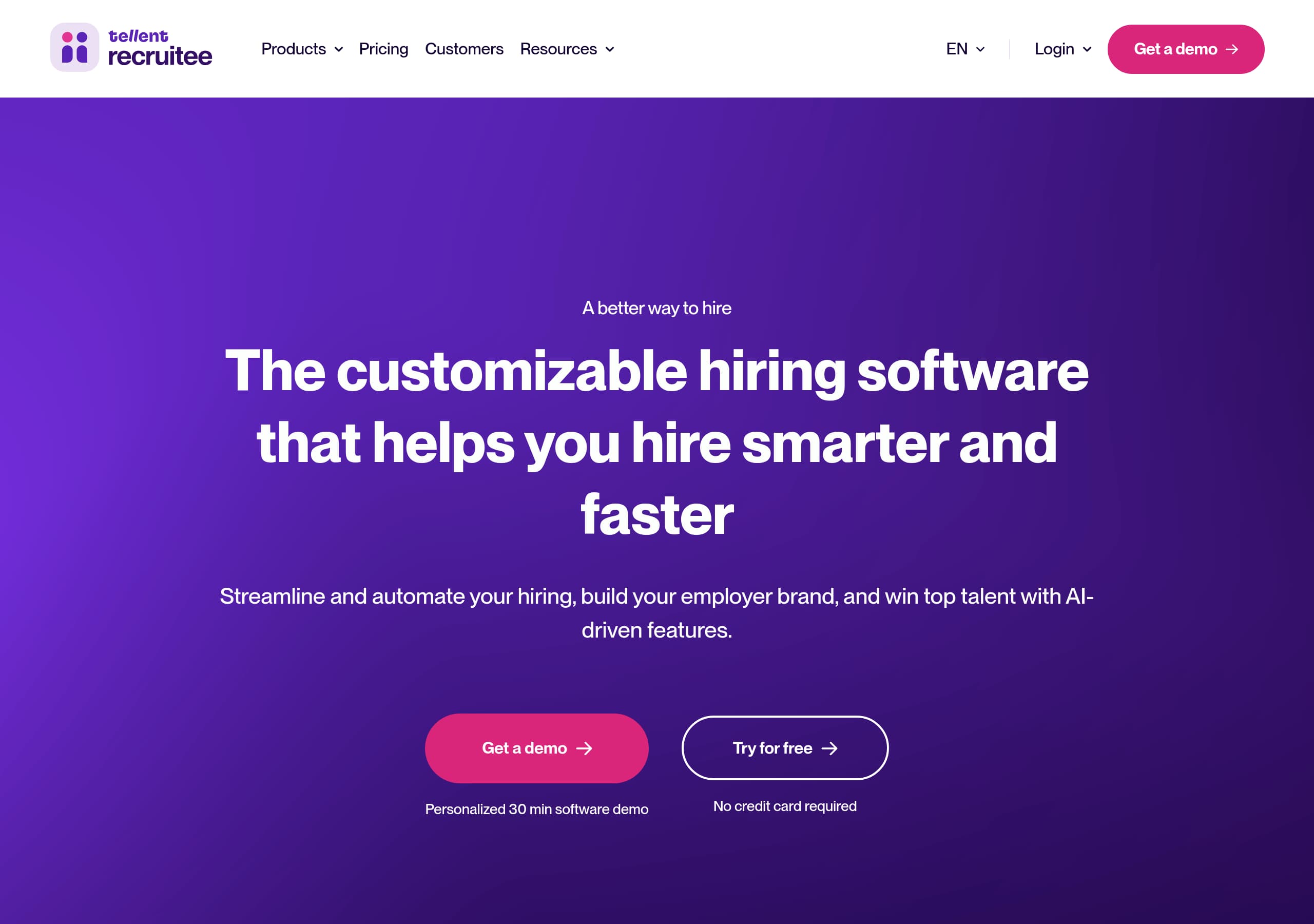 Recruitee
Recruitee’s homepage communicates the product category and outcome in one pass with “The customizable hiring software that helps you hire smarter and faster,” supported by dual CTAs that serve both high-intent buyers (Get a demo) and self-serve users
View breakdown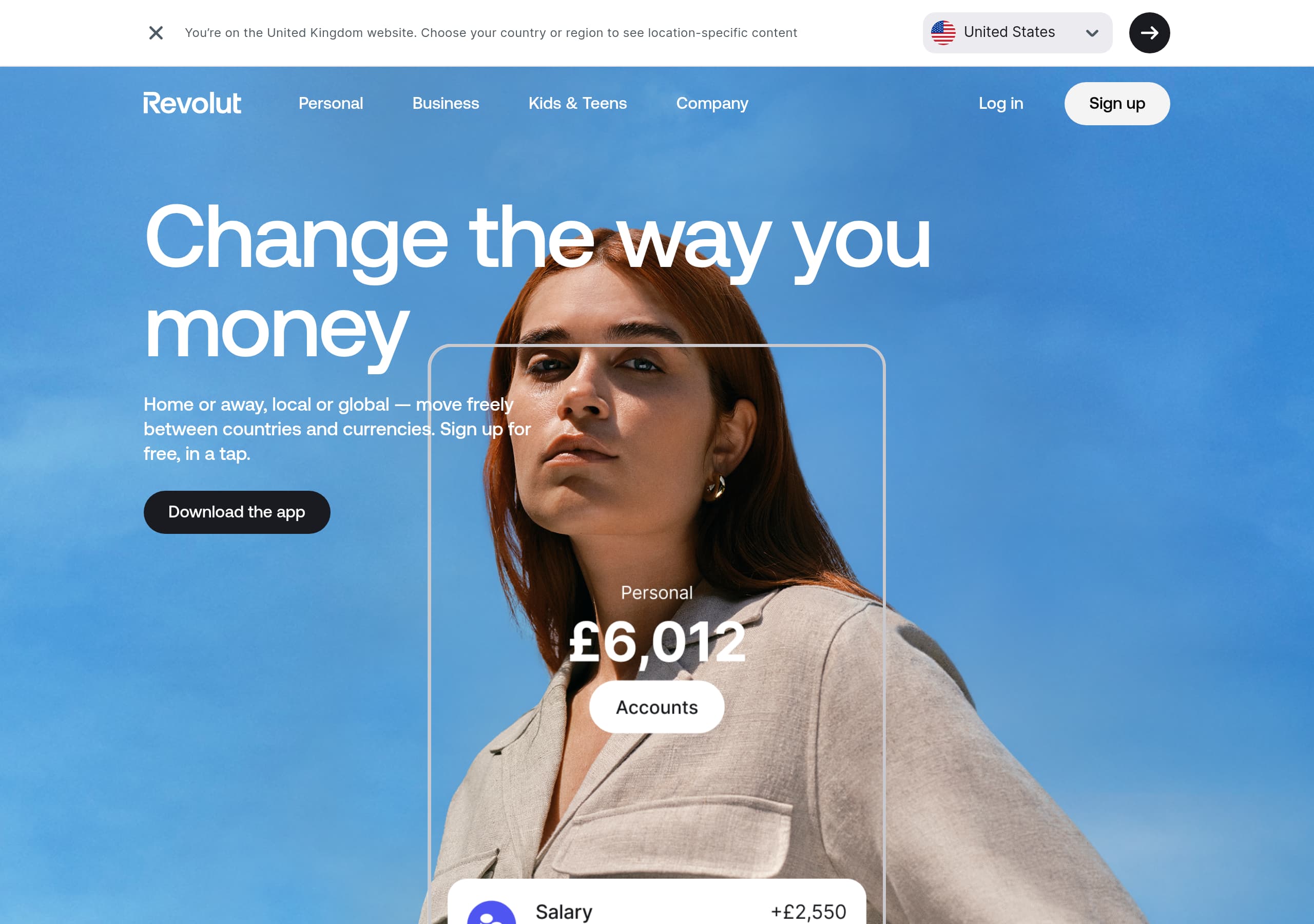 Revolut
Change the way you money
View breakdown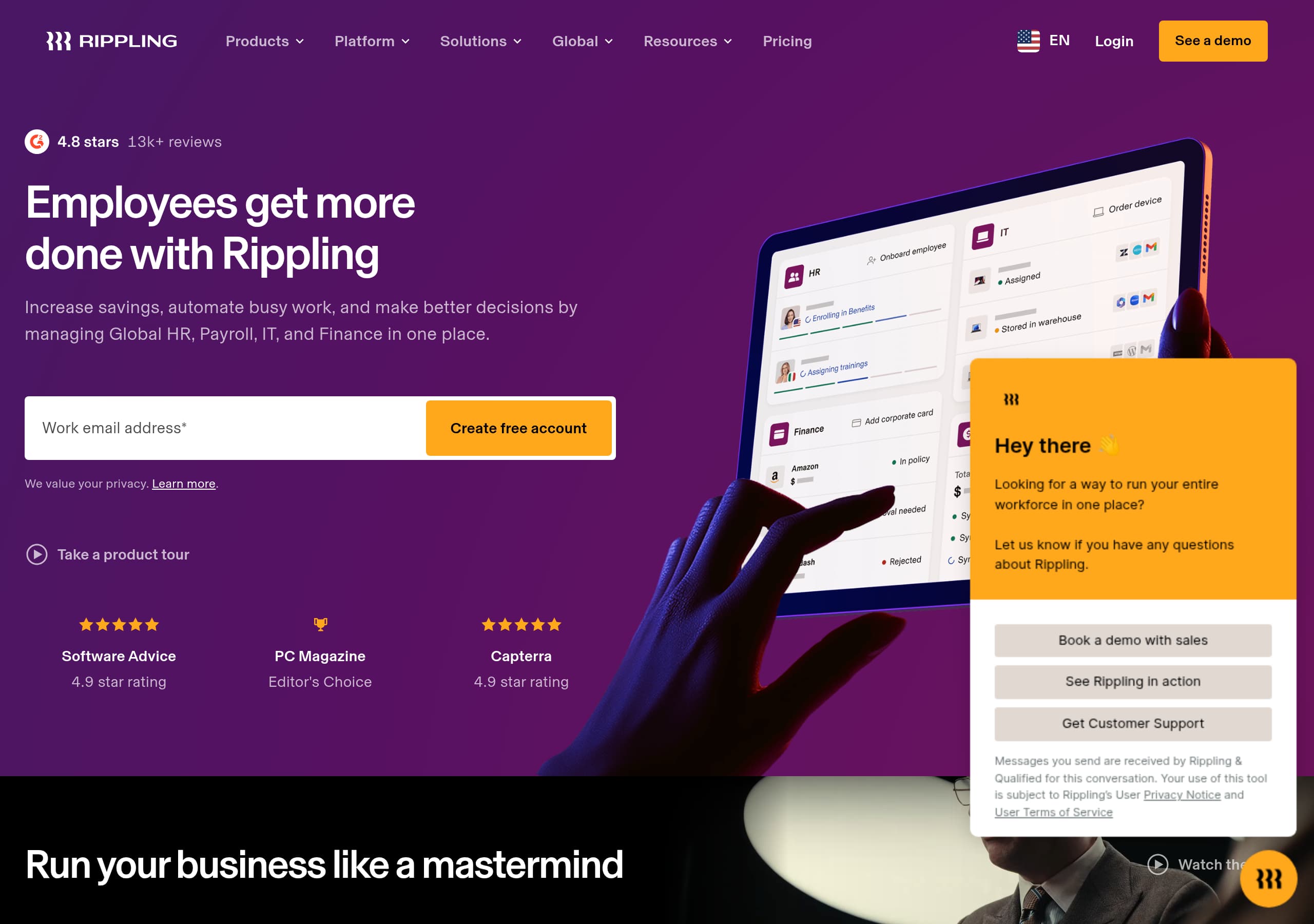 Rippling
Rippling’s homepage wins by framing the product as a single “workforce operating system,” then immediately proving it can unify HR, IT, Payroll, and Finance through shared data, permissions, and automation.
View breakdown- Sage
AI-powered software, for every stage of business
View breakdown 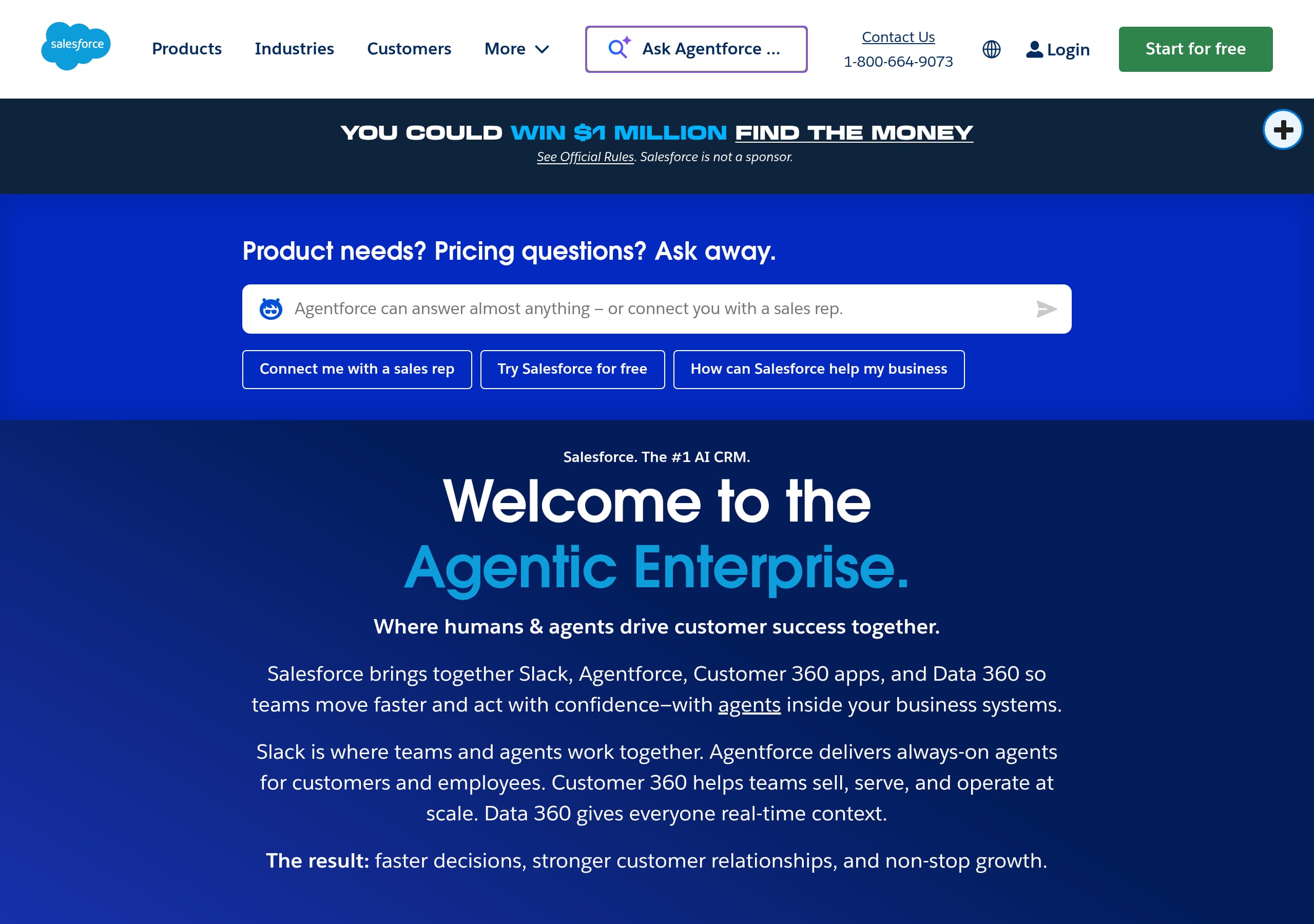 Salesforce
Elevated humans. 24/7 AI agents. Limitless customer success.
View breakdown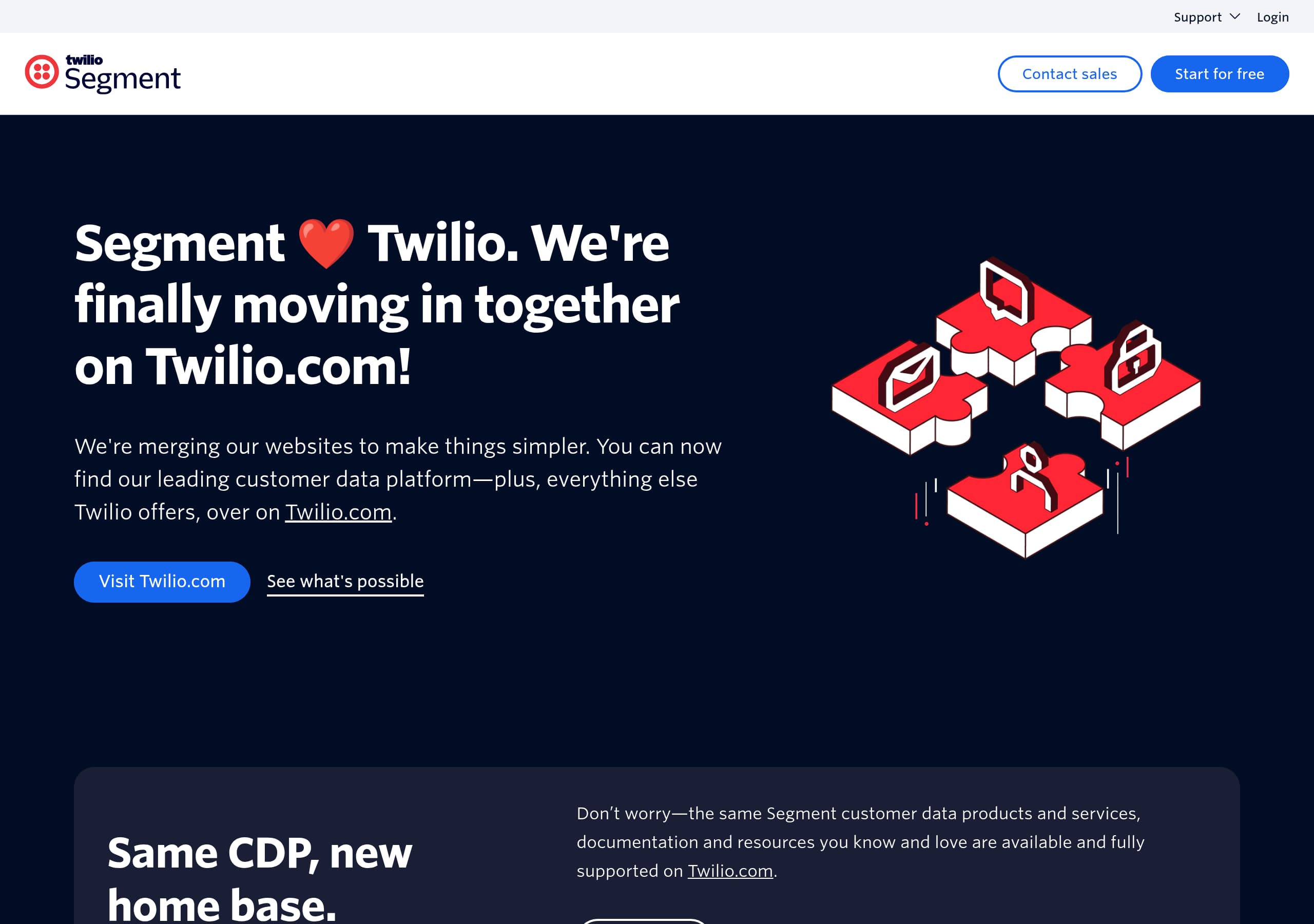 Segment
Segment’s homepage positions it within the broader Twilio “Customer Engagement Platform,” which increases enterprise credibility but slightly reduces immediate clarity for buyers who came specifically for a CDP.
View breakdown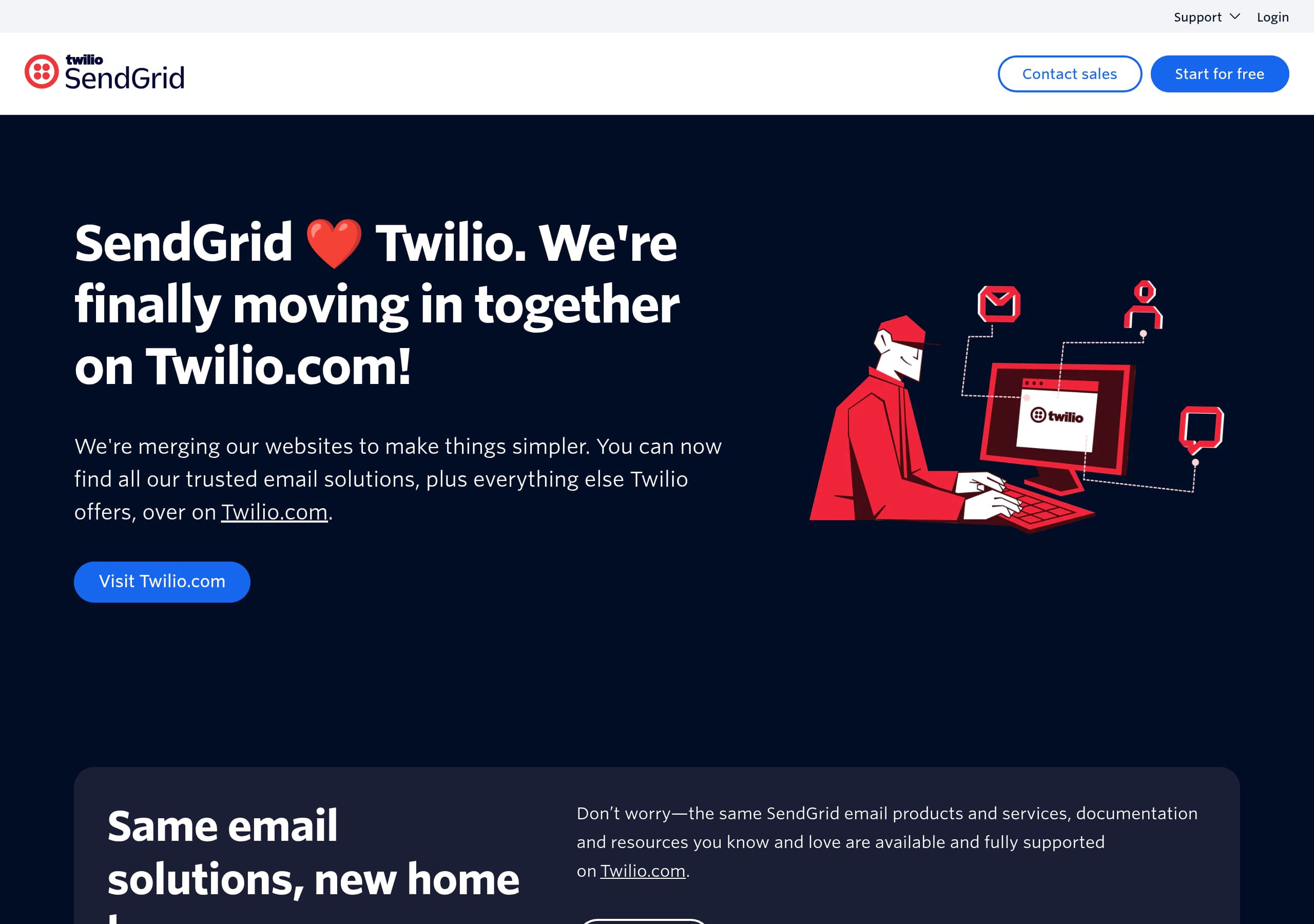 SendGrid
SendGrid (sendgrid.com) wins on clarity by anchoring the product inside Twilio’s larger “Customer Engagement Platform,” while still surfacing two primary jobs-to-be-done: Email API and Email Marketing Campaigns.
View breakdown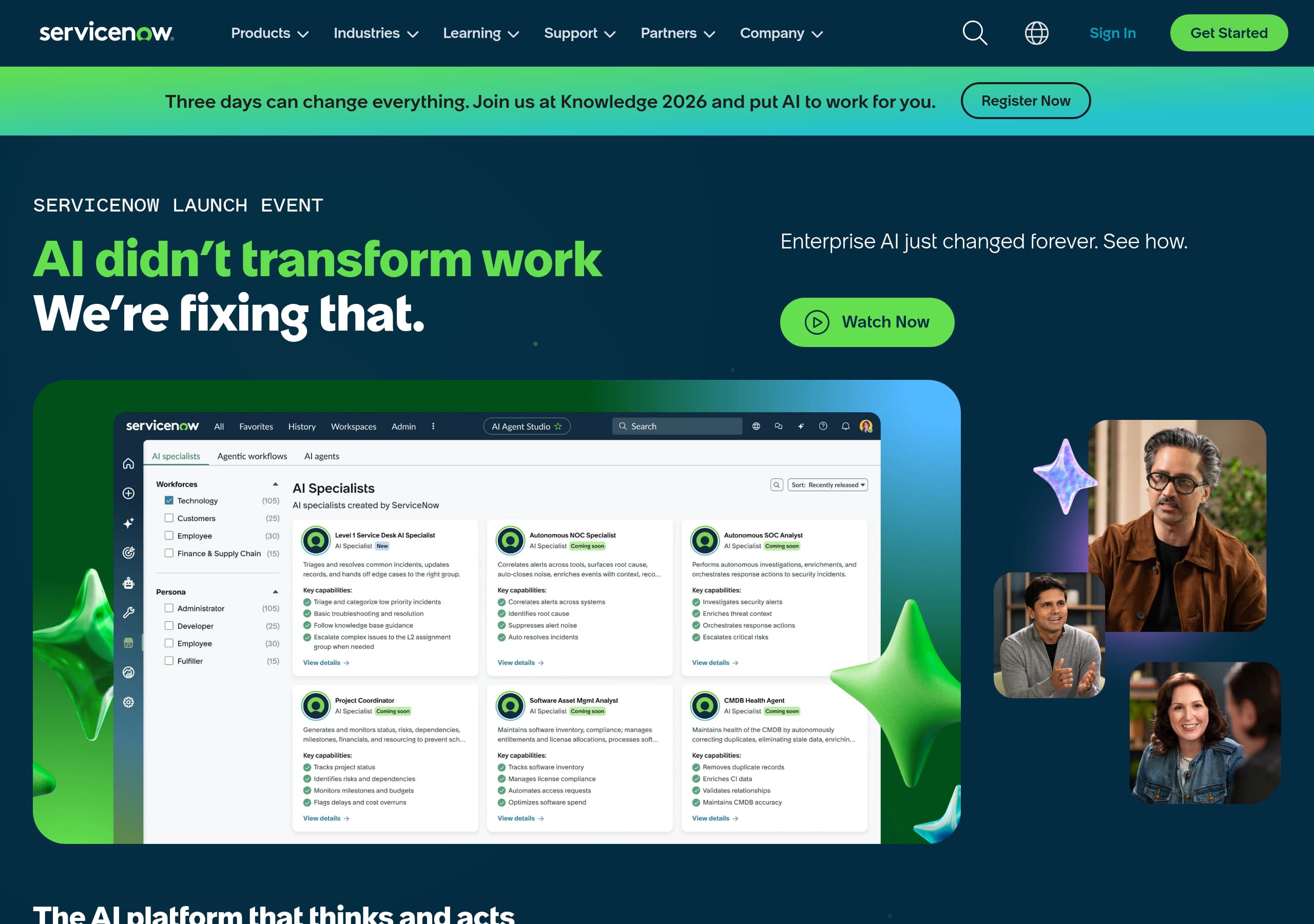 ServiceNow
ServiceNow’s homepage sells an enterprise transformation outcome (AI-driven workflows across the business) instead of a single feature, which matches how large buyers evaluate platforms.
View breakdown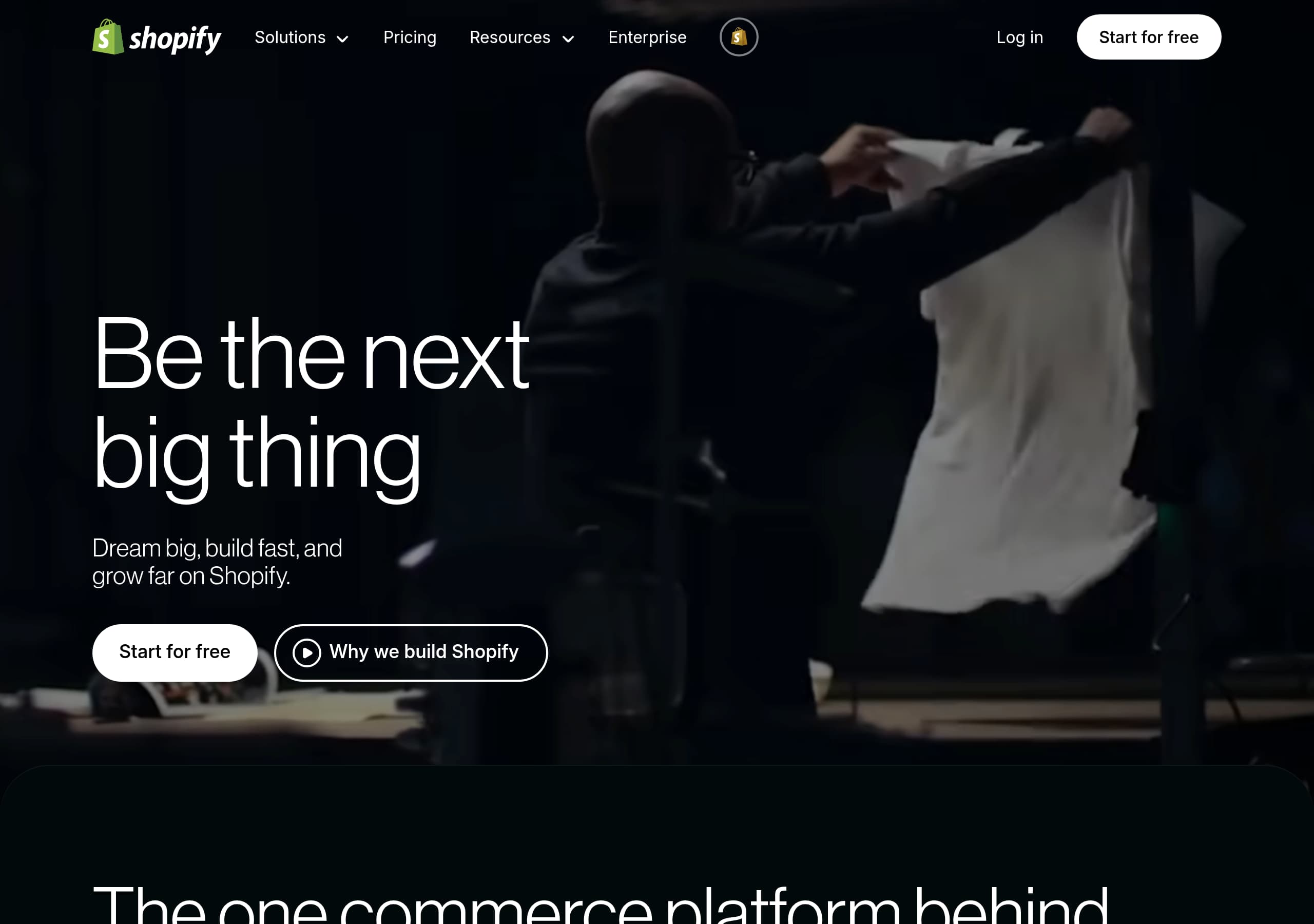 Shopify
Be the next big thing
View breakdown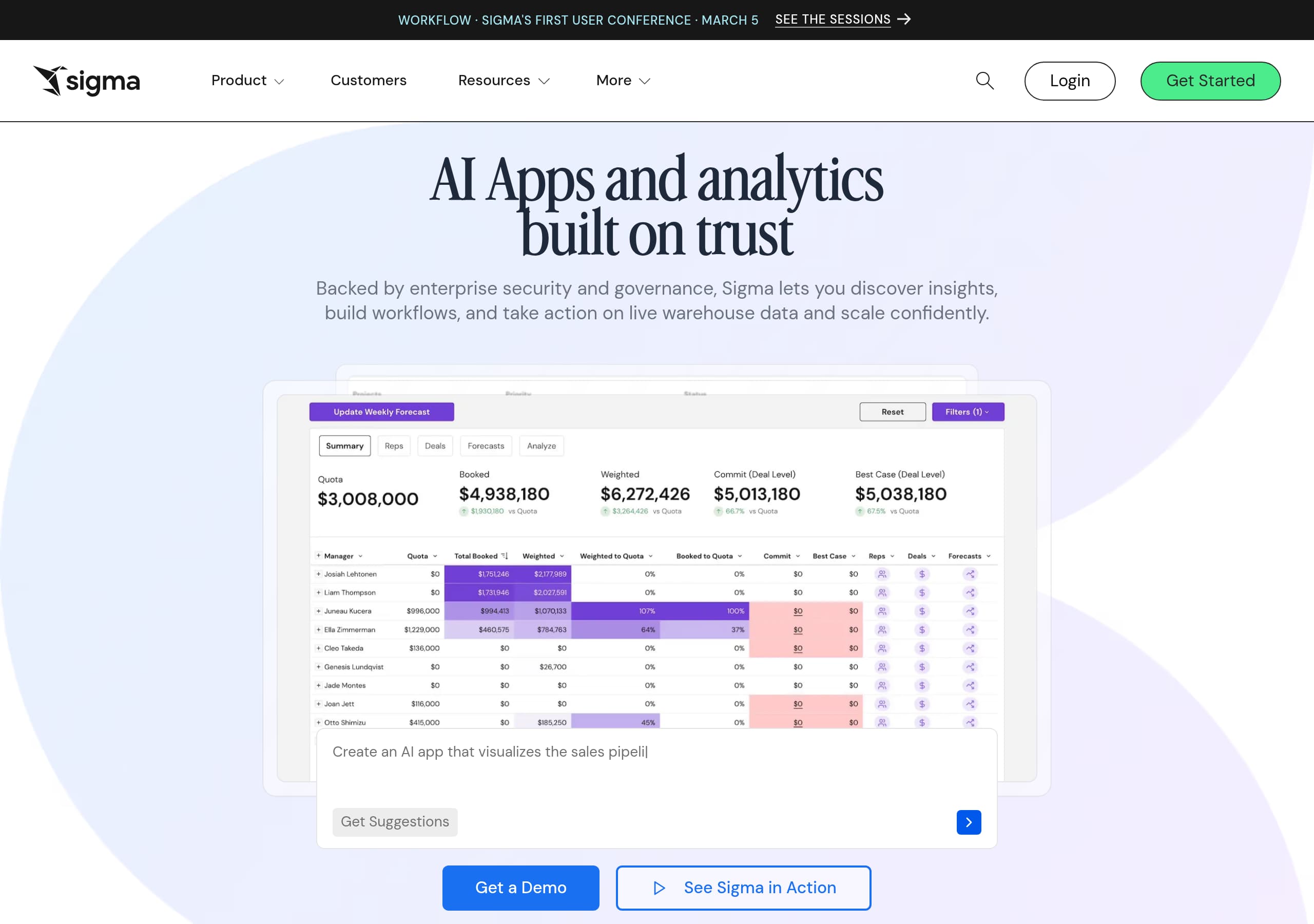 Sigma Computing
Sigma Computing’s homepage leads with a single, high-signal promise—“AI Apps and analytics built on trust”—then immediately supports it with warehouse-native architecture language and clear next steps like “Try Sigma Free” and “Get a Demo.”
View breakdown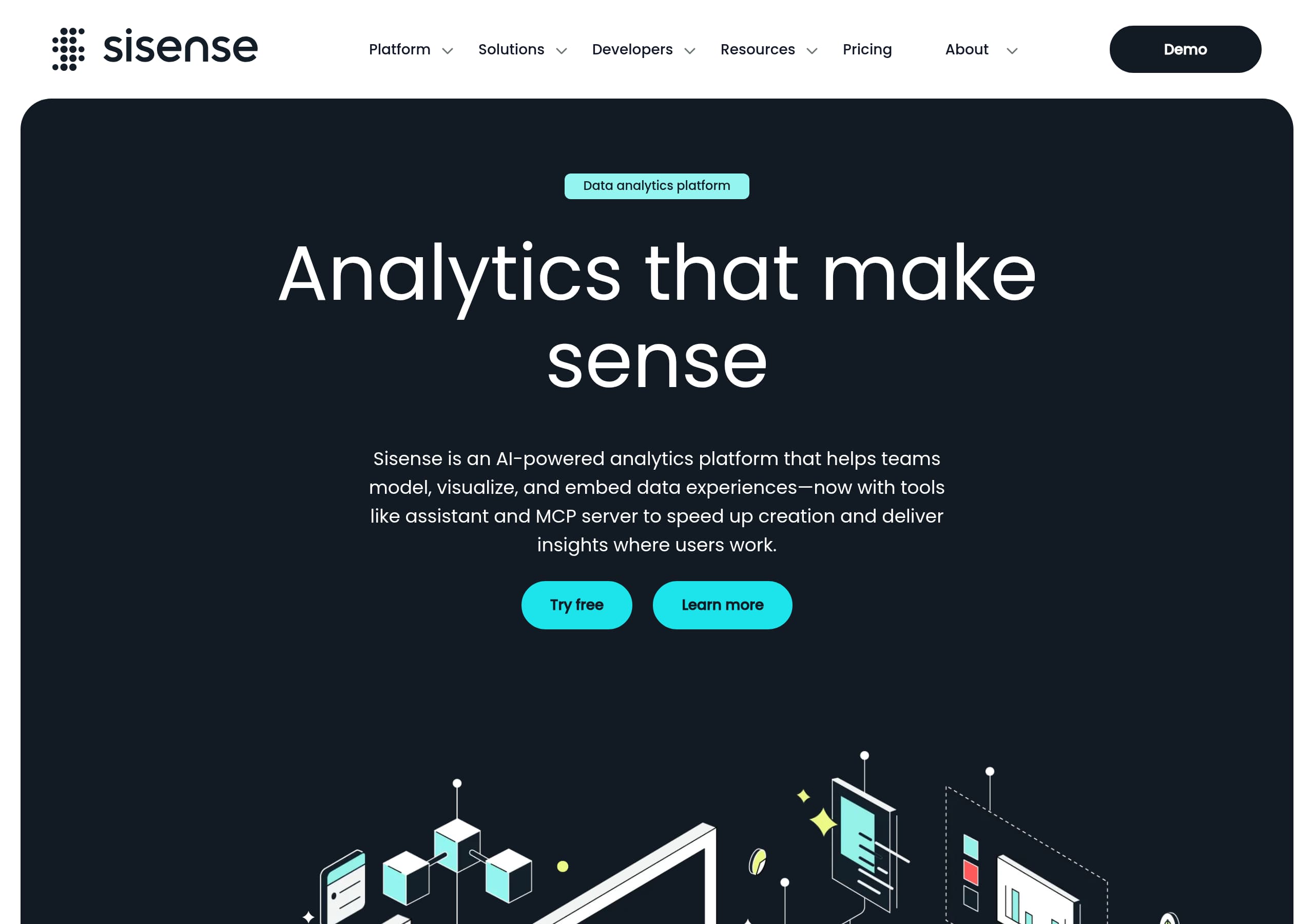 Sisense
Sisense’s homepage nails message-to-product alignment by pairing a plain-language promise, “Analytics that make sense,” with specific, modern differentiators like **AI-powered analytics**, **assistant**, and an **MCP server** to signal developer-read
View breakdown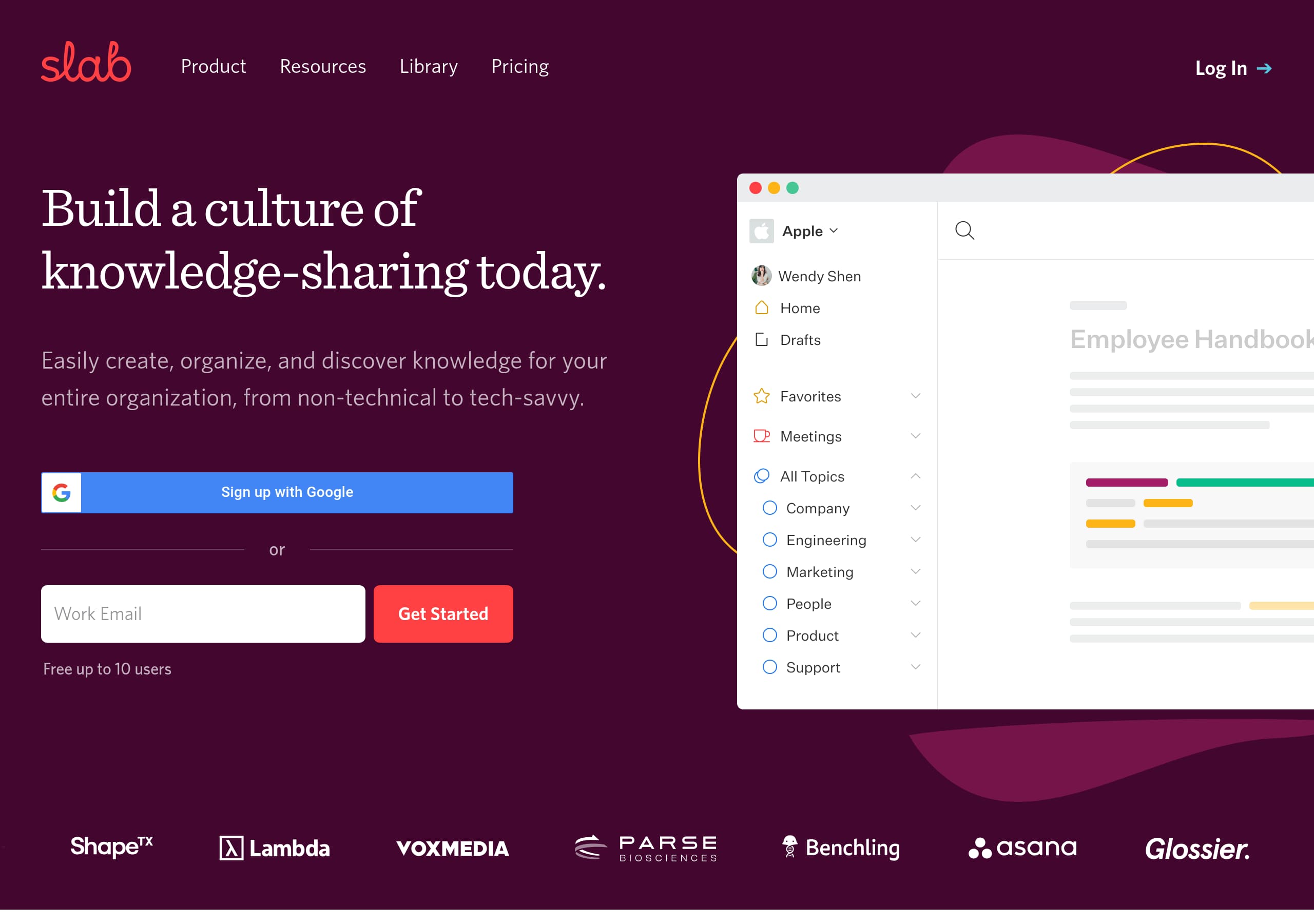 Slab
SlabSlab’s homepage communicates the outcome quickly with the headline “Build a culture of knowledge-sharing today,” then immediately clarifies scope with “knowledge base, pure and simple,” which reduces category confusion for buyers comparing Confluence
View breakdown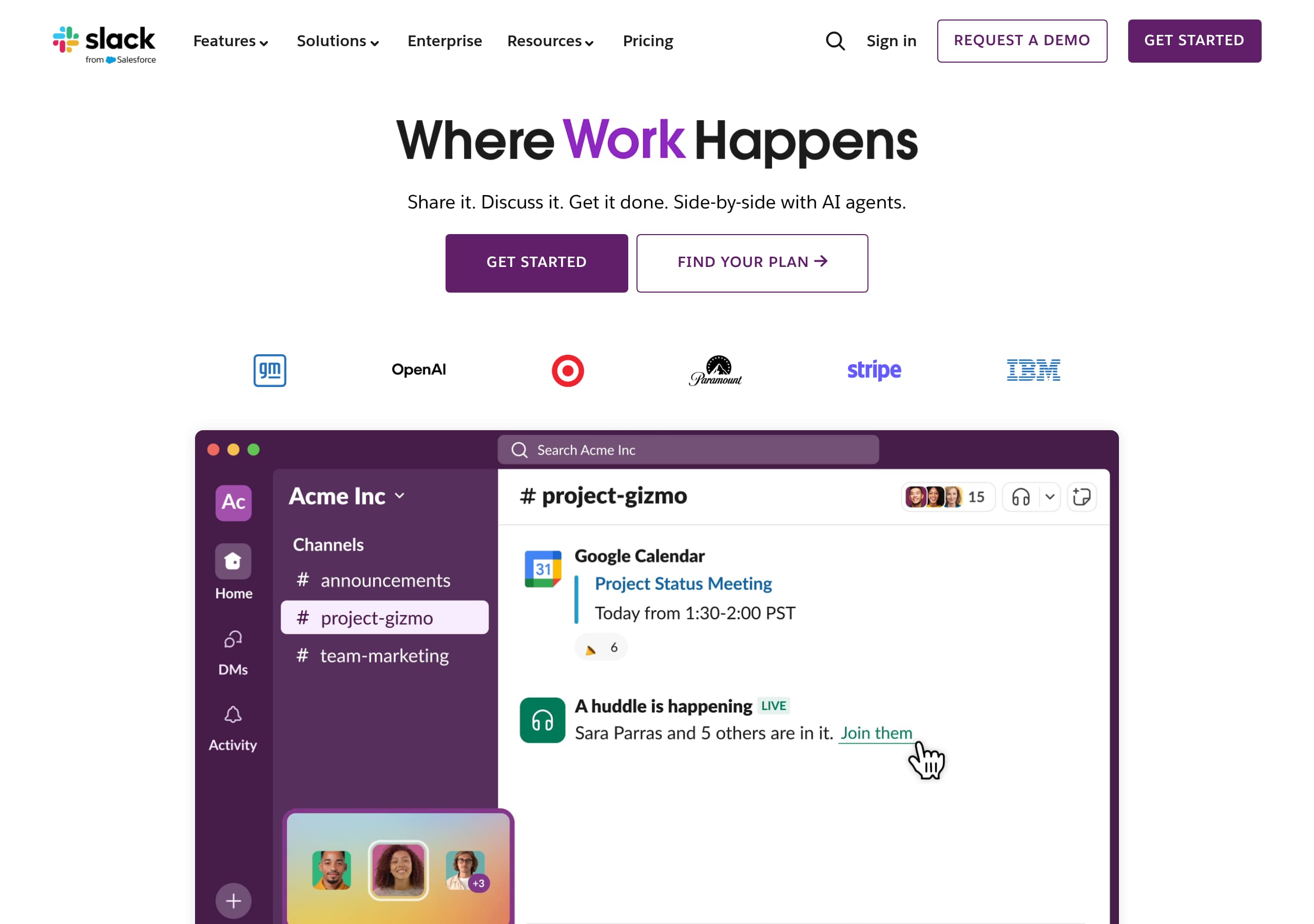 Slack
SlackSlack is where the future works
View breakdown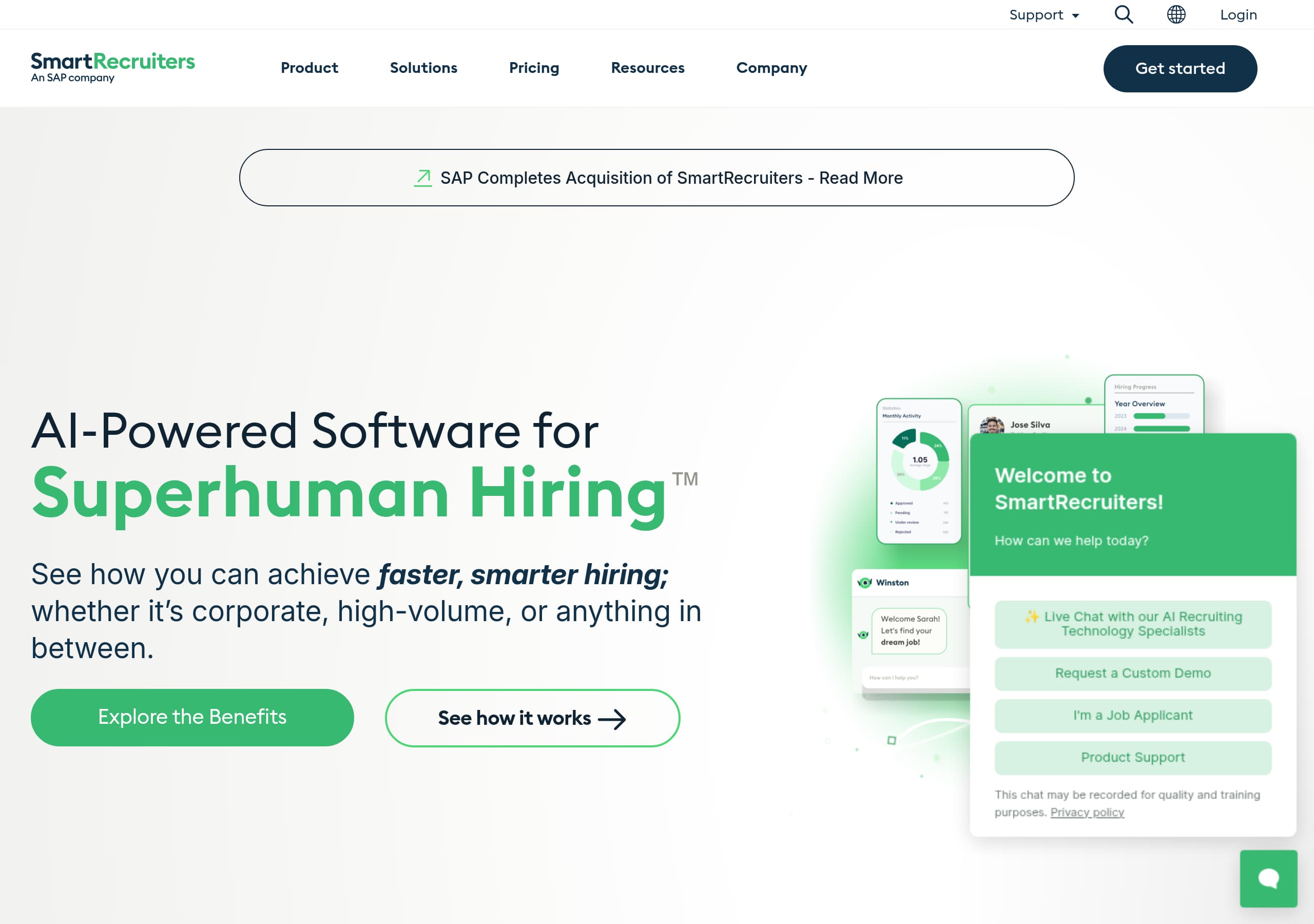 SmartRecruiters
SmartRecruiters makes its positioning explicit by pairing an end-to-end platform label, "SmartOS Platform," with an AI layer, "Winston Intelligence," so enterprise buyers can quickly map the product to their hiring workflow.
View breakdown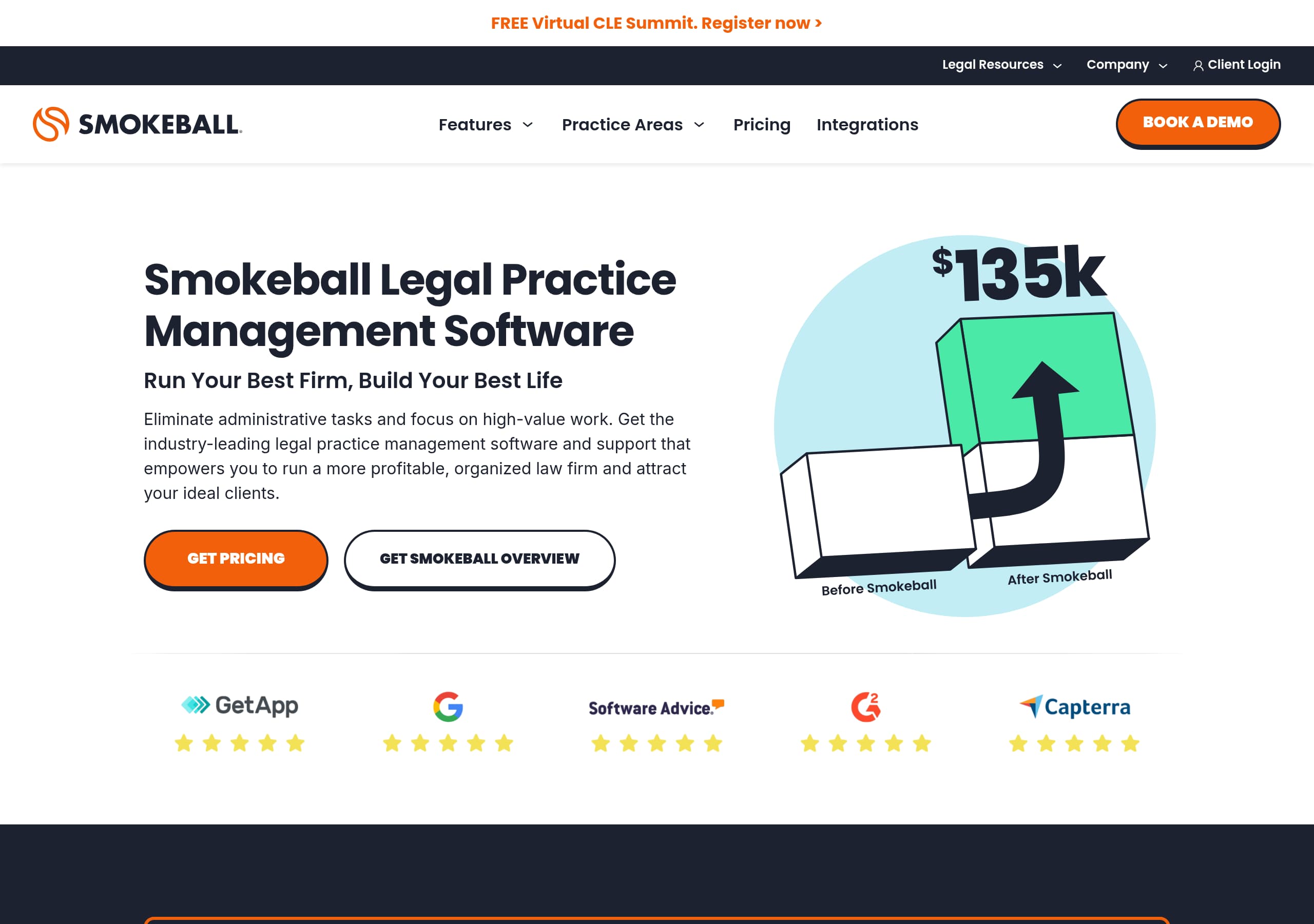 Smokeball
Smokeball’s homepage nails positioning by pairing an outcome-driven headline, “Run Your Best Firm, Build Your Best Life,” with concrete product proof like automatic time tracking, document automation, and billing in the hero and follow-on sections.
View breakdown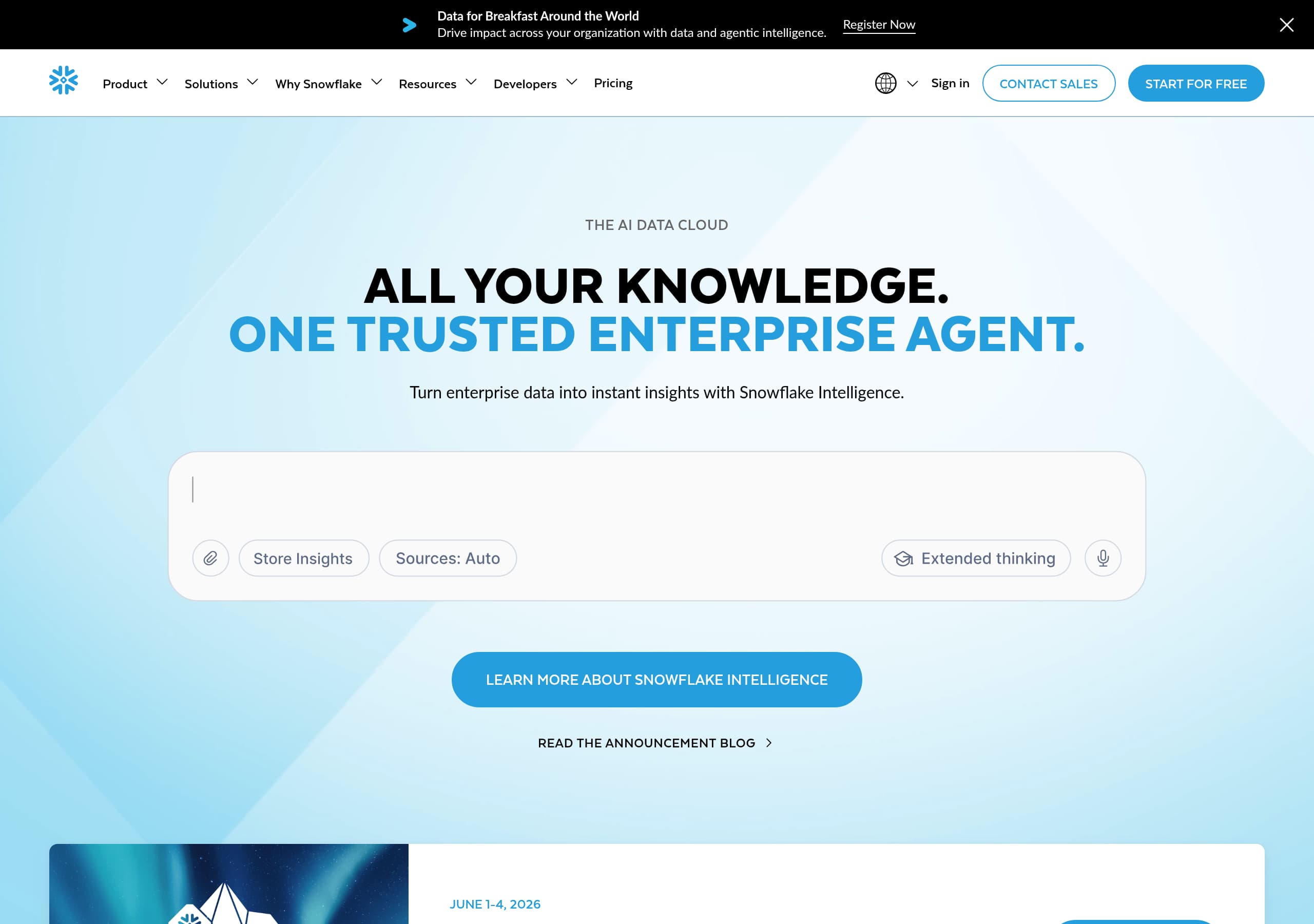 Snowflake
Snowflake AI Data Cloud’s homepage leads with an enterprise-grade umbrella message (“AI Data Cloud”) that unifies data warehousing, data sharing, and AI/ML under one brand, which reduces category confusion for large buyers comparing platforms.
View breakdown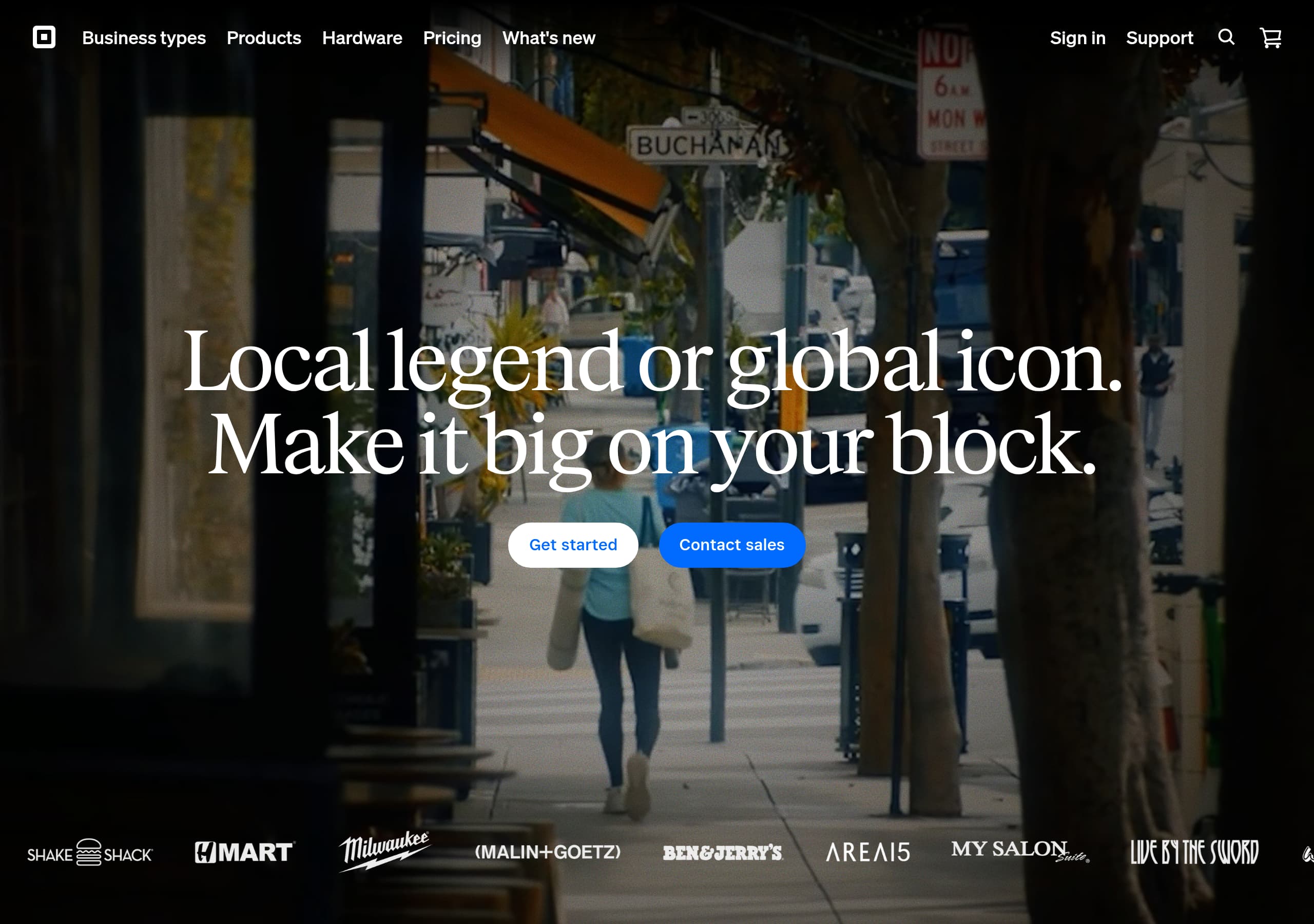 Square
Your complete business toolkit, starting at $0
View breakdown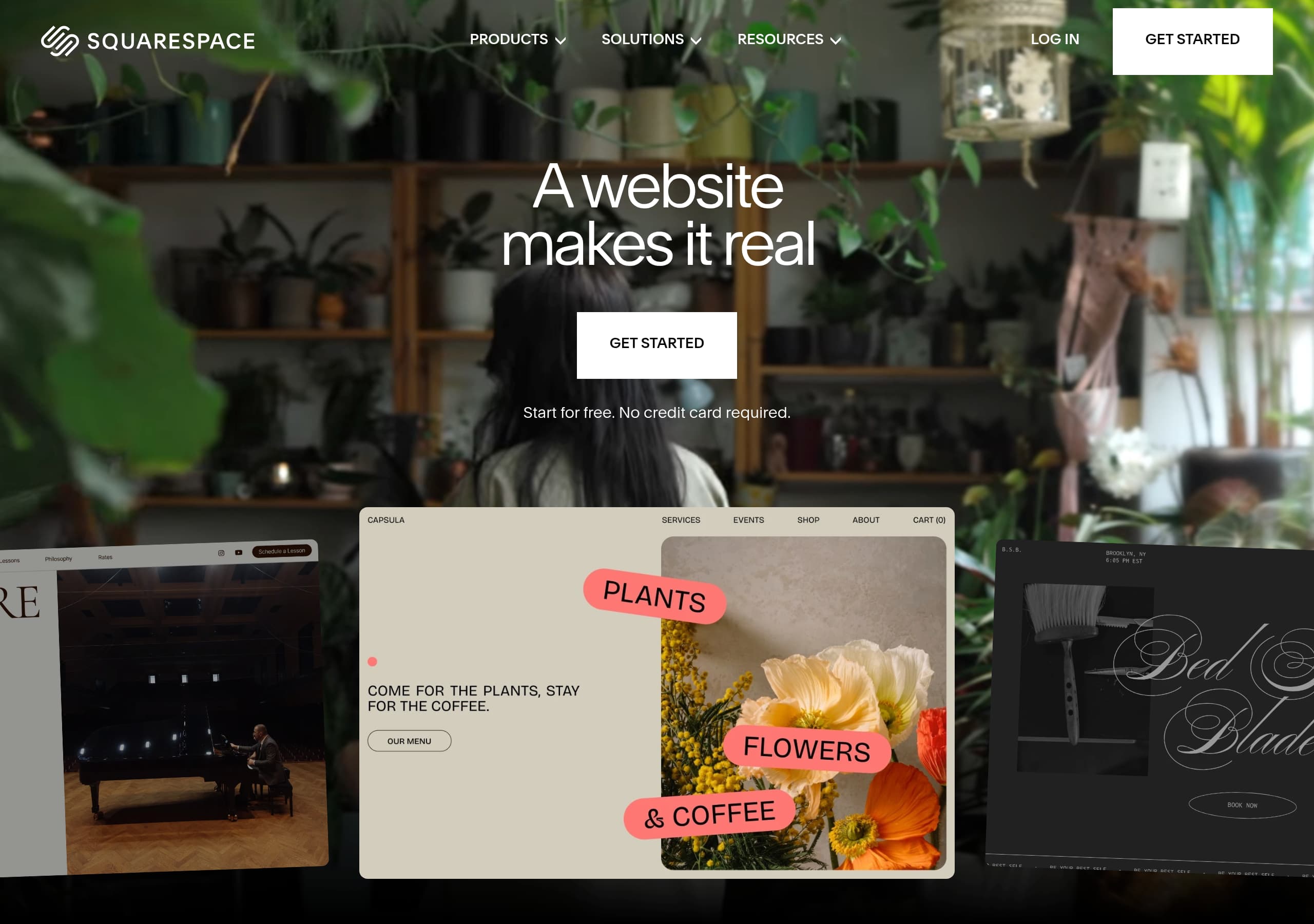 Squarespace
Squarespace’s homepage communicates a single, high-confidence promise (“A website makes it real”) and reinforces it with an immediate free-trial CTA and a “No credit card required” qualifier to reduce friction.
View breakdown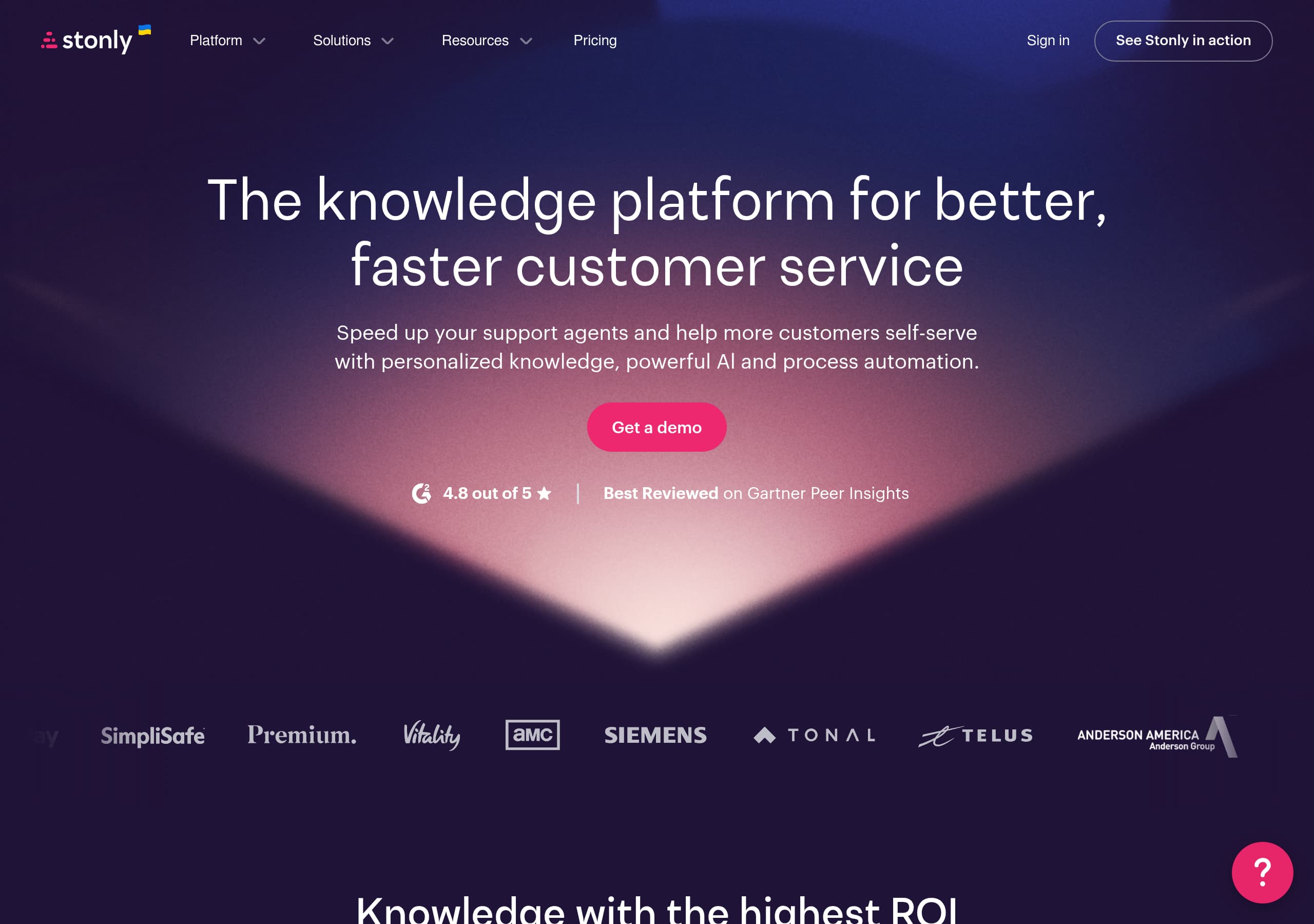 Stonly
Stonly’s homepage clarifies the product in one line, positioning it as a knowledge platform for customer service that combines **personalized knowledge**, **AI**, and **process automation**, then reinforces it with a single primary CTA, “Get a demo.”
View breakdown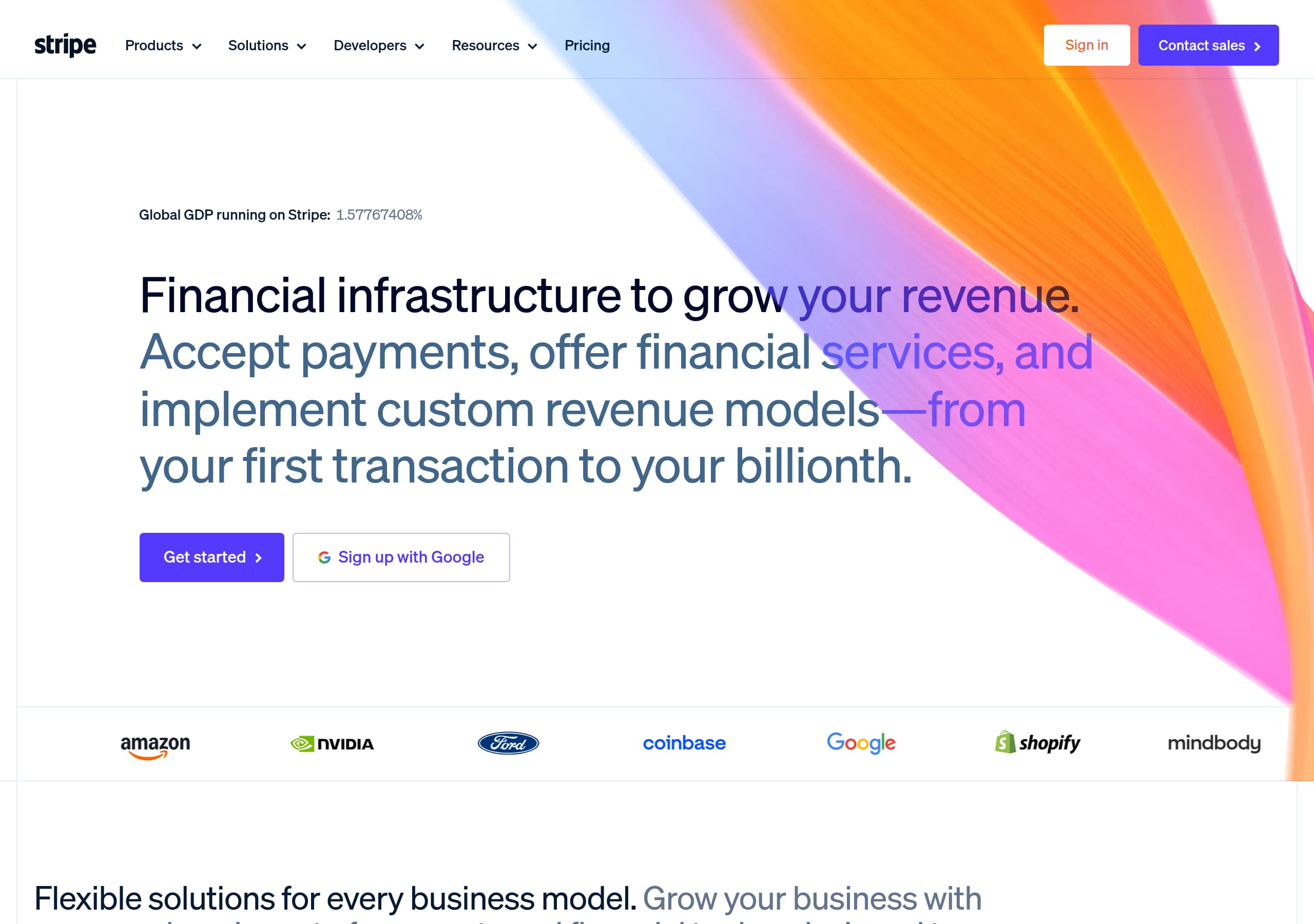 Stripe
Financial infrastructure for the internet
View breakdown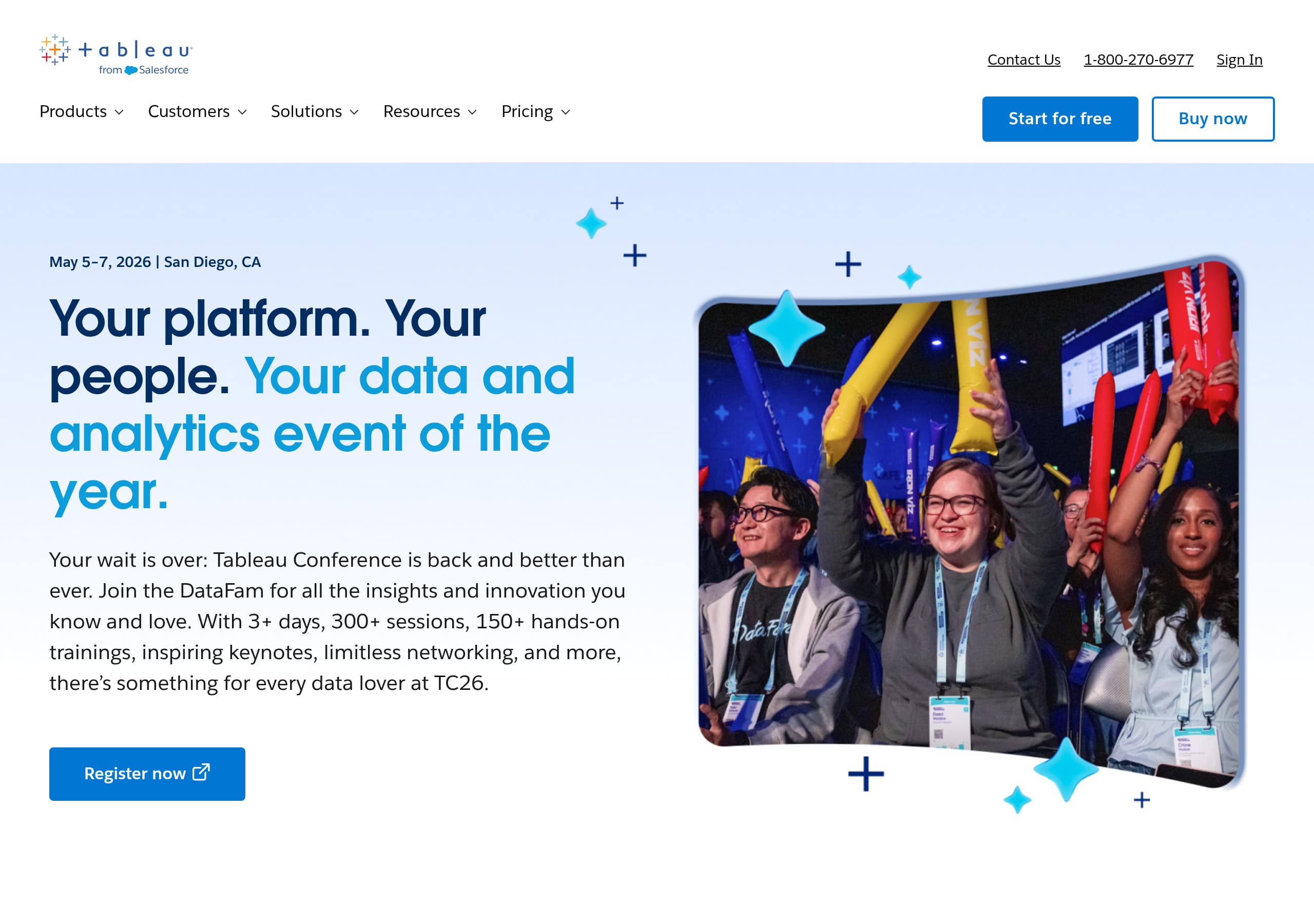 Tableau
Tableau’s homepage communicates a clear, executive-friendly promise about turning data into decisions, using a single primary path to explore the platform rather than overwhelming visitors with too many first-step options.
View breakdown


About our website breakdowns
We analyse each SaaS homepage as a full website teardown. That means we look at the hero, pricing, signup flow, trust elements, and tech stack in turn. Every breakdown comes with key takeaways, section-by-section notes, and the tools we detect. We also score each site on clarity, conversion, and trust so you can see what works and learn from the best-performing SaaS sites.